
Cabinet to weigh emergency powers over fuel prices tonight


The Cabinet is set to consider invoking Section 162 of the Constitution and a 1973 emergency decree to tackle fuel pricing after the state found refiners had earned excess profits during the war-driven market shock.
The Cabinet is set to consider invoking Section 162 of the Constitution and the 1973 emergency decree on fuel shortages at a special meeting tonight (April 6), in what would mark the government’s most decisive move yet to intervene in Thailand’s fuel pricing crisis.
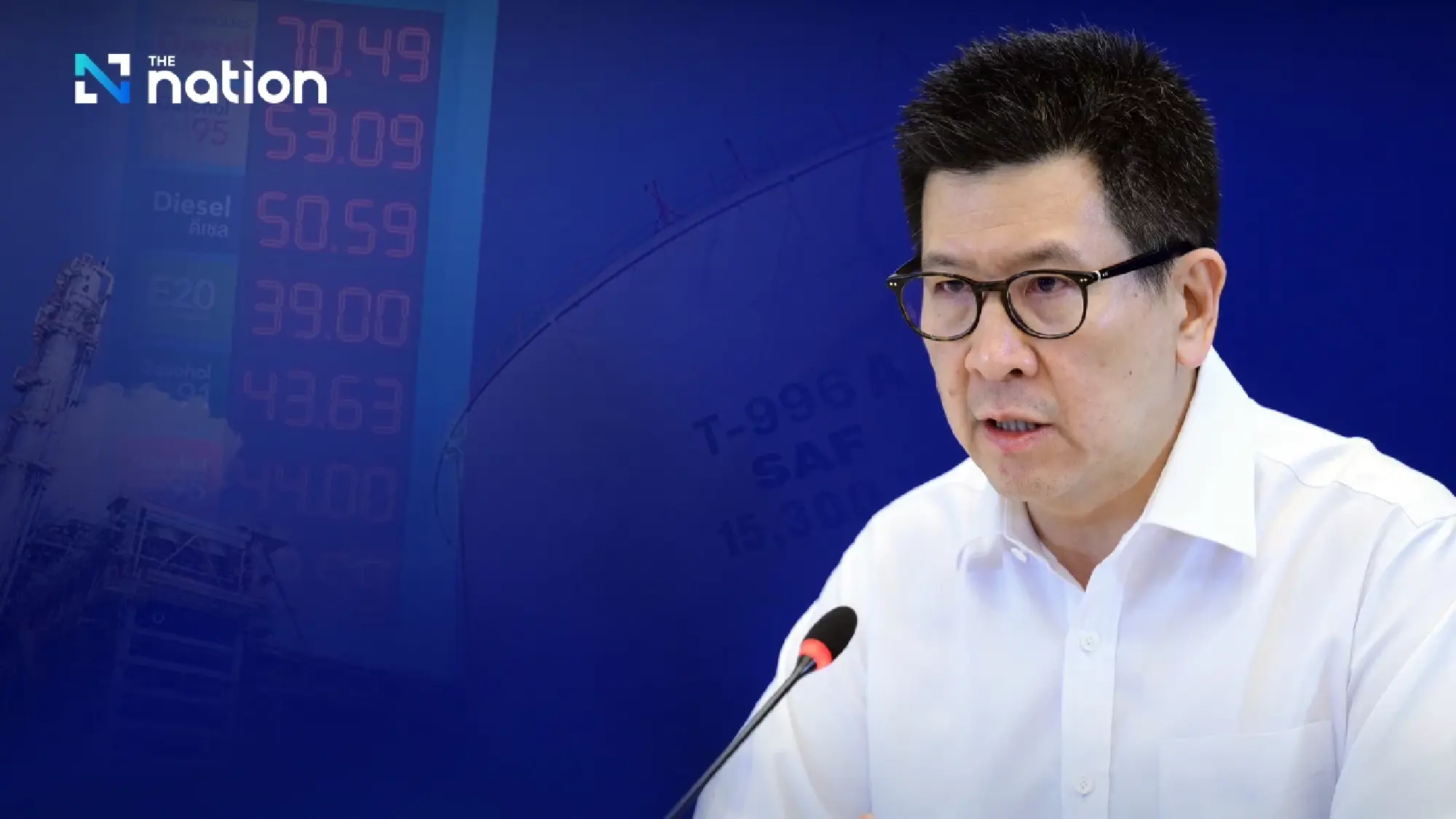
Ekniti Nitithanprapas, Deputy Prime Minister and Finance Minister, said the Committee on the Appropriateness of Fuel Price Cost Structure had met continuously for three days through the night of April 5 to examine refinery accounts, actual costs and real selling prices. He said the process was not a negotiation with refiners, but a state-led effort to force open the books and calculate excess profits using the government’s own formula.
The conclusions will be submitted to the special Cabinet meeting on Monday night. Ekniti said this would be the first time the government relies on Section 162, a constitutional provision allowing urgent action in an emergency without waiting for a policy statement to Parliament, so that assistance can be delivered immediately.

Emergency powers eyed for immediate action
The proposed intervention centres on the Emergency Decree on the Correction and Prevention of Fuel Shortages, 1973, which would allow the Prime Minister to assign the Energy Policy Administration Committee to determine future prices and refining margins more directly.
Ekniti said the government’s response would be split into two phases. For March, because the law cannot be applied retroactively, the Energy Ministry will negotiate with refiners to seek cooperation in redirecting excess profits to help reduce the burden on the public, similar to the approach used during the Russia-Ukraine war.
From April onwards, however, the government plans to use the 1973 decree as the main legal mechanism for faster and firmer intervention.

State rejects “fictional” refining margin figures
Ekniti also pushed back against reports that refining margins had surged to 14 to 17 baht per litre, calling them merely reference figures that did not reflect actual costs or present market conditions.
He said the committee internally referred to them as “fictional figures”, and would propose clearer public reporting to prevent confusion.
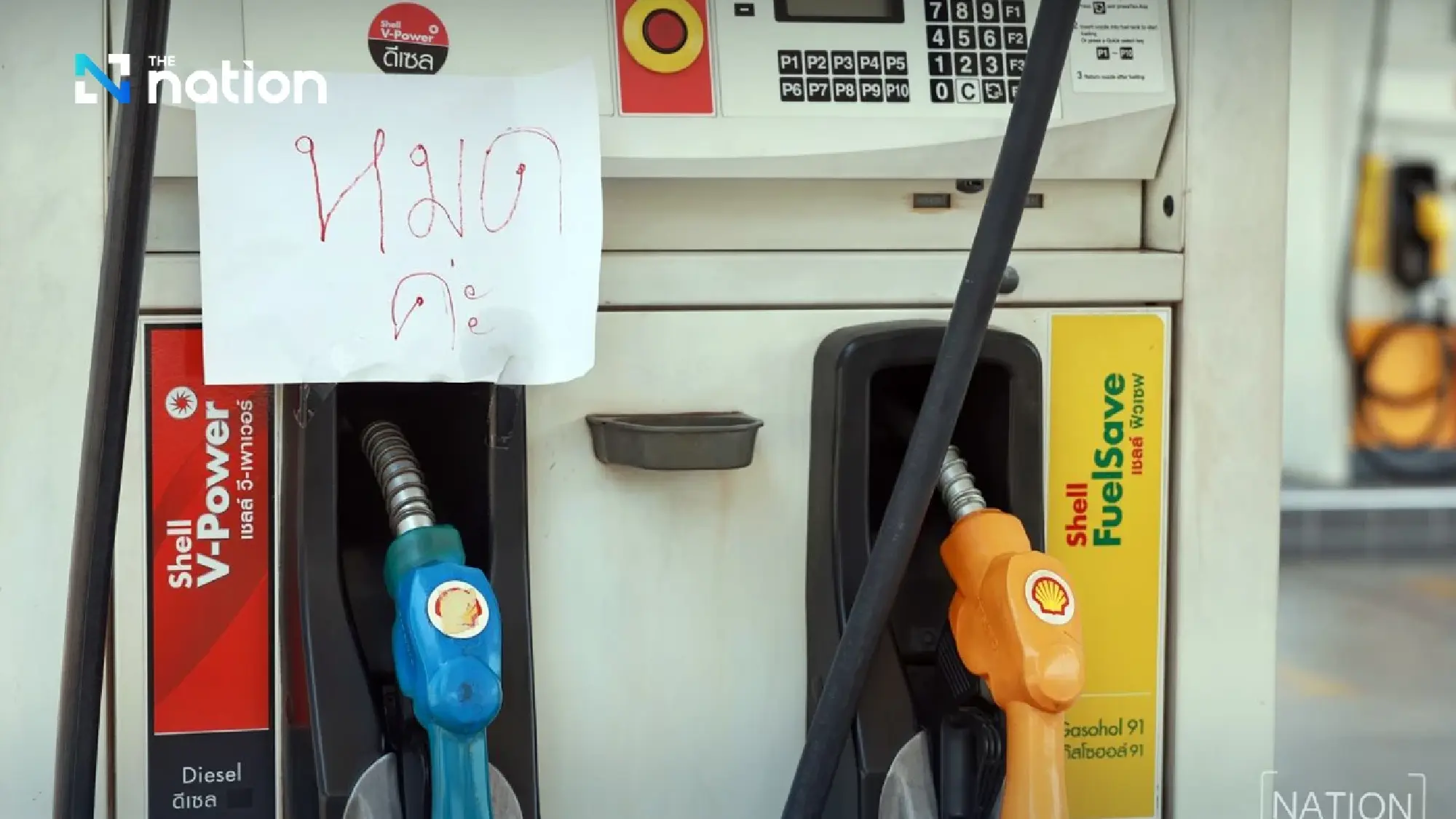
After examining detailed refinery cost accounts, the committee found that the war had distorted the pricing structure by creating a war risk premium. Oil had effectively become scarcer, while Thailand’s reliance on Singapore benchmark prices meant refined fuel prices had risen much faster than crude prices.
As a result, Ekniti said, refiners had in fact earned real excess profits from March into April because selling prices had risen above costs. Even so, he stressed that actual refining margins were not as high as the 14–17 baht reported.
Two-phase plan targets excess profits and relief
The immediate focus is on using negotiations and emergency powers to ease pressure on consumers.
Energy Minister Ekkanat Promphan is due to convene a meeting on April 7 to consider using actual costs, actual selling prices and historical average profits as the basis for future supervision.
Ekniti said future Energy Ministry announcements would have to separate normal refining margins from the war risk premium, instead of combining them into a single figure. That, he said, would make the numbers more realistic and reduce public alarm.

No fixed cap yet on refinery margins
The Energy Ministry still considers the appropriate five-year average refining margin to be 2.45 baht per litre, but Ekniti said the government could not yet impose a fixed ceiling because the six refineries have significantly different cost structures.
He cited the case of one refinery facing especially high risk costs because imported oil was stranded in the Strait of Hormuz. Imposing a flat cap in such a case could leave that refinery operating at a loss, potentially discouraging imports and worsening the risk of fuel shortages.
He also ruled out using a windfall tax, saying the Finance Ministry had concluded that such a tool was better suited to permanent gains rather than volatile and fast-moving oil market fluctuations.
Aid for vulnerable groups to follow
Ekniti said a further Cabinet meeting is planned for April 11, after the government has delivered its policy statement to Parliament, to consider measures aimed directly at the fallout from higher oil prices.
The assistance will focus first on vulnerable groups, transport operators, farmers and fishermen.
He also confirmed that the Khon La Khrueng Plus co-payment scheme and additional support through state welfare cards would go ahead, though not on April 11. Those measures, he said, are being held back for use later as part of a broader package to support economic recovery and cushion the wider cost-of-living impact as higher energy prices feed through into goods prices and the broader economy.
