
Four agencies to review inflation target before Songkran
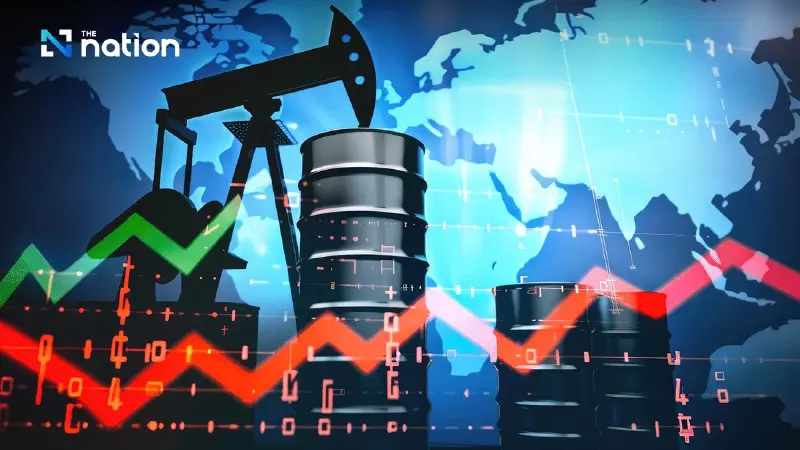


Thailand’s key economic agencies are set to review the inflation-target framework before Songkran as war-driven price pressures cloud GDP prospects and raise concern over prolonged economic fallout.
Thailand’s four main economic agencies are set to review the country’s inflation-targeting framework before Songkran, as war-driven price pressures and mounting uncertainty force a fresh reassessment of growth, inflation and fiscal planning.
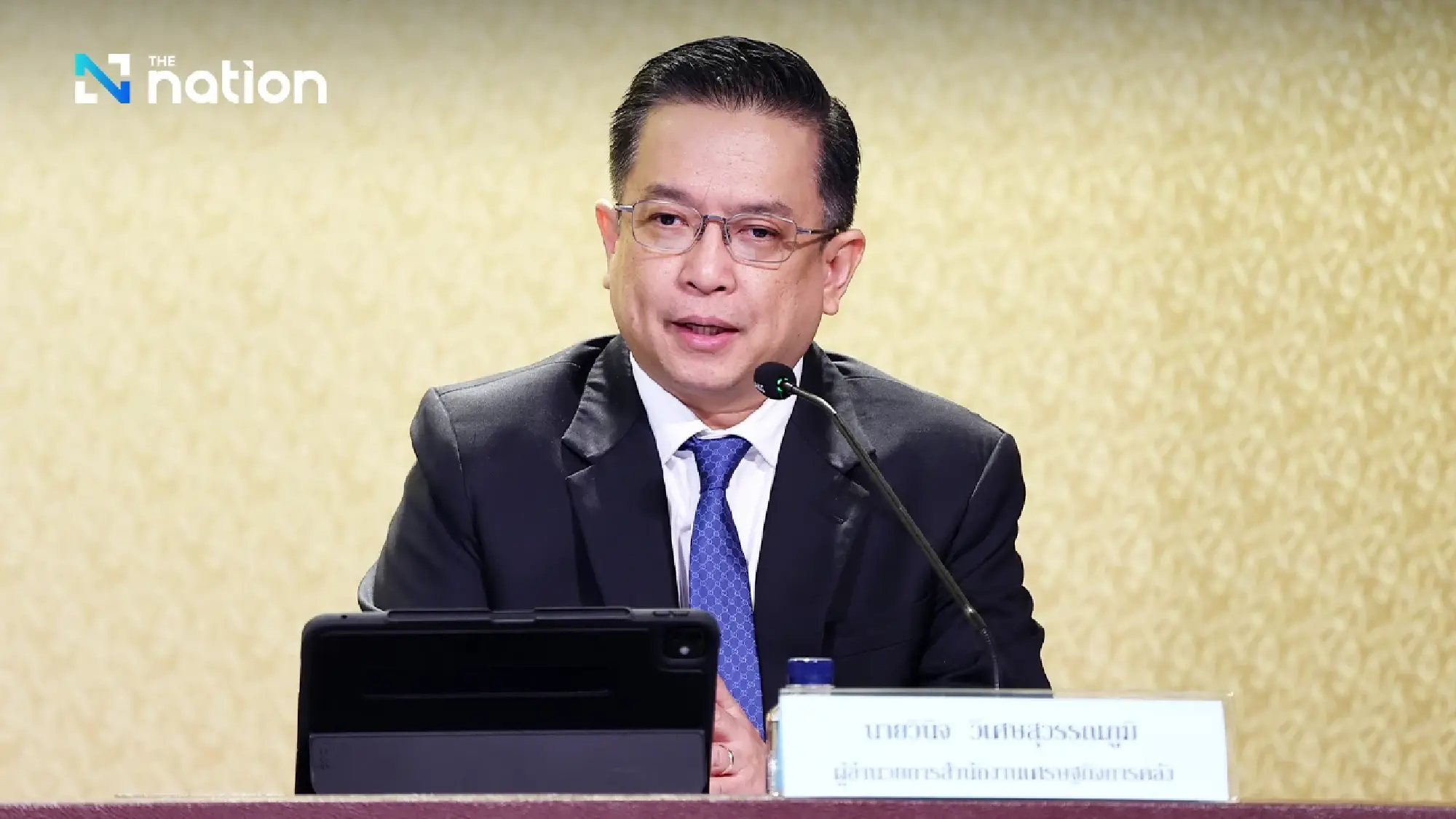
Winij Wisetsuwannaphum, director-general of the Fiscal Policy Office (FPO), said the FPO is working closely with the National Economic and Social Development Council (NESDC) and holding discussions with the Bank of Thailand (BOT) to evaluate first-quarter GDP and draw up new economic scenarios.
He said the current situation was highly unpredictable and the impact was now expected to last for more than a month, making it necessary to assess the severity of each risk factor in detail across business sectors.
Fresh review planned as crisis clouds outlook
Winij said a meeting would be convened before the Songkran festival involving four key agencies — the NESDC, FPO, BOT and the Budget Bureau — once clearer March economic data becomes available.
The purpose of the meeting is to discuss, assess and review the inflation-targeting framework before compiling a report for the Cabinet, in line with a Cabinet resolution requiring progress updates every quarter.
The move reflects growing concern within the economic policymaking apparatus that the current crisis may prove more prolonged and complex than initially expected.

Inflation back in range, but for the wrong reason
Although inflation has now moved back into the official 1-3% target range after previously staying below 1%, Winij said the rise had been driven mainly by the impact of war rather than by normal economic expansion.
That distinction matters, he indicated, because inflation fuelled by external shocks does not necessarily signal a healthier economy.
The FPO is concerned that if inflation continues to rise while other economic drivers weaken, the result could be a shift in household consumption behaviour that would hurt the broader economy rather than support it.
Winij said all relevant agencies therefore needed to urgently assess how long the crisis might last and how the economic impact was likely to unfold.
Medium-term fiscal plan to be reassessed
Looking further ahead, Winij said the Medium-Term Fiscal Framework would also need to be reviewed alongside the new economic scenarios.
That means fiscal planning will have to be recalibrated to reflect a potentially longer-lasting shock, rather than relying on earlier assumptions.
Thailand’s economic managers are reassessing the outlook as conflict-linked cost pressures, particularly on energy, have pushed inflation higher and increased concern about spillover effects on business activity, consumer spending and the wider economy. The latest review comes as policymakers try to determine whether the current disruption is a temporary shock or the start of a more prolonged period of economic strain.
