
Hormuz closure disrupts jet fuel flows and puts airlines under pressure
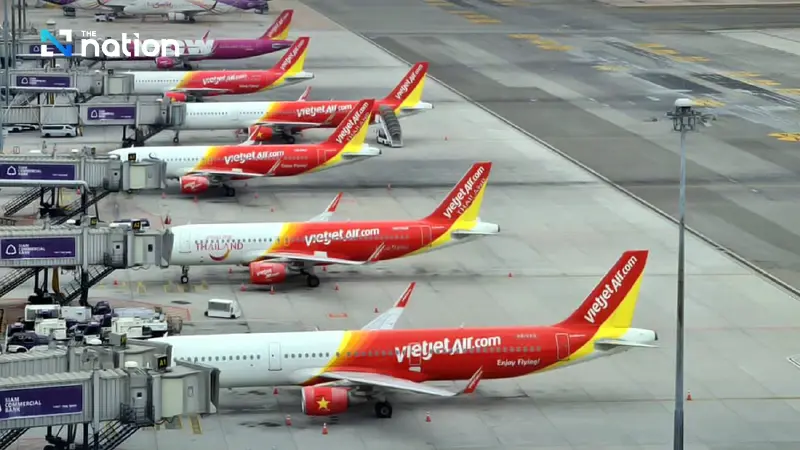


Iran’s closure of the Strait of Hormuz has disrupted nearly 21% of global seaborne jet fuel trade, hitting Asia, Europe and Africa hard and pushing airlines to raise fares, add surcharges and scale back services.
The aviation industry is facing a severe fuel crisis, with airlines across Asia scrambling to adjust their strategies. Carriers are reducing flights, adding refuelling stops and loading as much reserve fuel as possible at departure airports after the war in the Middle East tightened supplies of jet fuel, worsening an industry already burdened by enormous fuel costs.
Middle East war wipes out 21% of fuel supply routes
Airlines in Europe are also bracing for the impact. Data from analytics firm Kpler shows that Iran’s closure of the Strait of Hormuz has already cut off nearly 21% of global seaborne jet fuel transport routes.
Unlike previous crises, which mainly affected prices, this one is directly hitting physical supply, prompting governments, airports and airlines to consider fuel rationing measures.
Shukor Yusof, founder of aviation consultancy Endau Analytics, said airlines were deeply concerned because there was no clarity over when the war would end or when supply chains from the Arabian Gulf could return to normal.
Analysts believe Asia, Europe and Africa are at greatest risk of severe disruption, while the United States remains relatively sheltered thanks to sufficient domestic fuel stocks.

Asia faces the gravest fuel shortage risk
In Asia, countries heavily dependent on fuel imports such as Vietnam, Myanmar and Pakistan are in the most precarious position, especially after China and Thailand suspended jet fuel exports and South Korea also restricted export quotas.
Bo Lingam, chief executive of long-haul low-cost carrier AirAsia X, said the airline was now loading additional fuel in Malaysia before flying to destinations in Vietnam. "Not to say that they are not giving us fuel, but they limit the amount of fuel," he said.
Under normal circumstances, when shortages are temporary, airports typically ration fuel rather than suspend services altogether. Airlines usually respond by tankering fuel from their origin country, adding stopovers on long-haul routes or reducing cargo loads. But if the crisis drags on, the final option is to cut flights.
The chief executive of Ryanair has warned that the war may not end easily and said that if fuel supply risks removing 10% to 20% of available volumes between June and August, the company and other airlines may have no choice but to cancel flights or reduce services.

Asia has felt the impact sooner than Europe because it holds lower fuel reserves and depends more heavily on shipping routes through the Strait of Hormuz. Vietnam’s aviation authority has reported that Vietnam Airlines has cut 23 domestic flights a week to conserve fuel.
Myanmar’s Transport Ministry has also reported, in line with data from aviation analytics firm Cirium, that several domestic airlines have suspended or reduced flights from March through April.
Industry sources added that Air India has had to refuel in Kolkata on return flights from Yangon to Delhi because supplies at Yangon airport were insufficient.
Tahiti International Airport in the South Pacific has also issued restrictions on international refuelling, allowing only essential volumes to be uplifted.
In Pakistan, authorities have advised pilots to load as much fuel as possible from overseas, even though this sharply increases costs because heavier aircraft burn more fuel.
Brendan Sobie, an independent aviation analyst based in Singapore, said some countries might restrict fuel volumes for foreign airlines, forcing them to tanker fuel across borders. He said this could be a precautionary step by governments worried about running out of stock.

Jet fuel crisis may drag on
Jet fuel prices have more than doubled since the conflict erupted, forcing airlines to cut flights, raise ticket prices and impose fuel surcharges.
Batik Air Malaysia is one clear example. The airline has announced a 36% reduction in domestic capacity, with its chief executive describing the move as a necessary proactive measure in a crisis.
Continuing to operate without adjusting, he said, would expose the company to both financial and operational risks.
At the same time, major Gulf carriers such as Emirates and Qatar Airways have significantly reduced services, while airlines around the world are also cutting flights as higher ticket prices cause passengers to delay travel plans.

Even so, analysts say flight cuts have not yet reduced travel demand quickly enough to offset the loss in fuel supply. Reuters estimates that jet fuel supply produced in Asia-Pacific, which depends on crude shipped through the Strait of Hormuz, has already fallen by at least 400,000 barrels a day since the crisis began.
Alex Yap, senior oil products analyst at Energy Aspects, said replacement supply would be difficult to secure, especially in Asia, where the market is likely to tighten further as refineries begin reducing output.
Analysts estimate that flight cancellations in April have reduced fuel demand in Asia by only 50,000 to 100,000 barrels a day, signalling that airlines may be forced to make deeper service cuts in the months ahead.
