
Middle East war hits Thai hotels as Q2 bookings slump; THA urges government action to steady tourism
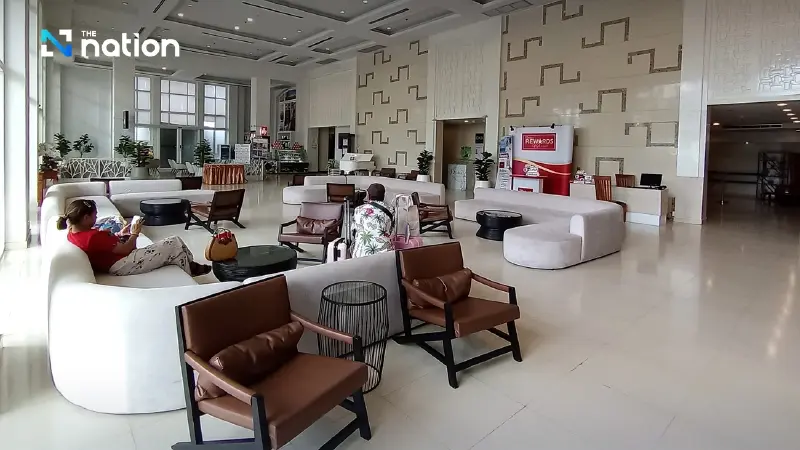


Thai Hotels Association warns Q2 forward bookings are weaker than last year as airfares spike and uncertainty rises, proposing eight measures to support tourism recovery.
The Thai Hotels Association (THA) held a meeting on April 1, 2026 to gather views on the Middle East crisis and its impact on Thailand’s hotel industry, including updated assessments and forward booking trends.
Thienprasit Chaiyapatranun, president of the THA, said overall performance in Q1 2026 met targets, but the association is increasingly concerned about Q2, as forward bookings have slowed and are weaker than the same period last year. For Q3-Q4, most markets are in a “wait-and-see” mode.

Regional impact snapshot
- South: hit by the loss of Israeli visitors who were key in some locations such as Koh Phangan. The main issue is sharply higher airfares—some routes up as much as 200%—due to airspace avoidance and constraints on airlines that previously connected via the Middle East.
- North: facing the toughest combination of three factors—Middle East war impacts, severe PM2.5 haze, and the loss of the Israeli market—dragging Songkran bookings to around 50-60%, below previous years when hotels were often fully booked.
- East: Q2 bookings down 10-15%. There are concerns that higher oil prices will affect domestic travel decisions over Songkran. However, Pattaya continues to benefit from Russian demand shifting from Phuket.
- West: Middle East spillovers are less severe than other regions, but operators are concerned about last-minute booking behaviour and oil-price impacts on the domestic market.
- Central (e.g. Nakhon Nayok): government and state-enterprise meetings and seminars have slowed markedly due to delayed or cancelled budget spending.
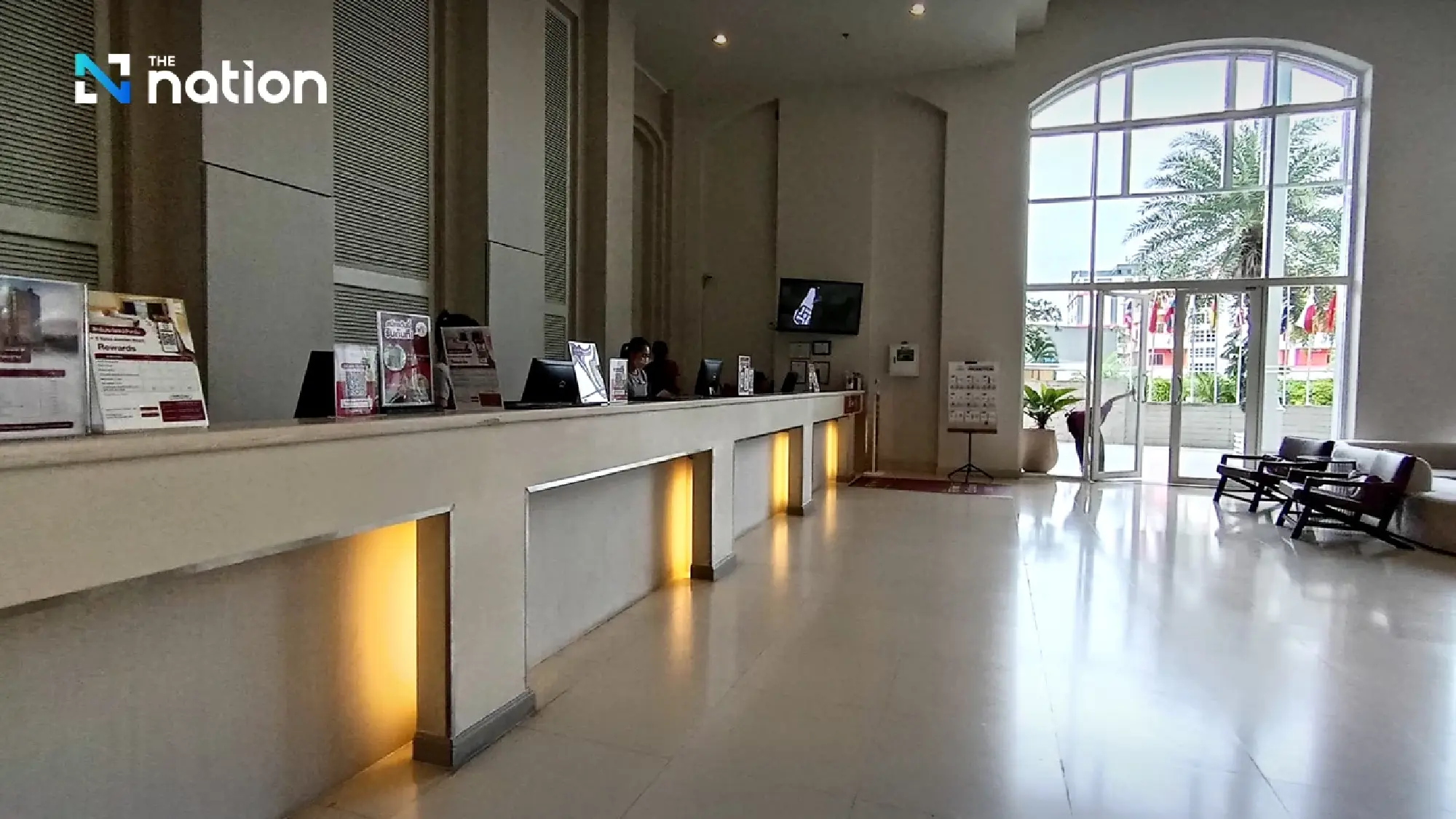
- Bangkok: Songkran bookings remain below last year, while the MICE segment has yet to commit bookings for the second half.

Markets still seen as having potential
Thienprasit said short-haul markets with potential include China and India as core replacements, alongside South Korea, Indonesia, Taiwan, and Malaysia—particularly cross-border drive markets in the South. For long-haul, he said the United States remains steady, with continued interest also seen from the Nordic countries, Russia, CIS markets, and Australia.

THA’s four-pronged operating strategy
- Defensive: retain existing customers through flexible booking and cancellation policies, while actively courting the MICE segment.
- Adjust direction: rebalance the nationality mix towards markets with easier access and fewer flight-routing impacts.
- Efficiency: add value and improve experiences rather than cutting prices, and urge the state to address delays at immigration checkpoints.
- Recovery plan: prepare to accelerate immediately once aviation conditions normalise, so Thailand can compete quickly.

THA’s eight proposals to the government
- Delay introducing the proposed foreign tourists' entry fee (“landing fee”) as travel costs are already high.
- Address PM2.5 urgently, especially in the North.
- Review visa policy to balance convenience with stronger screening against criminals.
- Reduce energy costs and oil prices to support domestic travel and interprovincial trips.
- Launch domestic tourism stimulus, such as a Kon La Krueng Plus scheme or support for tourist buses.
- Support budgets for domestic government meetings and offer incentives for private-sector events.
- Support charter flights to improve direct access to tourist destinations.
- Improve liquidity support for operators ahead of a weaker low season.
