
PM tells Energy Ministry: cut oil prices now, not gradually
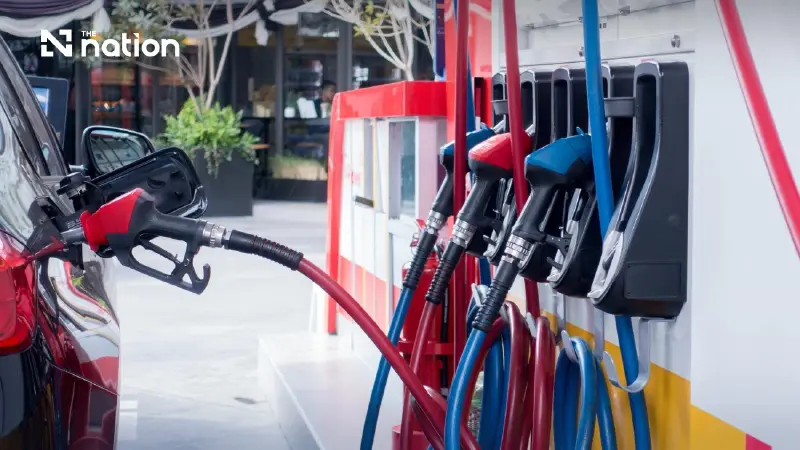


Prime Minister Anutin Charnvirakul has ordered the Energy Ministry to find ways to cut retail oil prices immediately, saying lower global prices should be passed on to consumers to ease living costs.
Prime Minister Anutin Charnvirakul has instructed the Energy Ministry to find ways to reduce retail oil prices, saying domestic fuel prices should fall now that global oil prices have declined and stabilised.
Speaking at Government House at 12.40pm, Anutin, who also serves as Interior Minister, said he had ordered Energy Minister Akanat Promphan during the weekly Cabinet meeting to work on measures to bring down pump prices as much as possible.
He said the government must take into account people’s cost of living, household expenses and the operating costs faced by businesses, especially as fuel prices affect transport, goods prices and daily economic activity.
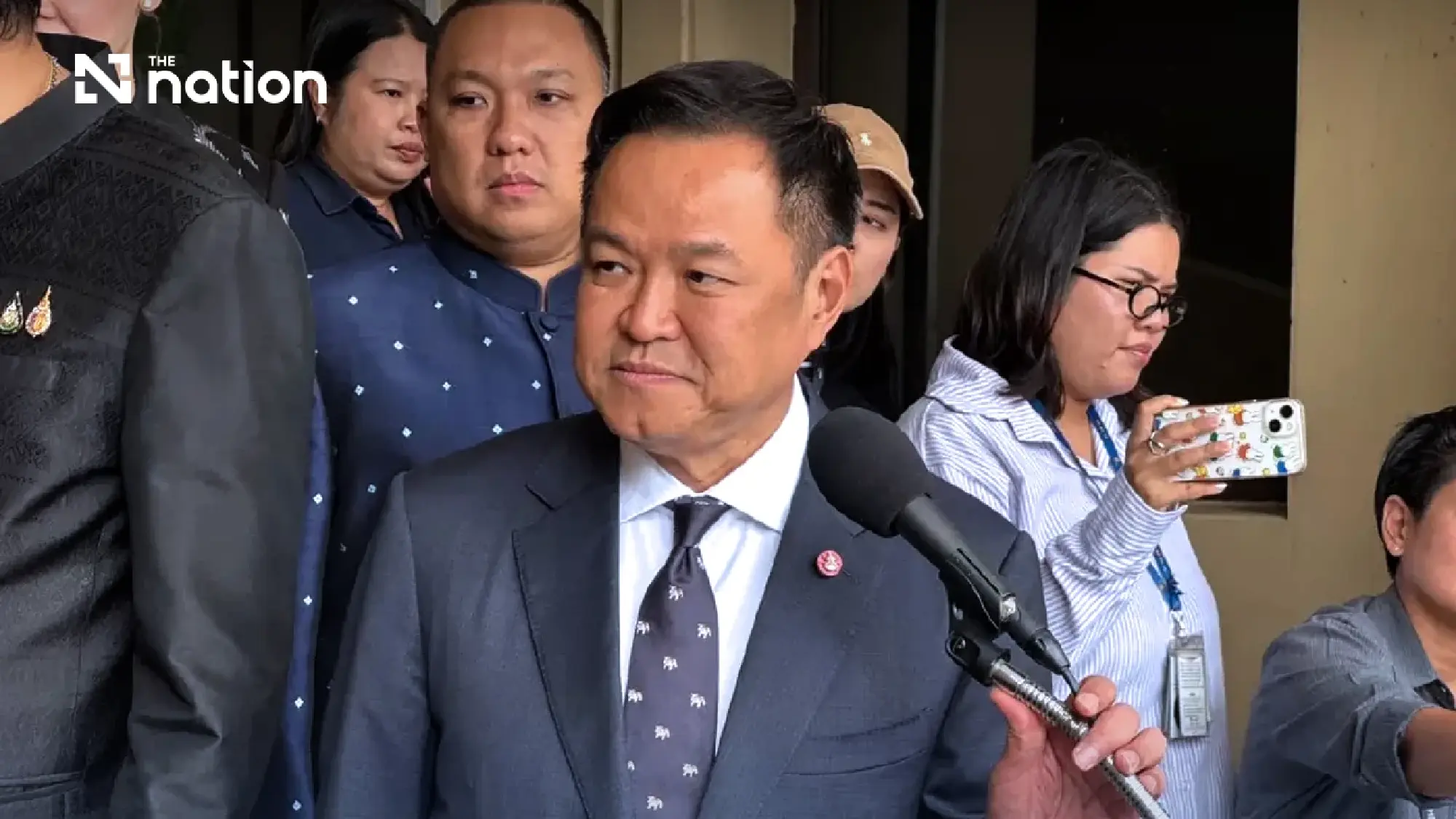

PM demands clear and immediate action
Anutin said the public had already seen that global oil prices had fallen, making it reasonable for domestic retail prices to be reduced accordingly.
“When global prices rose, we asked the public to accept higher prices. Now that global oil prices have fallen, we do not need to ask people before lowering prices. Just lower them straight away — immediately and properly, not gradually,” he said.
The Prime Minister said the Energy Minister had already received the policy direction and would now have to work through the ministry’s mechanisms.
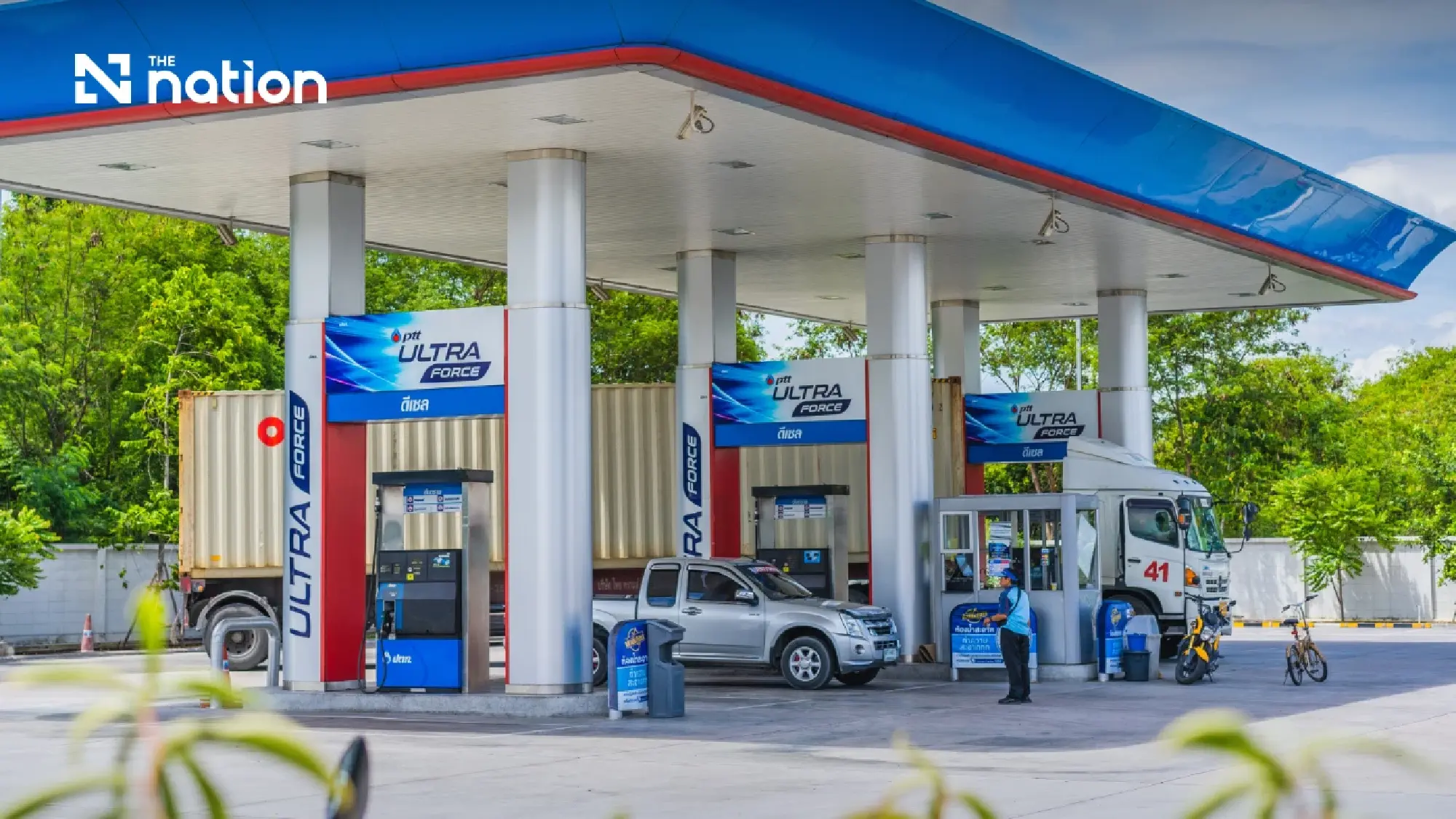

No fixed deadline, but prices ‘must come down’
Asked whether the government had set a timeframe for the fuel price reduction, Anutin said there was no fixed deadline.
He said the Energy Ministry would have to proceed through the relevant mechanisms, including meetings of committees such as the Oil Fuel Fund Executive Committee.
However, he stressed that the policy instruction was clear: prices must be reduced.
“Do you think the minister will come back and say prices will not be reduced?” Anutin said.
Lower fuel costs tied to food and goods prices
The Prime Minister also said the government was looking beyond fuel prices as part of a wider effort to reduce the cost of living.
Asked about food prices, which fall under the supervision of the Commerce Ministry, Anutin said Deputy Prime Minister and Commerce Minister Suphajee Suthumpun had already been informed and would proceed with the matter.
He said lower oil prices should help reduce the prices of various goods, as fuel costs are linked to transport and production expenses.
Price controls and Blue Flag scheme to continue
Anutin said the government would continue measures aimed at easing daily expenses, including the Blue Flag low-price goods scheme, price-freezing measures and other initiatives to help households.
He added that the Thai Chuai Thai Plus programme would also play a role in reducing people’s cost of living.
The remarks signal that the government wants to turn falling global oil prices into a broader economic relief package, with both the Energy and Commerce ministries expected to play key roles.
Government says inflation response must be broad
Asked what economic policies should be pursued if inflation remains high, Anutin said the government would continue implementing measures across several areas.
He said the issue could not be viewed from a single angle, adding that the government must consider people’s quality of life in every dimension.
