
Thailand reviews foreign-film rebates to prioritise Thai jobs and local value



Thailand is reviewing cash rebates for foreign film productions to generate more jobs, employ Thai crews and retain greater economic value, as MPA members’ investment in the country exceeds US$1 billion.
Thailand will comprehensively review its cash-rebate scheme for foreign film productions, with future incentives expected to place greater emphasis on creating jobs, employing Thai crews and retaining more economic value within the country.
Deputy Prime Minister and Commerce Minister Suphajee Suthumpun announced the review after meeting executives from the Motion Picture Association at Government House on Tuesday (July 14).
She said the Prime Minister had ordered the government to reassess the entire incentive system to ensure that public support for overseas productions delivered the greatest possible returns for Thailand.
The revised approach would go beyond reimbursing part of a production’s spending and would instead focus more closely on employment, the use of Thai production teams and additional value generated across the domestic economy.

Rebates to be tied more closely to economic returns
Suphajee said the review reflected the government’s intention to maximise the benefits created by international film and television productions operating in Thailand.
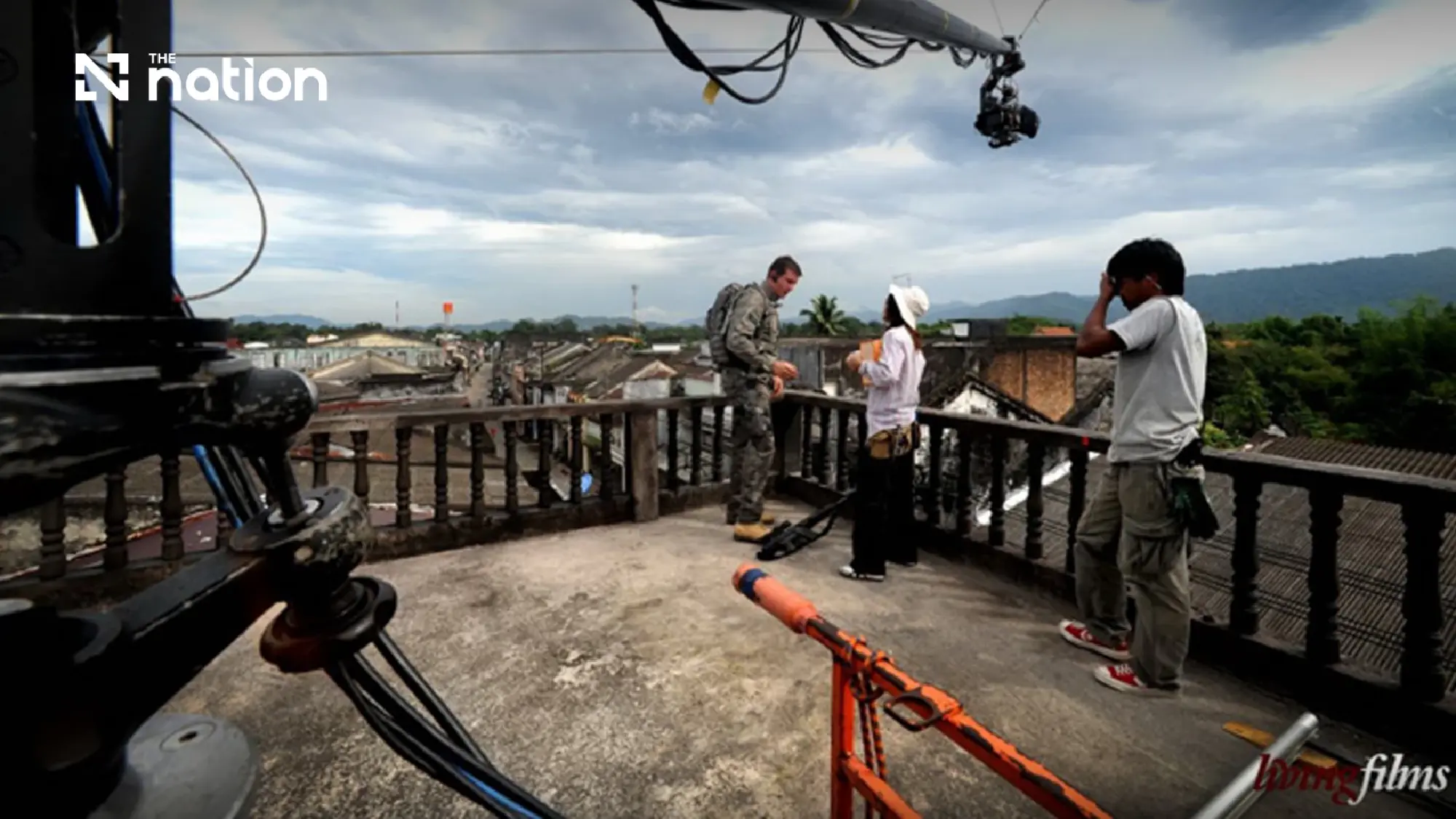
Foreign shoots can generate demand for Thai crew members, production companies, equipment suppliers, accommodation, transport, catering and other local services.
A revised rebate system could therefore be designed to reward productions that employ more Thai workers and direct a greater share of their budgets into the domestic supply chain.
However, the government has not yet announced whether the review will change rebate rates, spending thresholds or eligibility conditions. No timetable for completing the review was provided.


MPA members’ investment exceeds US$1 billion
The review comes as Thailand seeks to attract a larger share of global investment in films, television series and other forms of entertainment content.
Suphajee said MPA member companies, which include major international film businesses, had already invested more than US$1 billion in content production in Thailand. She did not specify the period covered by the figure.
The association sees Thailand as having significant advantages beyond competitive production costs and filming locations, she said.
These strengths include the country’s culture, tourist destinations, food, ways of life and local stories, all of which can be developed for international audiences.
Thailand targets larger role in global content industry
Suphajee said Thailand should not position itself merely as a location for foreign productions.
Its cultural and creative resources could be developed into films, television series, characters, games, lifestyle products and merchandise, allowing Thai intellectual property to generate revenue across several industries.
She cited the Character and Content event, held from July 9 to 12, as evidence of the sector’s commercial potential.
The event attracted more than 20,000 participants, substantially exceeding its target of 8,000, while business-matching activities generated deals valued at up to 600 million baht over four days.
Suphajee said the figures demonstrated that Thai characters and creative content had tangible business value and could be expanded sustainably into other creative industries rather than relying on short-lived popularity.
MPA seeks faster filming approvals
During the talks, the MPA asked the government to streamline the process through which foreign productions obtain permission to film in Thailand.
Its proposals covered the initial screening of projects, coordination among government agencies and subsequent approval procedures.
Suphajee said the government was prepared to provide full support to make it easier for international production teams to work in the country.
A faster and more predictable approval process could improve Thailand’s competitiveness as regional countries compete to attract major film and television projects through financial incentives and production support.
Copyright and deepfake safeguards seen as investment priorities
The government is also placing greater emphasis on copyright and intellectual-property protection, which Suphajee described as an important consideration for global investors and content owners.
She said stronger safeguards were increasingly necessary as artificial intelligence and deepfake technology made it easier to misuse performers’ images, voices and creative works.
Thailand is accelerating efforts to update relevant laws in line with international standards to strengthen confidence among investors, studios, artists and intellectual-property owners, she added.
“If we put an effective cash-rebate system in place, together with Thailand’s readiness in terms of its laws, culture, tourist attractions, food, local content and industry workforce, these factors will become a major magnet for global productions,” Suphajee said.
She added that the combination could help Thai content build stronger connections with international markets.
