
Japan drafts safeguards for celebrity voices against AI misuse
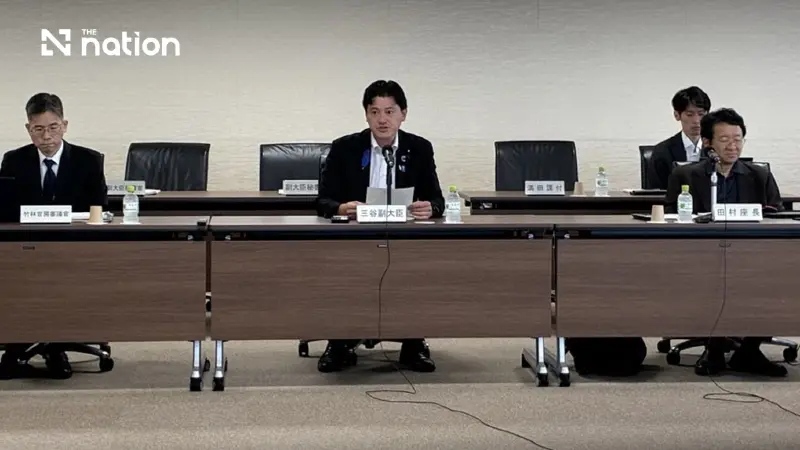


The draft sets out when unauthorised AI-generated voices and portraits may lead to civil liability while generally allowing entertainment-based impersonation.
- Japan's Ministry of Justice has drafted a report to establish legal safeguards for celebrity voices against unauthorized use by generative AI.
- The draft proposes that AI voice misuse could be deemed unlawful if it causes significant harm to a person's honor or the tranquility of their private life.
- The report considers extending the "right of publicity," which protects the commercial value of a celebrity's image, to also cover their voice.
- It clarifies that voice mimicry intended as entertainment or artistic expression would generally not be considered a violation of these rights.
Japan’s Ministry of Justice has prepared a draft report seeking to protect the voices of famous people, alongside their portraits, from unauthorised use involving generative artificial intelligence.
The document was presented to an expert committee on Monday (July 13).
After considering feedback from its members, the ministry plans to release the final report as early as August.
The initiative addresses an area of Japanese law that remains unsettled.
No court in the country has ruled on the rights involved in the misuse of a person’s voice, leaving uncertainty over when such conduct may be considered unlawful.
One scenario examined in the draft involves generative AI being used to produce audio that could lead listeners to believe a voice actor was reading obscene material.
The recording is then posted on social media for profit.
According to the draft, such conduct could constitute an unlawful act when the harm caused to the person’s honour or the tranquillity of their private life exceeds what can reasonably be tolerated.
The report also proposes criteria for assessing how closely an AI-generated voice resembles that of a famous person.
It further considers whether unauthorised use could violate the “right of publicity”, which enables celebrities to control the commercial value associated with their portraits.
However, celebrity impersonations and voice mimicry intended as entertainment are generally regarded as forms of artistic expression and would not normally infringe publicity rights, the draft states.
Concerns have intensified over harmful uses of generative AI, including “AI covers”, in which AI systems learn the voices of singers or voice actors and then use those voices to perform songs.
Voice actors from popular animation productions have called for measures to tackle the practice.
The ministry hopes its final report will serve as a reference for both legal proceedings and the development of AI technology.

[Copyright The Jiji Press, Ltd.]
