
Chiang Mai property market drops as Chinese demand wanes, Myanmar and US rise
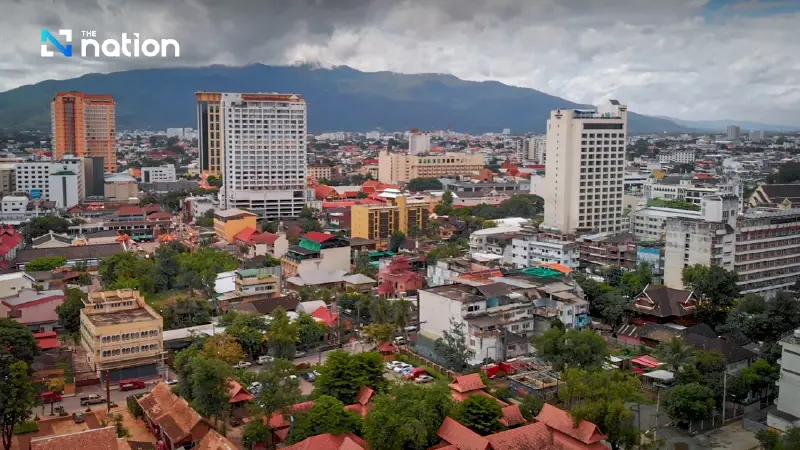


Chiang Mai real estate hits a slump as Chinese demand fades. Myanmar and US buyers surge, with rental demand rising and foreign investments growing.
The Real Estate Information Centre (REIC) of the Government Housing Bank reported that Chiang Mai, the largest property market in northern Thailand, is facing a downturn. Despite its dominant share of over 50% of the residential market across five northern provinces, new project sales dropped by 13.4% in August 2025, while unsold stock increased by 4.3%. As a result, the absorption rate has dropped to just 1.6% per month, meaning it would take 57 months to sell off current inventory, compared to 47 months in the same period last year.
The situation is particularly concerning, not only due to declining sales but also due to a sharp decline in new project launches. In the first half of 2025, only 284 new units were launched, a 66.2% drop in number and a 74% decrease in value compared to last year. The subdivision homes segment saw a 76.8% decrease, while condominiums dropped by 52.6%. However, the villa segment, though small in new launches, saw a 700% increase in sales in the first half, reflecting growing interest from new foreign investors.
A shift in consumer behaviour
Akkadet Udomsirithamrong, President of the Chiang Mai Real Estate Association, noted a significant shift in consumer behaviour from buying to renting, particularly among those unable to access loans. Despite Chiang Mai having one of the highest page views for property searches, interest has dropped by over 20%, indicating a retreat in actual buying demand. On the other hand, rental demand has risen, with fewer vacant units available for rent, reflecting a shift in both consumer behaviour and business strategies.
A changing foreign market
The once-reliable source of demand from Chinese investors has dwindled, partly due to economic uncertainty in China and concerns over safety in Thailand. However, Myanmar buyers have stepped in, particularly among the middle class seeking better security and education for their children, leading to a steady increase in property transfers from Myanmar nationals in Chiang Mai.
“The ease of travel from Mandalay or Yangon to Chiang Mai, coupled with cultural similarities, has made the city a top destination for Myanmar nationals seeking long-term relocation,” said Akkadet.
At the same time, US demand is on the rise, with a new US consulate opening in Chiang Mai and staff numbers growing from 200 to over 1,000. This has driven higher demand for both purchase and rental properties, particularly in the upscale sector.
Optimism for recovery
Despite the challenges in the first half of 2025, there is optimism for the second half of the year. Interest rate cuts, loosening commercial bank lending, political clarity after the formation of a new government, and the upcoming tourist season are expected to provide a boost.
“Historically, the northern property market recovers in the second half of the year, especially in tourism-driven areas like Chiang Mai. With no new negative factors, we expect the market to gradually recover,” Akkadet said.
While the outlook for the first half of 2025 may seem bleak, there is still hope. Developers who can adapt to changing consumer behaviour—whether shifting from a sales to rental market or tapping into expanding foreign demand—will have a better chance of recovery. This year still holds the potential for a rebound, provided businesses can adjust to evolving market needs.
