
Thailand drives DEFA digital trade and payment framework for ASEAN
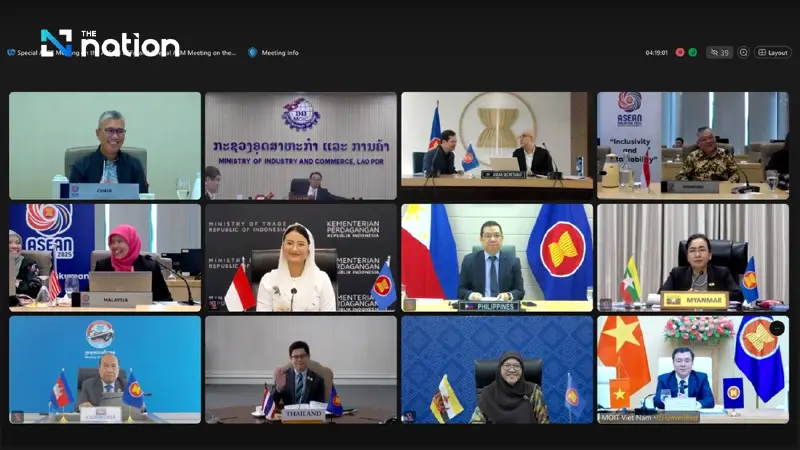


Thailand is actively leading negotiations for the ASEAN Digital Economy Framework Agreement (DEFA), with plans to sign it by 2026.
The agreement aims to foster digital trade, including online commerce and cross-border digital payments, helping ASEAN’s digital economy reach US$2 trillion by 2030.
Chantawit Tantasith, the Deputy Minister of Commerce, revealed that he attended a special session of the ASEAN Economic Community Council (AECC) via video conference on Thursday, August 28.
Thailand is chairing DEFA discussions, marking a significant step toward linking regional digital economies. The agreement will not only establish ASEAN as a global digital economy hub but also present Thailand with an opportunity to emerge as a leader in the digital space.
As the chair, Thailand has been instrumental in resolving key policy issues to fast-track negotiations. The aim is to reach an agreement by the end of this year, with the formal signing slated for 2026.
"Thailand, as the chair of the negotiations, has taken an active leadership role, prioritising the shared benefits of all member states. This agreement is not just a matter between governments but will deliver real outcomes for the people and businesses in the region," Chantawit emphasised.
Key components of DEFA include:
- Seamless online trade for goods and services
- Cross-border, low-cost, and fast digital payment systems
- Enhanced cybersecurity and data protection
- Promotion of digital skills and business opportunities for SMEs and startups
- A platform for discussions on emerging technologies like AI, FinTech, and data innovation
Prewprae Chumrum, Director of the Department of International Trade Negotiations, has played a leading role in coordinating ASEAN's efforts, ensuring close cooperation between member states and securing consensus on major issues.
Thailand is optimistic that the DEFA negotiations will conclude successfully and lead to the signing of the agreement in 2026.
Once implemented, DEFA is expected to push ASEAN’s digital trade value to US$2 trillion by 2030 and create a favourable environment for businesses, especially small enterprises looking to expand internationally.
DEFA is a key component of the Bandar Seri Begawan Roadmap (BSBR), aimed at accelerating ASEAN’s transition to a digital economy.
It aligns with the ASEAN Economic Community (AEC) Post-2025 Vision and supports economic recovery post-COVID-19. ASEAN began DEFA negotiations in 2023, with a significant achievement expected by October 2025, paving the way for the formal signing in 2026.
