
SpaceX seeks FCC nod for up to 1 million orbital AI “data centres”



SpaceX has asked the US FCC to approve a new “orbital data centre” system that could ultimately involve up to one million satellites, arguing that solar power in space could help meet surging AI compute demand — but scientists warn the plan could worsen debris risks and disrupt astronomy.
FCC filing: “orbital data centres” for AI
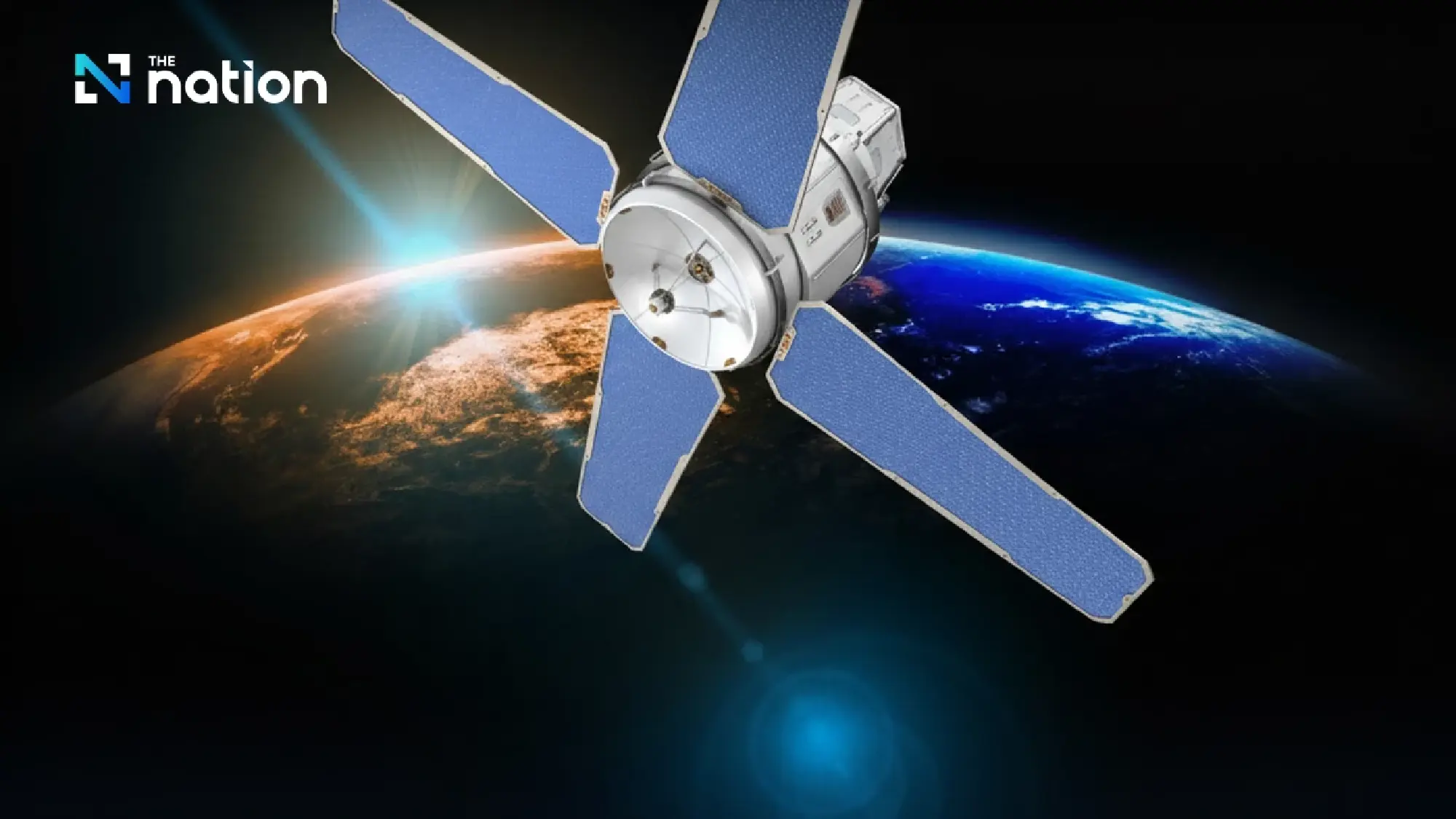
SpaceX has filed an application with the US Federal Communications Commission seeking permission for a vast constellation of satellites designed to function as solar-powered “data centres” in orbit for artificial intelligence workloads.
Why SpaceX says orbit makes sense
In the filing and related reporting, the company positions space as a way to tap near-continuous solar energy and avoid some constraints facing Earth-based data centres, including power availability and cooling requirements.

The scale: “up to one million” satellites, not necessarily day one
The proposal sets a ceiling of as many as one million satellites — a figure analysts and industry watchers often treat as a maximum design envelope rather than an immediate deployment plan. SpaceX has previously sought approvals for large Starlink expansions and currently has thousands of Starlink satellites in orbit.
Technical approach: laser links and heavy-lift launches
Coverage of the filing says the system would lean on optical inter-satellite links (laser communications) and would be far more feasible if SpaceX’s fully reusable Starship reaches routine, high-volume launch operations.

Pushback: debris risk and astronomy concerns
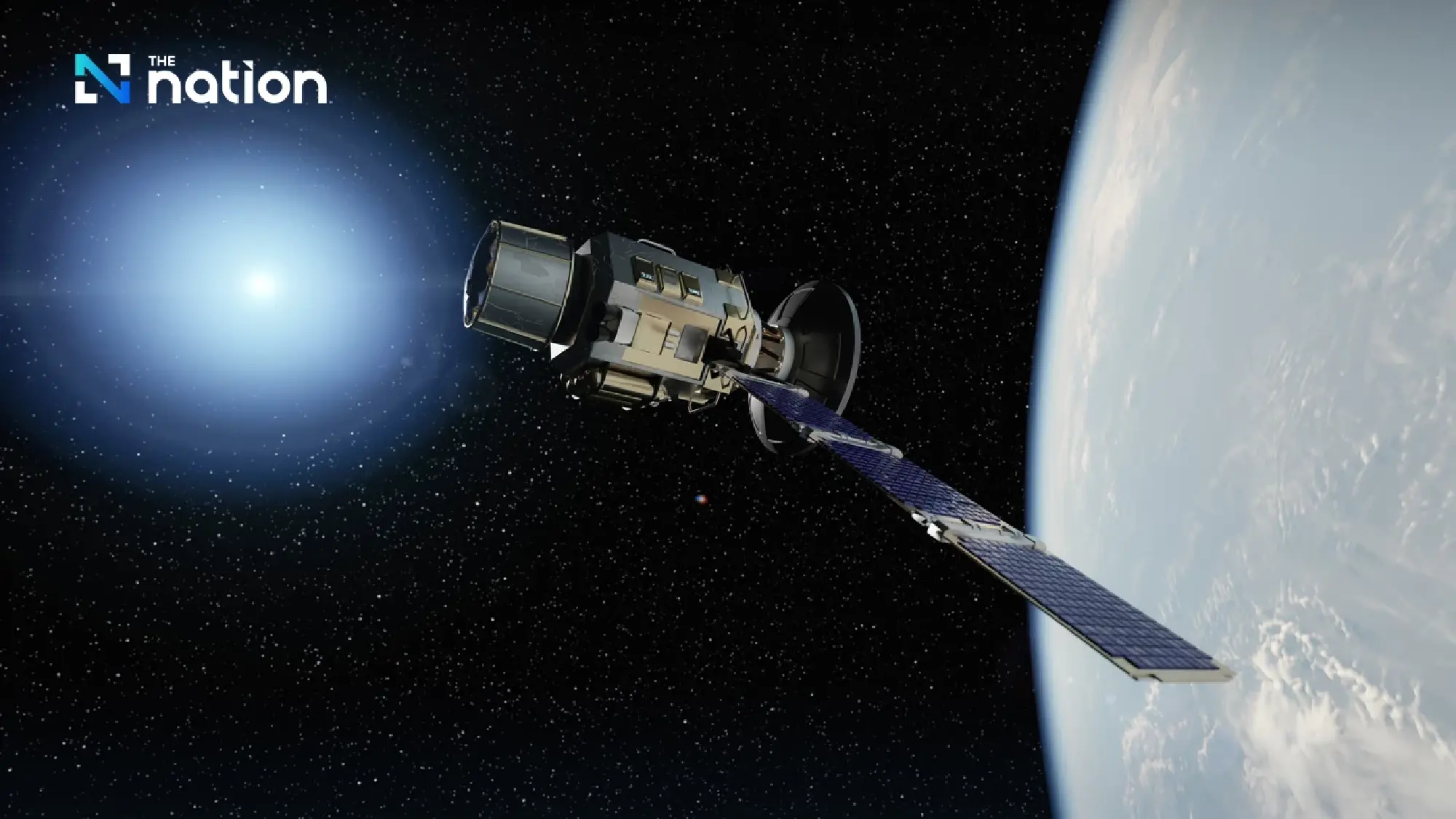
Critics argue that scaling from today’s satellite population to anything approaching the filing’s upper limit could heighten collision and debris risks, while astronomers warn that large fleets can interfere with optical and radio observations even with mitigation steps.
Corporate backdrop: xAI merger talks, IPO speculation
Separately, Reuters has reported that SpaceX and Elon Musk’s AI company xAI have been in talks about a merger ahead of a possible SpaceX IPO later in 2026, though key details such as timing and valuation have not been confirmed publicly.
xAI has also publicised a US Department of Defense contract with a ceiling value of up to $200 million, underscoring the growing defence interest around frontier AI tools.
