
Suphajee seeks faster ratification of Thailand–EFTA FTA
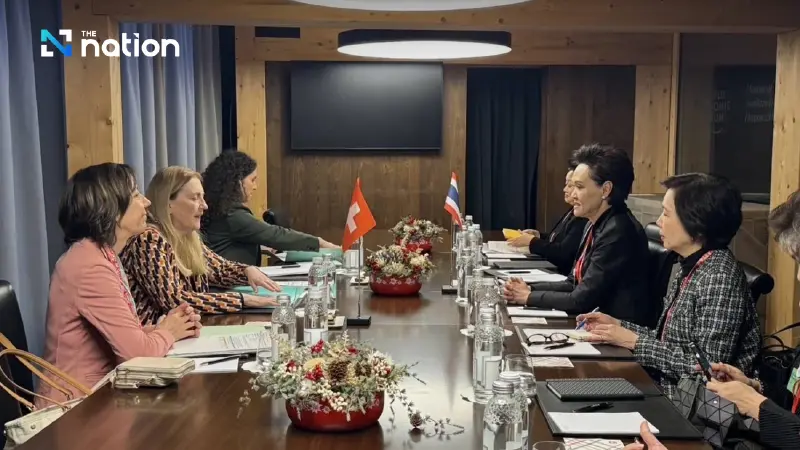


Commerce Minister Suphajee Suthumpun met Switzerland’s SECO chief Helene Budliger Artieda at the WEF in Davos to discuss accelerating ratification of the Thailand–EFTA FTA, with Thailand aiming to send the deal to Parliament after the Feb 8 election and target completion in Q4, ahead of a planned entry into force on Jan 1, 2027.
Meeting at WEF in Davos
Commerce Minister Suphajee Suthumpun met Helene Budliger Artieda, director of Switzerland’s State Secretariat for Economic Affairs (SECO) and State Secretary for Economic Affairs, on Tuesday on the sidelines of the World Economic Forum (WEF) in Davos, Switzerland, to discuss speeding up the ratification of the Thailand–European Free Trade Association (EFTA) free trade agreement (FTA).
The Thailand–EFTA FTA was signed on January 23, 2025. EFTA members include Switzerland, Norway, Iceland and Liechtenstein. The agreement is currently awaiting final ratification.
Ratification timeline
During the meeting, Suphajee said that after the election on February 8 this year and the formation of a new government, the Commerce Ministry would submit the Thailand–EFTA FTA to Parliament for ratification.

She said the process is expected to be completed in the fourth quarter of this year. Suphajee also told Thai reporters covering the WEF that Switzerland would carry out its own ratification process so that the agreement can take effect on January 1, 2027.
Once ratified, the Thailand–EFTA FTA will be the first FTA with a European bloc to take effect.
Trade outlook and priority sectors
Suphajee said Switzerland is Thailand’s top trading partner within the EFTA group, noting that trade between the two countries has expanded significantly over the past year and that Thai exports to Switzerland surged by more than 70%.
She said the growth was driven by higher exports in categories including canned and processed seafood, rice, canned and processed fruit, electrical switchboards and control panels, internal combustion piston engines, and computers and components.
She added that both sides stand to gain from the FTA through expanded export opportunities and lower import costs, with key Thai products expected to benefit including:
- Agriculture and food: fresh and processed fruit and vegetables, rice, fresh and processed poultry, seafood, prepared foods, beverages and pet food
- Manufacturing and luxury goods: gems and jewellery, watches and parts, electrical appliances, computers, apparel, chemicals and automotive parts
Thailand also expects increased investment by EFTA members in sectors supporting national development, including research and development (R&D), environmental protection, ICT and aircraft maintenance, which would help upgrade standards and strengthen competitiveness.

Switzerland invites Thailand to join FITP
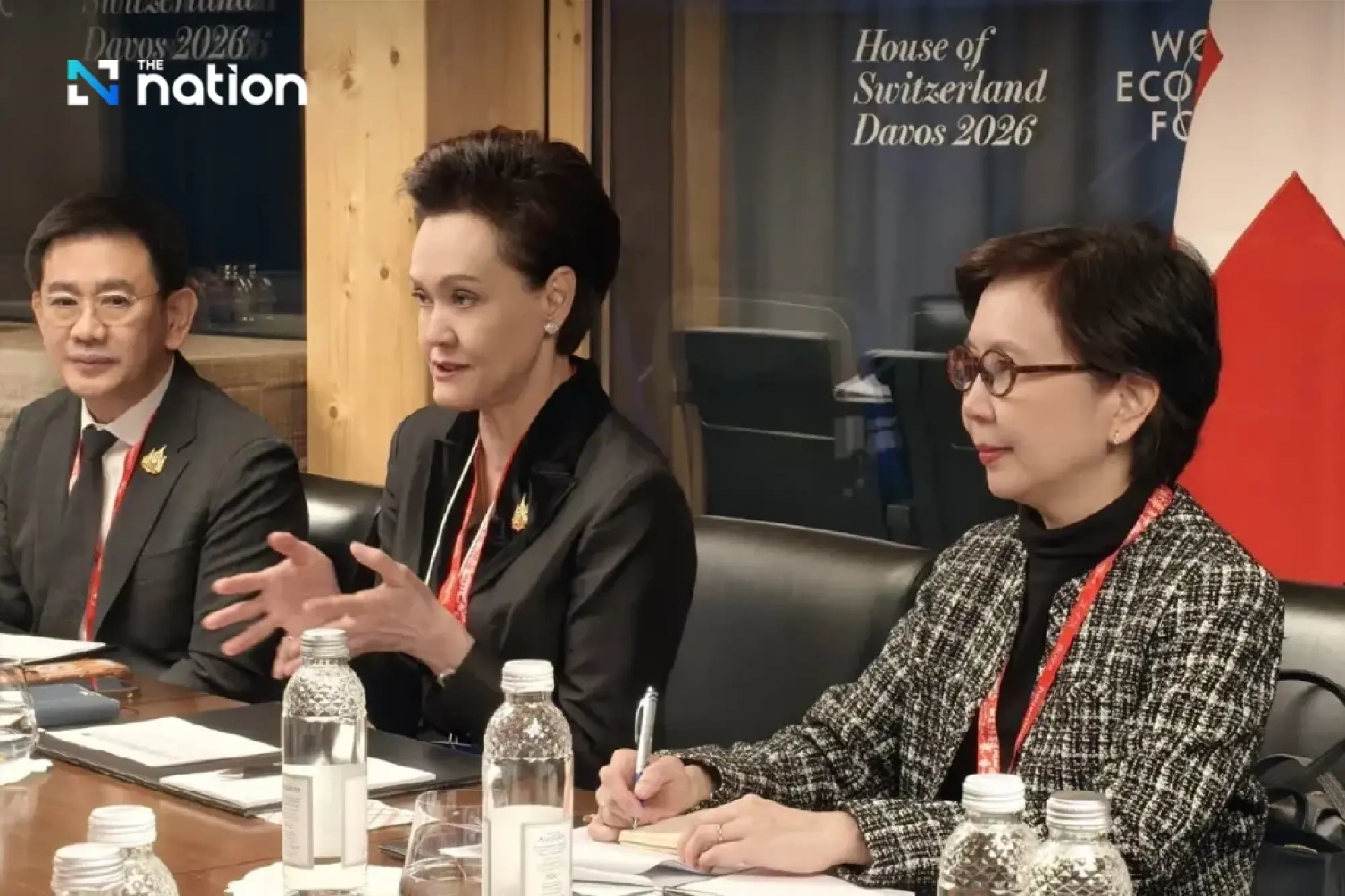
Suphajee said Switzerland invited Thailand to consider joining the Friends of Investment and Trade Platform (FITP), an informal cooperation framework of like-minded countries aimed at promoting the role of middle powers in shaping a more open, transparent and resilient international trade and investment system.
She said the platform would advance cooperation through exchanges of policy views and constructive coordination in multilateral forums, helping push forward the international economic agenda amid current global economic challenges.
Countries already participating include Norway, New Zealand, Costa Rica, the United Arab Emirates, Chile, Singapore, Malaysia and Brunei.
World Bank–IMF meetings in Thailand
Suphajee said Budliger Artieda welcomed Thailand hosting the World Bank–IMF meetings in October, adding that the President of Switzerland plans to attend, which would provide an opportunity for further discussions to build economic cooperation.
Pitching Thailand as an Asian gateway
Suphajee said Thailand also expressed its readiness to serve as an investment base and a trade gateway linking Switzerland to other countries in Asia, encouraging Switzerland to use the FTA to expand investment and cooperation—especially in innovation- and technology-driven fields where Switzerland is advanced, such as biotechnology and pharmaceuticals, and clean technologies.
She said these areas could support Thailand’s S-curve industries, including future food, health science and wellness, and clean energy.
Latest trade figures
Suphajee said Switzerland is currently Thailand’s No. 1 trading partner among EFTA members. In 2025 (January–November), total Thailand–Switzerland trade reached US$13,673.87 million, up 28.9% from the same period in 2024.
Thai exports to Switzerland totalled US$6,656.55 million, while imports from Switzerland amounted to US$7,017.32 million, leaving Thailand with a trade deficit of US$360.78 million.
Key Thai exports to Switzerland include gems and jewellery, watches and parts, travel goods, canned and processed seafood, and cosmetics.
