
Thailand’s gem exports slip in Dec after 13-month rise, but 2025 totals surge
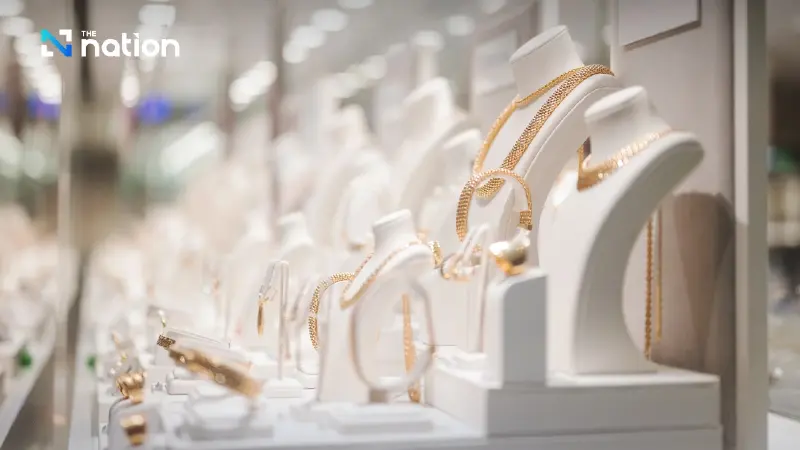


Thailand’s gem and jewellery exports excluding gold fell 26.47% in December 2025 to US$732.92m—the first drop after 13 months of growth—yet full-year 2025 exports still jumped 41.33% to US$13.59bn, the Gem and Jewelry Institute of Thailand (GIT) said.
Thailand’s gem and jewellery exports excluding gold fell in December 2025, snapping a 13-month growth streak, but the sector still posted a sharp rise for full-year 2025, according to the Gem and Jewelry Institute of Thailand (Public Organisation), or GIT.
December dip ends 13-month run
GIT director Sumeth Prasongphongchai said exports of gems and jewellery excluding gold in December 2025 were valued at US$732.92 million, down 26.47%—the first decline after 13 consecutive months of expansion.
However, when gold was included, total gem and jewellery exports in December were valued at US$1,838.95 million, up 27.52%, supported by a spike in gold shipments.
Full-year 2025 still surges
Despite the December setback, full-year exports remained strong. For January–December 2025, exports excluding gold totalled US$13,586.84 million, up 41.33% year on year. Including gold, total exports reached US$26,593.14 million, an increase of 44.75%, GIT said.
Gold drives the headline growth
Exports of gold alone in December were valued at US$1,106.02 million, soaring 148.38%, which GIT linked to speculation amid rising gold prices. The institute cited factors including pressure from a weaker US dollar, geopolitical uncertainty, global central bank accumulation, and policy uncertainty in several countries.
For the full year, gold exports were worth US$13,006.31 million, up 48.51%, accounting for 48.91% of Thailand’s total gem and jewellery exports.

Markets and product trends
Among major export markets, shipments rose to Hong Kong (+5.23%), Germany (+12.35%), the UAE (+111.84%), the UK (+33.99%), Italy (+8.33%), Japan (+16.62%), and Switzerland (+2.77%). Exports to the US edged down 0.71%, which GIT attributed to importers having accelerated purchases earlier, while Belgium fell 19.37%.
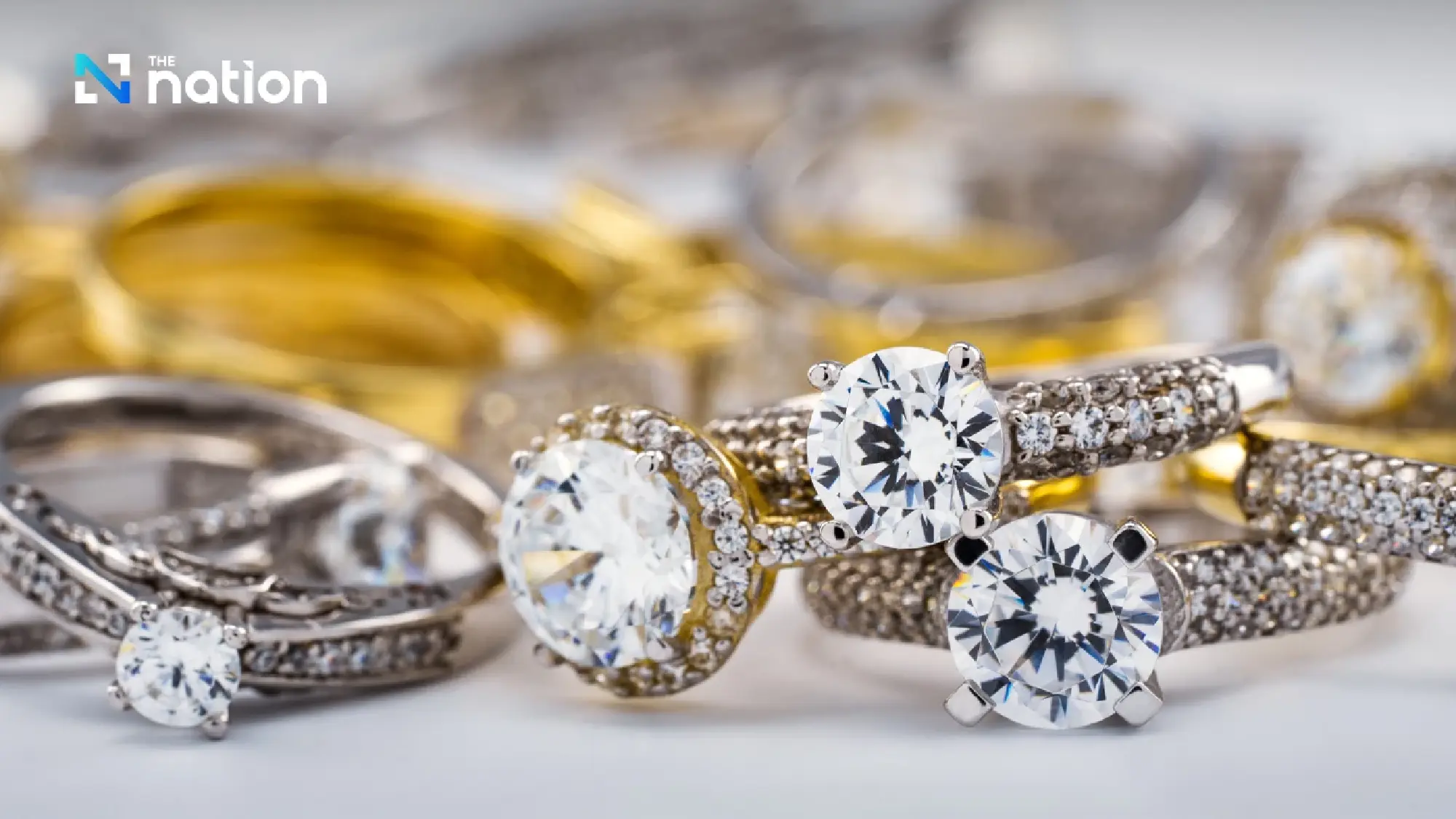
By product group, exports increased for silver jewellery (+31.56%), gold jewellery (+15.25%), platinum jewellery (+601.77%), platinum (+369.33%), cut hardstones (+8.48%), and imitation jewellery (+10.14%). Declines were recorded for rough gemstones (-2.71%), cut softstones (-13.06%), rough diamonds (-41.86%), and cut diamonds (-20.99%).
2026 outlook: risks and what firms should do
Sumeth said the IMF and OECD forecast global GDP growth of 3.1%–3.3% in 2026, but warned that volatility in global trade—especially uncertainty from protectionist policies and geopolitics—could weigh on Thailand’s exports.
He said trade negotiations and free trade agreements could open new markets and reduce barriers, while a likely rise in foreign tourist arrivals could support domestic sales and strengthen Thai branding internationally.
GIT urged operators to accelerate technology and digital adoption—particularly AI—while managing costs, diversifying supply-chain risks, monitoring stricter environmental standards and financial-market volatility, and shifting from selling precious metals by weight towards value and innovation amid sharp price swings.
