
Thai Chamber urges swift talks as US tariff hike raises export pressure
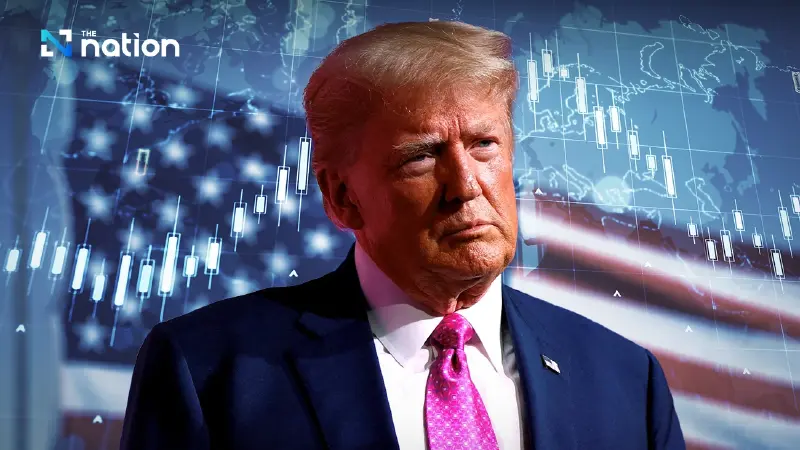


Thai Chamber chief Dr Poj Aramwattananont warns the US “tariff game” is not over, flagging higher costs, planning uncertainty and baht volatility risks for Thai exporters.
The Thai Chamber of Commerce has urged the government to move proactively on trade negotiations with the United States after President Donald Trump announced a rise in the global import duty from 10% to 15%, warning that tariffs are likely to remain a strategic tool with spillovers for exporters and global supply chains, including Thailand.
Dr Poj Aramwattananont, chairman of the Thai Chamber of Commerce and the Board of Trade of Thailand, said the latest move underscored that Washington could continue deploying tariff instruments in new forms to advance its own economic and trade agenda, even after parts of earlier measures were struck down.
Background: Section 122 and the 150-day window
The tariff dispute has intensified since a US Supreme Court ruling this week invalidated elements of the administration’s earlier tariff structure, pushing the White House to lean on Section 122 of the Trade Act of 1974 as an alternative legal basis.
A White House proclamation dated February 20, 2026 set a temporary import surcharge for 150 days starting February 24, 2026, and notes Section 122 allows a surcharge of up to 15% for that period unless Congress extends it.
“Tariffs remain a strategic tool,” chamber says
Dr Poj said the shift to a 15% rate was a clear signal that tariff measures would continue to be used strategically, affecting exporters and supply chains worldwide.
He added that the latest change would add pressure to Thai businesses, particularly those selling into the US market, as higher duties raise the landed cost of goods and can erode competitiveness—especially for low-margin industries.
Baht volatility risk if dollar weakens
The chamber also flagged exchange-rate volatility as a key risk. Dr Poj said tariff policy uncertainty could heighten the risk of US dollar weakness—particularly if the US ultimately has to refund previously collected tariffs—potentially pushing the baht higher against the dollar.
Because international trade is still largely invoiced in US dollars, a stronger baht arriving alongside higher tariff costs would compound pressure on Thai exporters, he said, urging businesses to monitor FX trends closely in tandem with tariff developments.
Three pressure points for Thai business
The Thai Chamber identified three areas where the latest US move could intensify strain:
Higher costs and weaker competitiveness for Thai exports in the US market as duties rise.
Greater regulatory uncertainty that complicates contracts, investment decisions and long-term planning—particularly given the 150-day nature of the Section 122 window.
Faster supply-chain reshaping, with tariff pressure accelerating production shifts and investment reallocation, intensifying regional competition to attract investment.
Call for coordinated, proactive negotiations
The chamber said the impact would not be limited to Thailand and could sharpen international competition and trade negotiations more broadly, urging Thailand to step up coordination across agencies—especially the government and the Commerce Ministry as lead negotiator, alongside the foreign ministry, finance ministry and Thai missions overseas—to protect Thai business interests.
Thailand should push for clarity on measures and continue economic cooperation with Washington so exporters can plan with more confidence, the chamber said, adding it was ready to support the government with sector-by-sector impact data and policy proposals.
