
Exports jump 24.4% in January on AI-driven electronics demand: TPSO
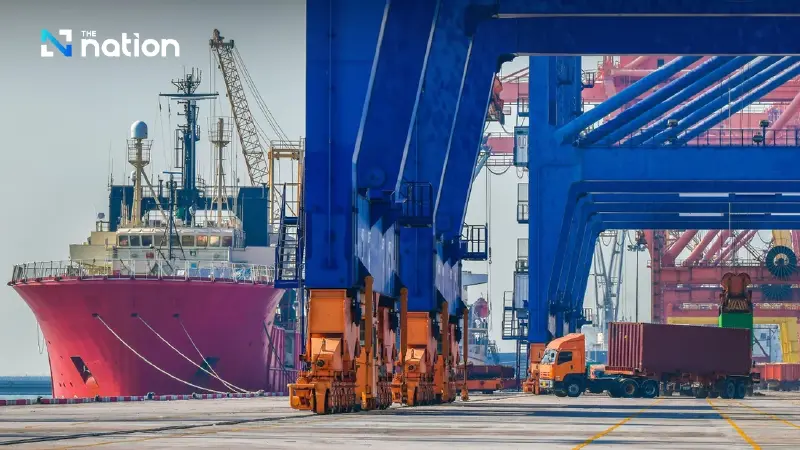


Thailand’s exports surged 24.4% in January 2026 — the 19th straight month of growth — driven mainly by strong electronics demand linked to the global AI and digital-infrastructure boom, the Trade Policy and Strategy Office (TPSO) said. Imports also hit a record high, leaving a US$3.3 billion trade deficit.
Electronics-led export boom extends to 19 months
Thailand’s exports rose sharply in January 2026, with shipments valued at US$31,573.1 million, up 24.4% year on year — marking the 19th consecutive month of expansion, according to TPSO director-general Nantapong Chiralerspong.
He said the main driver was sustained global demand for electronics, in line with the transition towards AI technology and accelerated investment in digital infrastructure worldwide.
Exports excluding oil-related products, gold and military supplies expanded 20.9%. The value of exports excluding those categories stood at US$31,044.9 million, the highest level since May 2025.
“Export value in January expanded strongly because it benefited from continued growth in demand for electronics, consistent with the shift to AI technology and the rapid development of digital infrastructure worldwide,” Nantapong said.
Imports hit record high; trade deficit at US$3.3bn
Imports in January totalled US$34,876.5 million, up 29.4% — also a record high — resulting in a trade deficit of US$3,303.4 million, Nantapong said.
What grew — and what shrank
Manufactured goods drove the jump
Exports of manufactured goods increased 29.8%, led by:
- computers, equipment and parts
- automobiles, equipment and parts
- telephones, equipment and parts
- printed circuit boards
- electrical transformers and parts
- switchboards and control panels
Key manufactured items that contracted included:
- rubber products
- plastic pellets
- radio receivers
- televisions and parts
- garments
Farm and agro-products dipped overall
Exports of agricultural and agro-industrial products fell 1.8% (agricultural products down 1.8%, agro-industrial products down 1.7%). Items that declined included:
- natural rubber
- rice
- canned and processed seafood
- sugar
- However, several categories expanded, including:
- fresh, chilled, frozen and dried fruit
- processed chicken
- pet food
- canned and processed fruit
- fats and oils from plants and animals
- fresh, chilled and frozen shrimp

Nantapong said some food and agricultural items showed better momentum this month, helped by stronger consumption during the festive period, supporting farmers’ incomes despite ongoing global uncertainty driven by geopolitical tensions.
Export markets: US and China led gains; CLMV fell
Exports expanded across most key markets.
Main markets rose 24.1%, driven by:
- United States +43.1%
- China +35.1%
- Japan +2.7%
- European Union (27 countries) +17.8%
- ASEAN-5 +29.8%
- Exports to CLMV fell 8.7%.
Secondary markets increased 22.7%, with growth in:
- South Asia +11.1%
- Oceania +97.8%
- Middle East +13.7%
- Latin America +13.9%
- Russia and the CIS +2.7%
- United Kingdom +11.0%
Exports to Africa declined 3.6%, while “other markets” rose 50.7%.
2026 outlook: AI data centres, new FTAs — but risks remain
Nantapong said exports in 2026 are expected to keep expanding, supported by the rollout of digital infrastructure and investment in AI data centres in many countries to serve business, government and security needs.
He added that Thailand’s strengths in food security, along with efforts to expand into high-potential markets such as India, Latin America and the Middle East, should help drive export revenue. The integration of benefits under new FTAs taking effect this year is also expected to boost competitiveness.
However, he said exporters still need to watch risks including baht volatility and shifting global trade rules amid geopolitical conflicts.
US tariff shifts: early upside, but tougher competition ahead
Nantapong said the US Supreme Court’s move to cancel retaliatory tariffs previously imposed under President Donald Trump was followed by Trump announcing new tariffs of 10%, then 15%.
He said an initial benefit is lower costs for US importers, which could translate into lower end-prices and stronger purchasing power — supporting higher US imports, especially for price-sensitive food products such as chicken, seafood and canned fruit.
But he warned competition could intensify if Thailand’s rivals, previously hit with higher tariffs, now face rates closer to Thailand’s — making the US market more crowded. Thailand will also continue trade talks with Washington, he said, as the US still runs a trade deficit with Thailand and could impose higher tariffs on certain products.
He added the baht remains a key factor for price competitiveness, with some electrical appliances and consumer goods needing close monitoring.
Contact: Exporters seeking more information can contact the Department of Trade Negotiations on 0-2507-7555.
