
Gold slides as strong dollar and rate fears overshadow safe-haven appeal
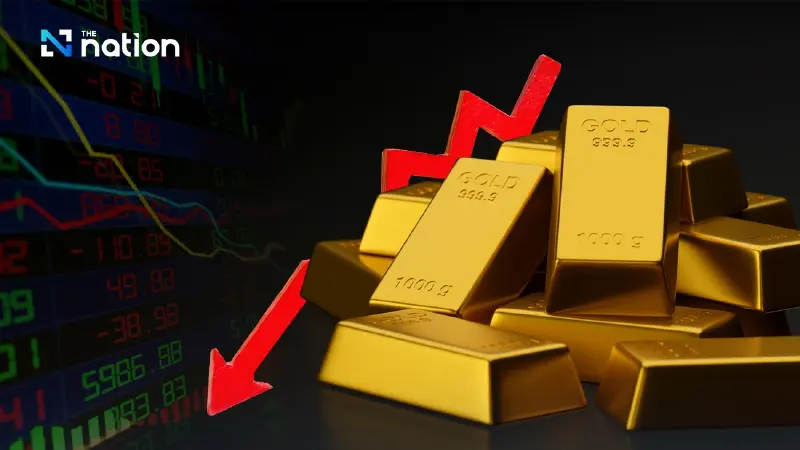


Global gold prices fall as US dollar strengthens and oil surges, fuelling inflation fears and expectations of prolonged high interest rates
Global gold prices fell sharply on Thursday (April 2) as a stronger US dollar and rising oil prices weighed on investor sentiment, while escalating geopolitical tensions added to concerns over persistent inflation and higher interest rates.
According to reports by Reuters and CNBC, spot gold dropped 3.6% to US$4,587.55 per ounce overnight, retreating after briefly touching a two-week high earlier in the session. Meanwhile, US gold futures declined 2.7% to US$4,679.70.
The downturn followed remarks by US President Donald Trump, who said Washington would continue its military strikes against Iran, including energy-related targets. His comments heightened fears that the conflict could prolong inflationary pressures, reinforcing expectations that interest rates may remain elevated.
A rapidly strengthening US dollar also added pressure on gold, making the precious metal more expensive for holders of other currencies and dampening global demand.
“Markets are closely watching Trump’s statements, and so far there are few signs of any near-term resolution to the energy situation,” said David Meger, director of metals trading at High Ridge Futures. He added that the current environment is weighing not only on gold but also on silver, as the likelihood of interest rate cuts appears to be diminishing.
In a televised address, Trump said US military operations in Iran were nearing their objectives but stopped short of offering a clear timeline for ending the conflict, which has now stretched beyond a month. He also issued a stark warning that Iran could be bombed “back to the Stone Age,” signalling continued escalation.
Following his remarks, oil prices climbed further. Rising energy costs have intensified broader inflation concerns, leaving central banks with less room to ease monetary policy.
Although gold is traditionally viewed as a hedge against inflation, it tends to come under pressure in high interest rate environments, as it does not yield returns like interest-bearing assets. Spot gold has now fallen 13% since the Iran conflict began on February 28.
Investor sentiment was also affected by developments in Turkey, where the central bank reduced its gold reserves by 69.1 tonnes to 702.5 tonnes last week. This follows a total reduction of more than 118 tonnes over the past two weeks, as authorities attempt to stabilise markets amid the ongoing conflict.
In Asia, market dynamics showed mixed signals. Gold traded at a premium in India for the first time in two months, as lower prices encouraged buying interest. In contrast, premiums in China edged lower, with buyers holding back in anticipation of deeper price corrections.
