
Myanmar reopens Myawaddy checkpoint, lifting Thai trade hopes
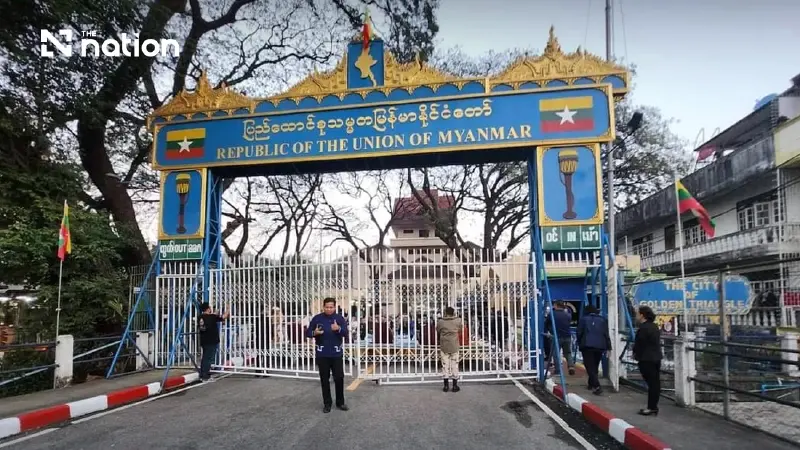


Myanmar’s reopening of the Myawaddy checkpoint opposite Mae Sot is expected to support Thai exports in the second half of 2026, although import rules remain a key hurdle.
- Myanmar reopened the key Myawaddy border checkpoint on May 28, 2026, a major trade gateway that had been closed since August 2025, raising hopes for a revival in Thai exports.
- The reopening is expected to create opportunities for Thai businesses to restore exports of consumer goods, construction materials, vehicles, and industrial products to Myanmar.
- Despite the positive development, the recovery of trade remains challenged by Myanmar's strict import control measures, such as its import licence and Export Earning Matching systems, which could slow trade flows.
Thailand-Myanmar border trade is showing signs of improvement after Myanmar reopened the Myawaddy checkpoint, creating an opportunity for Thai businesses to revive exports of consumer goods, construction materials, electrical appliances, vehicles and industrial products.
However, the Department of Foreign Trade (DFT) has urged exporters to closely monitor Myanmar’s import control measures, particularly the import licence system and Export Earning Matching, as these rules could affect purchasing power and trade flows in the second half of 2026.
Myanmar’s Myawaddy reopening raises hopes for Thai exports
DFT director-general Arada Fuangtong explained that Myanmar resumed operations at the Myawaddy checkpoint, opposite the Second Thai-Myanmar Friendship Bridge in Mae Sot district of Tak province, on May 28, 2026. The checkpoint had been unilaterally closed by Myanmar since August 18, 2025.
The reopening is regarded as a positive signal for Thailand-Myanmar border trade, as the route is a key trade gateway linking goods transport to Myanmar’s main economic areas.
It is expected to give Thai operators a chance to restore exports of consumer goods, construction materials, electrical appliances, vehicles and automotive parts, as well as industrial goods that remain in strong demand in Myanmar.
Although the reopening should improve logistics and reduce transport costs, the recovery of border trade will still depend on Myanmar’s import control measures.
The import licence system is linked to importers’ Export Earning quotas. Importers must either have sufficient Export Earning rights or be matched with an operator who has enough quota before import approval can be considered. As a result, procedures may take longer, while some products still require case-by-case approval.
Import licence system remains a bottleneck
Arada noted that although transport-related restrictions had begun to ease, Myanmar’s import regulations, foreign-exchange management and Export Earning Matching system remain key factors influencing import decisions and private-sector purchasing power.
These factors will be crucial in determining the direction of Thailand-Myanmar border trade in the second half of 2026.
DFT data show that Thailand-Myanmar border trade through Mae Sot Customs Checkpoint declined in January-April 2026 compared with the same period of the previous year, because of the border situation and Myanmar’s import control measures.

Thailand to push for smoother trade in second half
The reopening of the Myawaddy checkpoint is expected to support a recovery in trade during the second half of 2026, particularly for food, beverages, medicines, consumer goods, construction materials, fuel and industrial products that are essential to daily life and production in Myanmar.
The DFT will continue to push for trade facilitation between Thailand and Myanmar and plans to raise the issue with Myanmar’s Ministry of Commerce at the Thailand-Myanmar Joint Trade Committee (JTC) meeting.
The meeting, to be organised by the Department of Trade Negotiations at the Commerce Ministry later this year, will seek ways to ease trade obstacles and increase flexibility in the Export Earning system, so import approvals can become faster and more efficient.
The DFT will also closely monitor the reopening of the Myawaddy checkpoint, Myanmar’s trade measures, its foreign-exchange management policy and the impact of border goods-control measures imposed by Thailand’s Defence Ministry.
Mae Sot district in Tak province has been designated as one of the controlled areas for imports and exports as part of efforts to prevent and suppress scam operations.
The department will coordinate with relevant agencies to facilitate trade, reduce export barriers for Thai businesses and help Thailand-Myanmar border trade return to steady and sustainable growth.
