
Gold surges as weaker dollar and Hormuz hopes lift demand
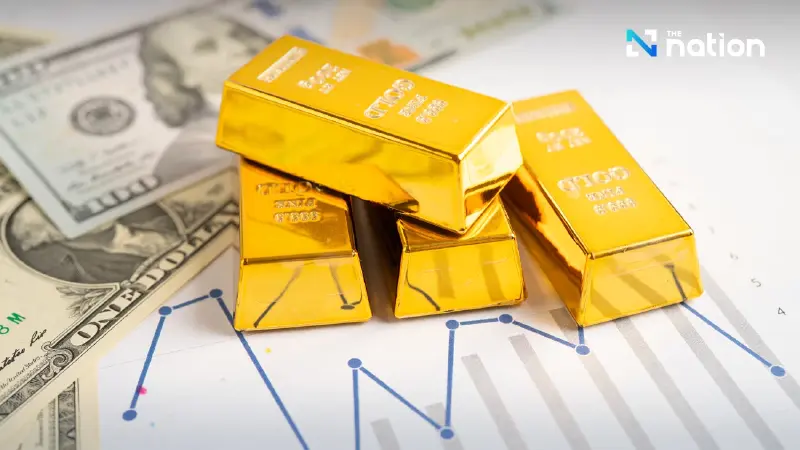


Gold posted its strongest daily rise since February as falling US yields, a softer dollar and progress on a Hormuz shipping route supported prices
- Gold prices surged by over 4%, the largest daily gain since February, driven by a weaker U.S. dollar that made the metal cheaper for foreign buyers.
- Optimism surrounding diplomatic talks with Iran and a proposed temporary shipping channel through the Strait of Hormuz also boosted demand.
- The prospect of renewed shipping in the Strait of Hormuz lowered oil prices, which eased inflation concerns and reduced the likelihood of aggressive interest rate hikes that typically dampen gold's appeal.
- Falling U.S. Treasury yields, influenced by weak private-sector employment data, further increased the attractiveness of non-yielding gold.
Gold prices surged by more than 4% on Wednesday (August 5), recording their strongest daily advance since February as a weaker US dollar and falling Treasury yields increased the appeal of the non-yielding precious metal.
Spot gold gained 4.4% to US$4,253.36 an ounce, its highest level in nearly seven weeks. US gold futures for December delivery settled 3.7% higher at US$4,305.20 an ounce.
The rally was also supported by optimism over diplomatic efforts involving Iran and a proposed shipping route through the Strait of Hormuz, which could allow some energy shipments to resume.
Independent metals trader Tai Wong said two consecutive days of falling bond yields and the dollar’s decline during the week had cleared the way for further gains in gold and silver.
The US currency traded close to a three-month low against the Japanese yen, making dollar-denominated gold less expensive for buyers using other currencies. The yield on the benchmark 10-year US Treasury note was near a one-week low.

Weak employment data pushes yields lower
US private-sector employers added 44,000 jobs in July, below economists’ forecast of 70,000, according to the ADP employment report.
The weaker reading added to pressure on Treasury yields, but Federal Reserve officials continued to warn that inflation remained above the central bank’s 2% target.
Kansas City Federal Reserve Bank president Jeff Schmid said tighter monetary policy would be required to bring inflation down, although he did not specify when or by how much rates should rise.
Minneapolis Fed president Neel Kashkari also repeated his support for a series of small interest-rate increases to contain inflation.
Traders priced in an estimated 57% probability of a rate increase at the Fed’s September meeting, according to the CME FedWatch Tool.
Higher interest rates generally reduce the appeal of gold because bullion does not pay interest.

Hormuz talks ease oil and inflation concerns
US President Donald Trump said his administration had held “very good discussions” with Iran, strengthening hopes of progress towards ending the five-month conflict.
Iran separately announced that it had reached a preliminary agreement with Oman on the coordinates of a temporary shipping channel through the Strait of Hormuz.
The proposed route could allow some energy shipments to resume through the strategically important waterway, although the arrangement remained subject to further approval and negotiation.
Iranian Deputy Foreign Minister Kazem Gharibabadi told local media that the temporary route could operate for two to four months.
“This understanding does not mean that the strait will be fully reopened,” he said.
The prospect of renewed shipping pushed oil prices lower, easing some concerns that elevated energy costs would intensify inflation and force the Fed to raise interest rates more aggressively.
Gold had lost nearly one-fifth of its value since the US-Iran war began in late February. The conflict drove energy prices higher, increased inflationary pressure and strengthened expectations that US borrowing costs would remain elevated.
Gold holds gains in Asian trading
Spot gold added a further 0.4% to US$4,262.66 an ounce at 7.31am Singapore time on Thursday (August 6).
Bullion was trading at about US$4,260 after gaining approximately 4.1% during the previous session, its largest rise since February 3.
Silver rose 0.1% to US$62.14 an ounce after climbing by more than 4% in the previous session. Platinum and palladium also advanced.
South Korea’s central bank also announced plans to establish a framework with domestic producers, Korea Exchange and Korea Securities Depository to purchase locally produced gold at international market prices.
Reuters reported that the plan would represent the Bank of Korea’s first gold purchase in 13 years and was intended to diversify its supply sources and strengthen its foreign reserves.
