
Most Thais addicted to unhealthy, extreme-flavoured foods: survey
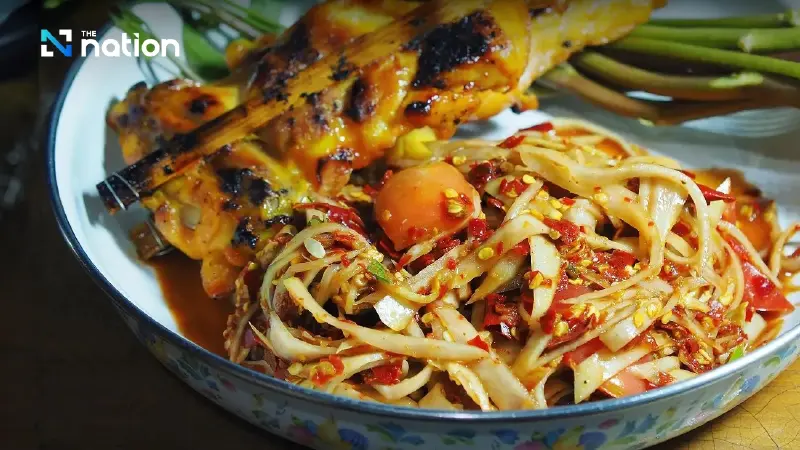


Most Thais regularly consume overly sweet, salty, and fatty foods, with poor nutrition knowledge contributing to rising chronic diseases, a DHS survey finds.
A recent survey by the Department of Health Service Support (DHS) has revealed that the majority of Thai people are addicted to extremely unhealthy foods that are overly salty, fatty, or sweet, according to the DHS chief on Sunday.
Online Survey Highlights Alarming Eating Habits
Dr Panuwat Parnket, Director-General of the DHS, said the survey was conducted online in February among 52,717 people, in collaboration with a network of health volunteers across the provinces.
Key findings of the survey include:
- Frequent consumption of sweet foods and drinks:
- 50.89% of respondents consumed sweet foods or beverages at least three times a week.
- Additionally, 56.22% regularly drank high-sugar beverages such as milk tea, iced coffee, or fruit juices.
- High intake of fatty foods:
- 45.57% reported eating fatty foods at least three times per week.
- 52.24% preferred fried dishes or fast food high in fat content.
- Regular consumption of salty foods:
- 49.91% ate salty foods at least three times a week.
- A notable 65.11% said they enjoyed dishes like somtam (traditional northeastern papaya salad), yam (sour and spicy salads), and larb (a spicy, sour and salty minced meat salad popular in the northeast).
Poor Diet Linked to Chronic Diseases
Dr Panuwat explained that the survey was prompted by growing concern that Thai people’s unhealthy eating habits are contributing to the rise of non-communicable diseases, such as diabetes, hypertension, and cardiovascular conditions.
Nutritional Knowledge Still Lacking
Dr Adisorn Wanthanasak, Deputy Director-General of the DHS, added that the survey results also showed worrying gaps in nutritional knowledge.
Only 15.15% of respondents had a good understanding of the health risks associated with salty foods, compared to 59.54% who were knowledgeable about the dangers of sugary and fatty foods.
Most Thais Avoid Asking for Less Seasoning
Dr Adisorn further noted that most Thais tend to buy food from stalls or small shops and are often reluctant to ask vendors to reduce seasoning—fearing it might spoil the taste or be seen as disrespectful. This contributes to continued unhealthy dietary habits.
