
PM2.5 levels ease slightly in Bangkok, but several districts stay elevated


Play
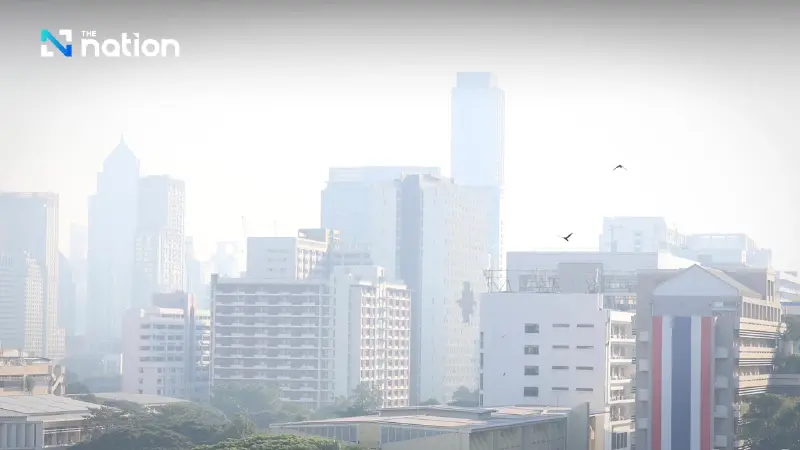
Bangkok’s 7am PM2.5 average was 37.3 µg/m³, with Sathon the highest at 47.7 µg/m³, prompting mask and outdoor-activity warnings.
- Bangkok's citywide average PM2.5 level was 37.3 µg/m³, just below the standard safety threshold of 37.5 µg/m³.
- Despite the citywide average, several districts recorded elevated pollution levels, with some areas rated as "orange," meaning the pollution was beginning to affect health.
- The districts with the highest PM2.5 readings included Sathon (47.7 µg/m³) and Chatuchak (47.6 µg/m³), well above the standard threshold.
Bangkok Air Quality Data Centre reported PM2.5 levels across the capital at 7am on Sunday (December 21).
The citywide average stood at 37.3 micrograms per cubic metre (µg/m³), just below the standard threshold of 37.5 µg/m³.
Highest PM2.5 readings by district (top 12)
- Sathon – 47.7 µg/m³
- Chatuchak – 47.6 µg/m³
- Bang Rak – 45.7 µg/m³
- Nong Khaem – 45.6 µg/m³
- Lat Krabang – 45.1 µg/m³
- Phasi Charoen – 44.6 µg/m³
- Min Buri – 44.1 µg/m³
- Bang Kho Laem – 41.9 µg/m³
- Pathum Wan – 41.7 µg/m³
- Thon Buri – 41.7 µg/m³
- Bang Sue – 41.6 µg/m³
- Bang Khen – 40.8 µg/m³
Area breakdown
- North Bangkok: 32.1–47.6 µg/m³ — starting to affect health
- East Bangkok: 30.5–45.1 µg/m³ — moderate
- Central Bangkok: 29.6–38.5 µg/m³ — moderate
- South Bangkok: 28.5–47.7 µg/m³ — moderate
- North Thonburi: 35.5–41.7 µg/m³ — starting to affect health
- South Thonburi: 33.0–45.6 µg/m³ — starting to affect health
Overall, PM2.5 levels were expected to ease, with Bangkok’s air quality assessed as moderate (yellow). However, some areas remained in the orange level, meaning pollution was beginning to affect health.
Health advice
General public:
- Wear a PM2.5 mask when outdoors.
- Limit time outside, especially strenuous outdoor activities or exercise.
- Watch for symptoms such as coughing, breathing difficulty, or eye irritation.
At-risk groups:
- Wear a PM2.5 mask whenever outdoors.
- Avoid strenuous outdoor activity.
- Follow medical advice, and seek medical attention promptly if symptoms appear.
