
Swamp algae or “green caviar” gains traction as global demand for plant-based protein surges
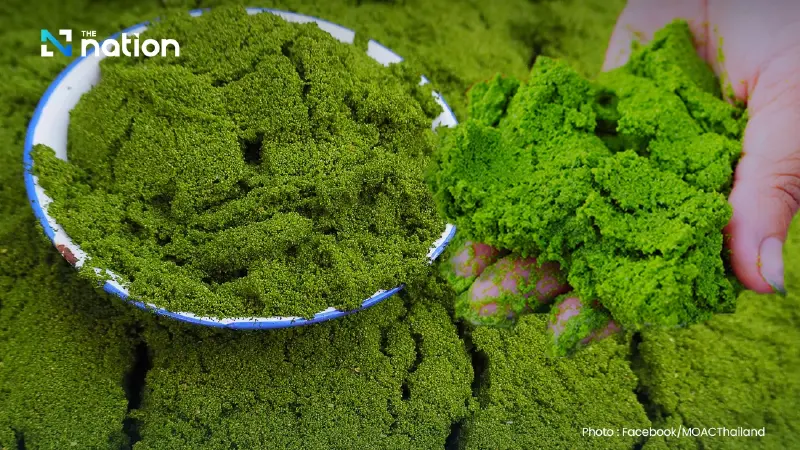


Khai Pham, or swamp algae, is Thailand’s new superfood. Rich in protein and vitamin B12, it’s gaining global attention for its health and sustainability benefits, with the market expected to hit USD 244.8 million by 2034
Khai Pham (swamp algae or green caviar) is emerging as one of Thailand’s most promising superfoods, benefiting from the rising global trend in plant-based protein. According to Kasikorn Research Center, the global market value for plant-based proteins derived from aquatic plants such as duckweed, wolffia, and Khai Pham is projected to reach USD 98.9 million in 2025, and expand to USD 244.8 million by 2034, representing a compound annual growth rate (CAGR) of 10.6%.

In Thailand, Khai Pham is proving to be a highly profitable crop. KResearch reports that it can generate up to THB 49,600 per rai per year, outperforming major cash crops such as palm oil, cassava, sugarcane, rubber, and rice — though still below durian, which averages around THB 100,000 per rai per year. Remarkably, Khai Pham can be harvested just two weeks after cultivation, offering farmers a rapid return on investment.

Nutritionally, Khai Pham is rich in protein — up to 50% of its dry weight — and packed with vitamin B12, a nutrient typically found in animal-based foods. Just one cup of Khai Pham provides as much vitamin B12 as 12 chicken eggs, making it an attractive source of nutrition for vegetarians, vegans, and health-conscious consumers.
The rising popularity of Khai Pham aligns with three key global trends:
- A growing focus on health and wellness
- Increased support for sustainable food sources
- EU recognition of Khai Pham as a safe and credible food ingredient
With its strong nutritional profile, quick cultivation cycle, and sustainability appeal, Khai Pham is positioning itself as Thailand’s next “green gold” — a high-value, eco-friendly superfood with strong export potential.
