
Thai FDA classifies weight-loss pens as specially controlled medicines
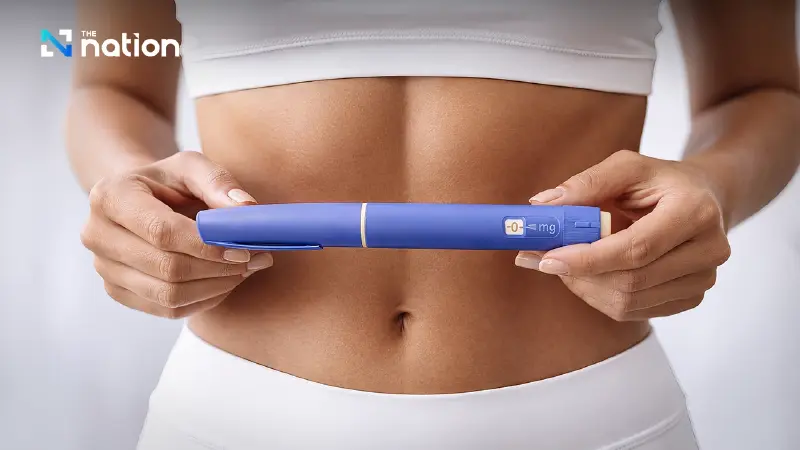


Thailand’s FDA has tightened controls on injectable GLP-1 drugs amid rising misuse of “weight-loss pens” on social media, warning of serious health risks and stressing they must now be dispensed only on a doctor’s prescription.
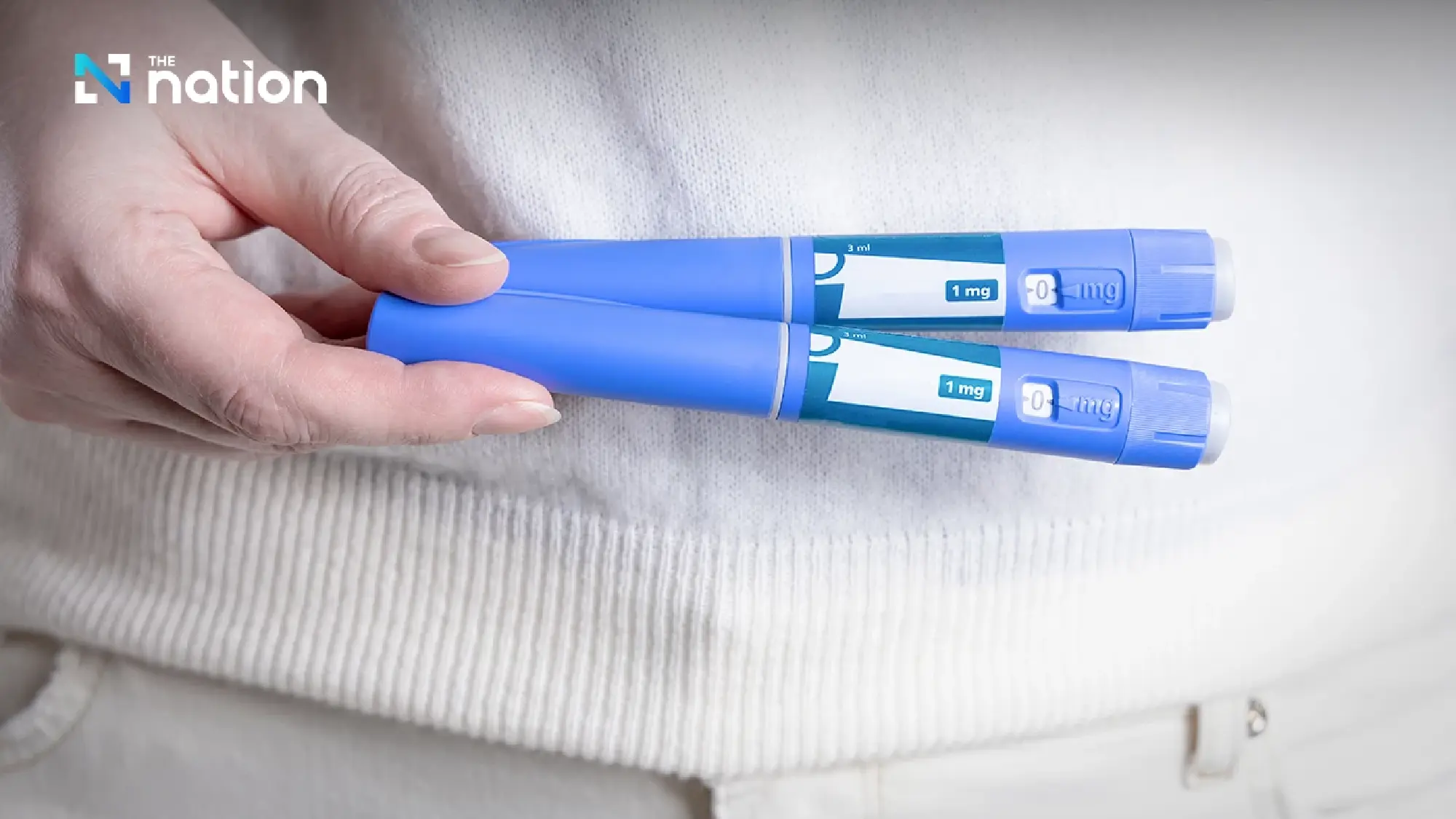
Thailand’s Food and Drug Administration has moved to tighten control over so-called “weight-loss pens”, warning that the growing misuse of injectable GLP-1 medicines for cosmetic slimming could pose serious health risks.
Supatra Boonserm, secretary-general of the Food and Drug Administration, said the products had been increasingly promoted on social media, with members of the public using them for weight loss without medical advice and, in some cases, adjusting doses and injection methods on their own.
FDA warns against misuse
Supatra said such practices could be dangerous to health and stressed that GLP-1 receptor agonists, or GLP-1 RAs, including semaglutide, liraglutide, dulaglutide, lixisenatide and tirzepatide, were approved only for the treatment of type 2 diabetes and for weight control in people with obesity under a doctor’s diagnosis and prescription.

She said the medicines were not intended to be used as weight-loss drugs for cosmetic purposes.
According to the FDA, improper self-use or stopping the medicine without medical advice may initially reduce appetite and lead to weight loss, but could also result in rapid weight regain, or the yo-yo effect, as well as serious side effects.
Serious side effects highlighted
Supatra warned that possible adverse effects included low blood sugar, pancreatitis, kidney failure, depression and muscle wasting. In severe cases, especially among people with underlying medical conditions, misuse could become life-threatening.

Although the FDA has continuously taken legal action against those who illegally advertise or sell the products, it said misuse has continued.
Injectable GLP-1 drugs now under tighter control
To strengthen consumer protection, the Ministry of Public Health has issued Public Health Ministry Announcement on Specially Controlled Drugs No. 58, classifying injectable glucagon-like peptide-1 medicines as specially controlled drugs.
Under the new measure, the drugs may be dispensed only with a doctor’s prescription.
Supatra said the move was intended to ensure that people who need the medicine use it appropriately under proper medical supervision.
No shortcut to safe weight loss
She also urged the public not to believe advertising claims such as “inject it and get slim”, saying there was no shortcut to safe and sustainable weight loss.
Proper weight management, she said, should rely on a suitable diet, adequate rest, regular exercise and ongoing mental health care, rather than self-medicating with injectable products.
For maximum safety, she said, people should not buy weight-loss injections for self-use.

Access unchanged for patients who need the drug
Supatra said the stricter controls would not affect patients with diabetes or people with obesity who genuinely need the medicine, as they would still be able to access it as normal.
Instead, she said, the tougher classification would help ensure the drugs were used appropriately, safely and with maximum effectiveness.
Public asked to report suspicious sales
The FDA also called on the public to report suspicious advertisements or sales of health products through the FDA hotline 1556, Line: @FDAThai, Facebook: FDAThai, or provincial public health offices nationwide.
Supatra said the tighter control was aimed at protecting consumers in a sustainable way while ensuring the medicine remained available for those who truly need it.
