
Chiang Mai chokes as PM2.5 hits extreme levels, visibility collapses
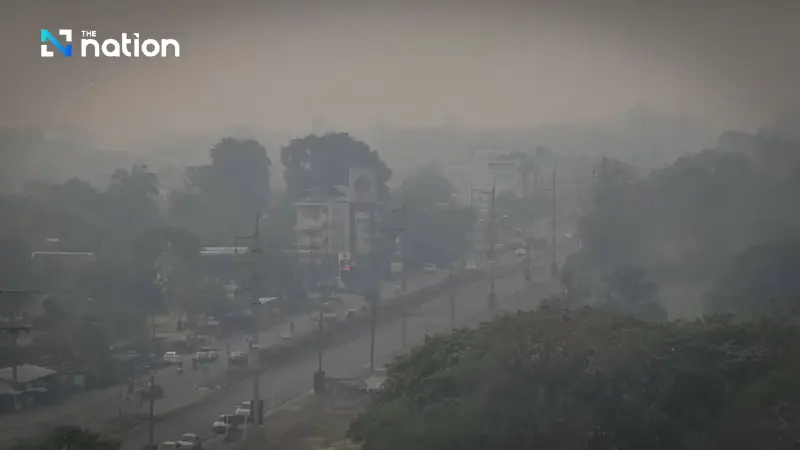


PM2.5 in Chiang Mai surges past 400 µg/m³, triggering severe health warnings as thick haze blankets the city and visibility drops sharply
Chiang Mai has been engulfed in a severe air pollution crisis, with PM2.5 levels surging to
On April 4, PM2.5 concentrations at Nakornping Hospital reached as high as 409 micrograms per cubic metre at 9am, a level considered extremely dangerous to human health.

Images released from the hospital showed the surrounding area blanketed in dense haze, with visibility deteriorating to the point where nearby buildings were barely visible. The conditions highlight the severity of the pollution gripping northern Thailand.
Health officials warned that the situation has already begun to affect patients, particularly those in vulnerable groups. Many have reported breathing difficulties, as the toxic haze continues to intensify throughout the day.

Authorities are urging residents to take immediate precautions. These include avoiding outdoor activities altogether, especially exercise or prolonged exposure in open areas, as this could significantly increase the amount of fine particulate matter inhaled into the lungs.
Wearing properly fitted N95 masks has been strongly recommended for anyone who must go outside, as standard surgical masks are not effective in filtering PM2.5 particles. Residents are also advised to create “safe zones” indoors by sealing windows and using air purifiers to reduce indoor pollution levels.
People experiencing symptoms such as coughing, chest tightness, eye irritation or difficulty breathing are being advised to seek medical attention immediately. Those with underlying conditions, including heart and respiratory diseases, are considered at highest risk and are urged to remain in protected indoor environments.
The situation reflects a broader and recurring challenge for northern Thailand, where seasonal haze and air pollution continue to pose serious public health risks. Officials stress that the current crisis is not only an environmental issue but also a long-term threat to quality of life, requiring sustained and coordinated solutions beyond short-term measures.
