
Thailand performs first robot-assisted kidney transplant from brain-dead donor
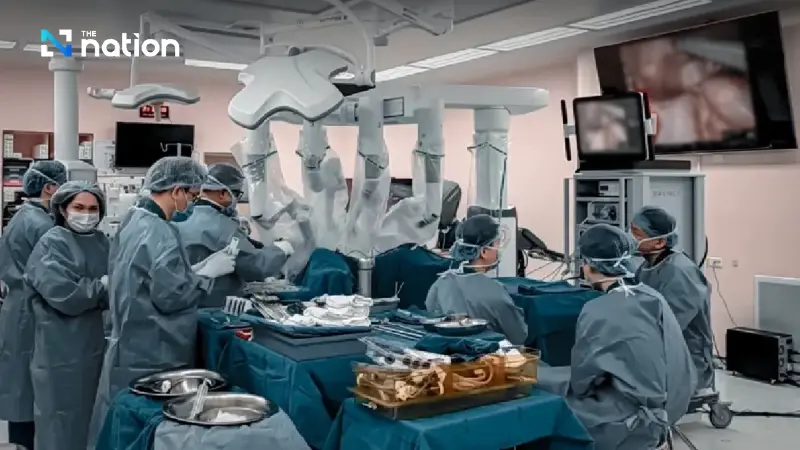


Rajavithi Hospital has carried out Thailand’s first robot-assisted kidney transplant from a brain-dead donor, marking a major advance in precision surgery and organ transplantation.
Department hails milestone in precision medicine
Thailand has recorded a major medical milestone after Rajavithi Hospital successfully performed the country’s first robot-assisted kidney transplant from a brain-dead donor.
Dr Nutthapong Wongwiwat, director-general of the Department of Medical Services, said the operation reflected the Ministry of Public Health’s drive to upgrade advanced medical technology, particularly robotic surgery and organ transplantation.
He said the department was focusing on high-precision treatment to improve surgical accuracy, reduce complications and expand access to complex specialist care. The success also supports Thailand’s ambition to strengthen its position as an international medical hub.

Two centres of excellence join forces
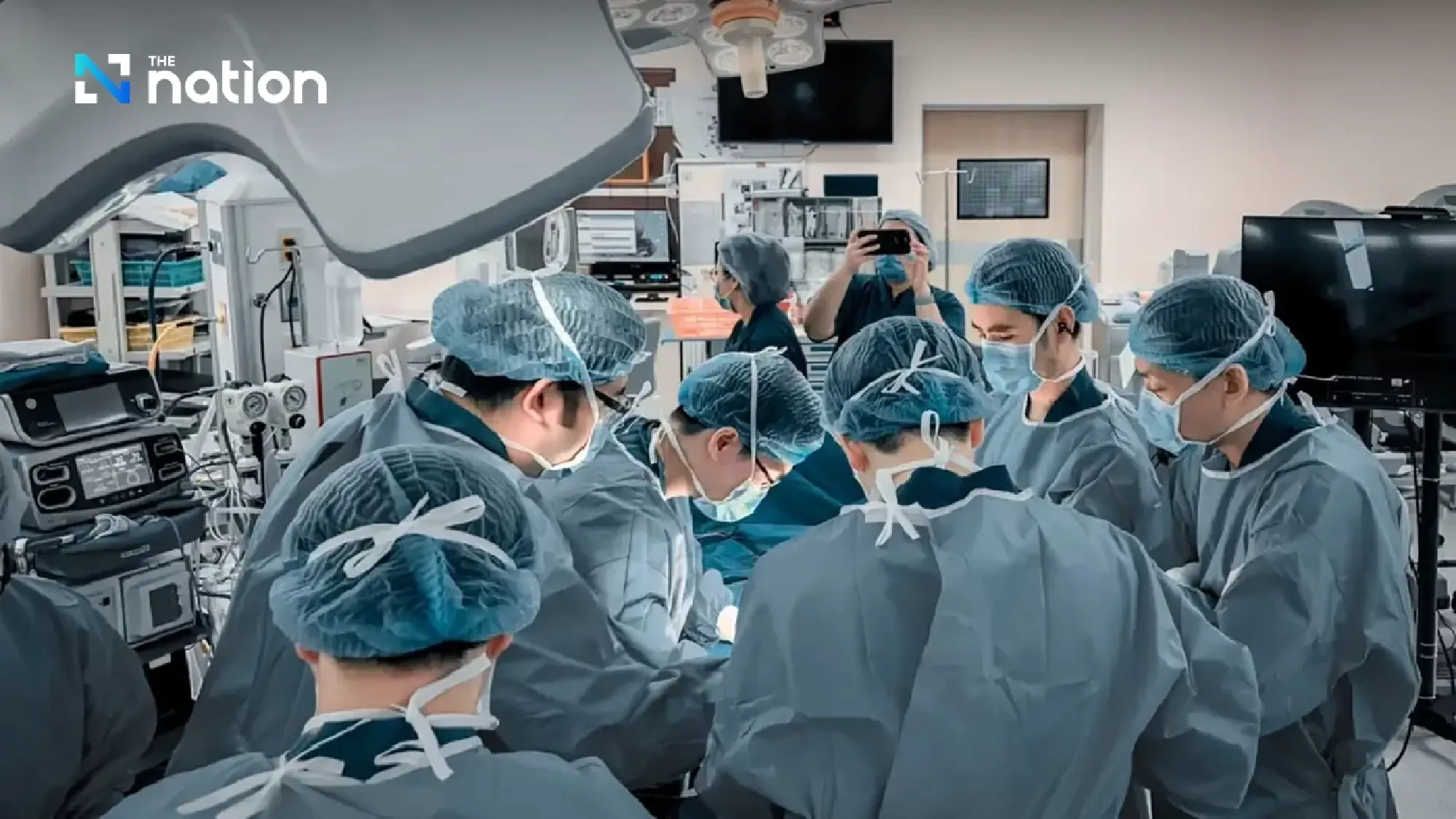
Dr Sakarn Bunnag, deputy director-general of the Department of Medical Services, said the historic surgery was made possible through cooperation between two Rajavithi Hospital centres of excellence: the Centre of Excellence in Robot-Assisted Urological Surgery and the Centre of Excellence in Organ Transplantation.
The operation was led by the hospital’s urological surgeons, nephrology specialists and a multidisciplinary medical team.
Dr Sakarn said kidney transplantation from a brain-dead donor involves strict time limits, making precise coordination essential. Careful time management enabled the team to complete the surgery safely, with the transplanted kidney functioning well. The patient later recovered and was able to return to normal life.

Robotic technology offers clearer view, smaller wounds
Asst Prof (Special) Dr Tanet Thaidumrong, head of urological surgery at Rajavithi Hospital, said the operation built on the hospital’s experience in more than 400 robot-assisted urological surgeries and more than 449 successful kidney transplants.
He said robotic technology offers important advantages over conventional open surgery. The 3D high-definition robotic camera allows surgeons to see small blood vessels and tissues in far greater detail, with magnification of more than 30 times. The robotic arms also provide greater flexibility, as they can rotate in multiple directions.
The technique requires only small incisions of a few centimetres for surgical instruments, plus an incision of about 6-7 centimetres to place the kidney inside the body. This can help reduce complications, lower the risk of wound infection and cut the chance of future abdominal hernia.

Public urged to register as organ donors
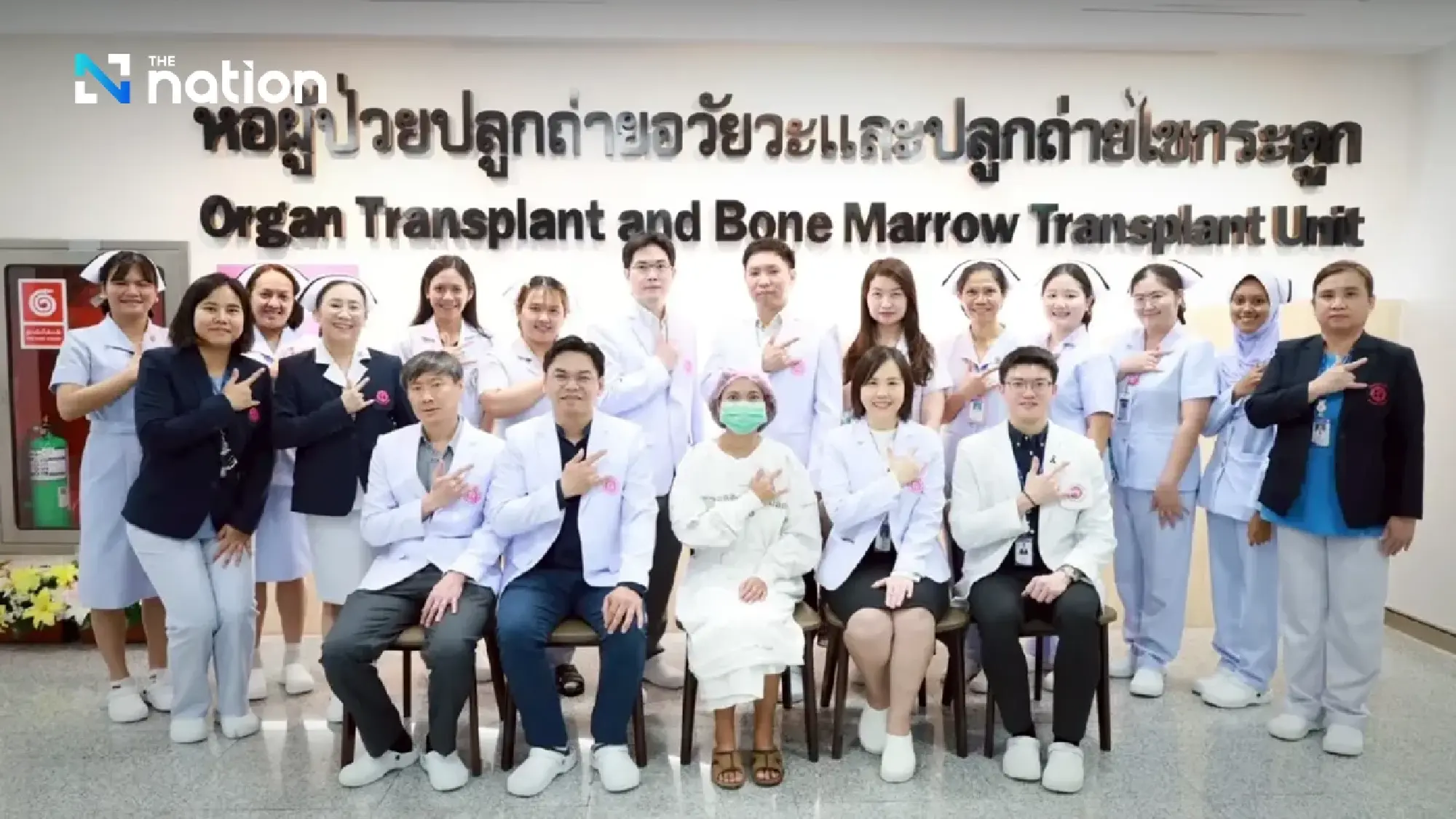
Dr Korntip Phonphok, secretary of the Public Health Ministry’s Service Plan for organ donation and transplantation, said kidney transplantation gives patients with end-stage chronic kidney disease much better outcomes than dialysis and allows them to regain a quality of life close to normal.
However, more than 8,000 patients are still registered and waiting for organ transplants. She urged people to express their intention to donate organs through hospitals, ID card service points, driving licence service points, the “MohPrompt” app, the National Health Commission Office’s e-Living Will platform, and the Thai Red Cross Society’s Organ Donation Centre and Eye Centre.

