
Critical hantavirus patients evacuated as Andes strain confirmed
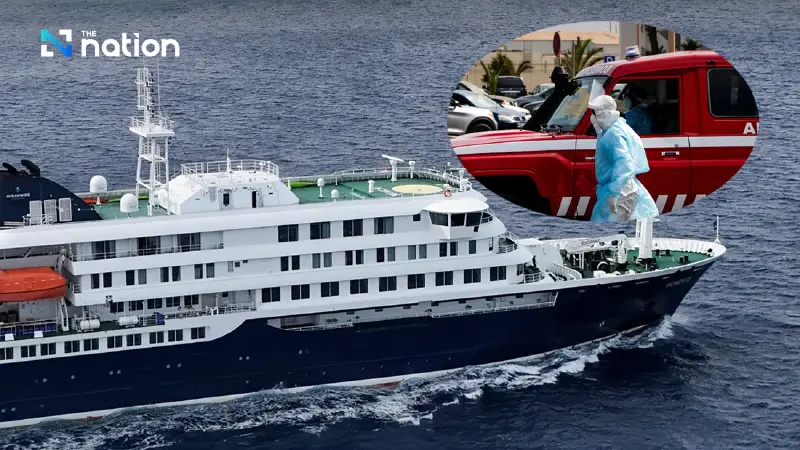


Critically ill patients from the MV Hondius have been evacuated to the Netherlands as tests confirm the Andes strain of hantavirus, which can spread through close human contact.
Two critically ill patients from the MV Hondius cruise ship have been evacuated to the Netherlands for urgent treatment after a hantavirus outbreak linked to the vessel left three people dead and raised concern over a rare strain capable of spreading between humans.
Oceanwide Expeditions, the operator of the ship, moved the patients for emergency medical care, while laboratory findings have added to concern over the nature of the virus involved in the outbreak.

Scientists focus on Andes strain
Scientists worldwide are now closely watching laboratory findings from South Africa’s National Institute for Communicable Diseases, which confirmed that the virus detected in patients was the Andes strain.
The strain originates in Latin America and is considered particularly concerning because it can spread from person to person through close contact. This differs from many other hantavirus strains, which are usually transmitted to humans through rodents.
At present, three infections have been confirmed, with five other suspected cases among 146 passengers still on board under strict quarantine measures.
The World Health Organisation (WHO) has reported one confirmed infection in a passenger who returned to Switzerland, while the United States and Britain are closely monitoring and quarantining passengers who were on the same voyage.

Dispute over docking in the Canary Islands
The MV Hondius is now heading for Tenerife in Spain’s Canary Islands after receiving approval from the Spanish central government.
However, the decision has triggered a domestic political dispute, with the president of the Canary Islands’ autonomous government strongly opposing the move over concerns for local public safety.
Spain’s health minister has insisted that a plan is in place to immediately repatriate foreign passengers, while Spanish nationals will be transferred to a military hospital in Madrid for quarantine to prevent contact with the public.
The evacuation of patients and the confirmation of the Andes strain have underscored the complexity of the situation, which is no longer limited to controlling animal carriers. Authorities are now dealing with a virus whose transmission pattern may involve close human contact.
The success of efforts to contain the outbreak will now depend on the effectiveness of intensive cross-border contact tracing.
The broader question is whether, in a crisis where public health security collides with local political confidence, international standards set by the WHO can serve as a decisive basis for action when time is critical.
