
Seven community-based tourism projects planned in Myanmar


Play
YANGON - Country to capitalise on natural and cultural resources to alleviate poverty
Myanmar’s first community-based tourism (CBT) project, one of seven planned, is up and running in Magway region, much to the delight of local residents.
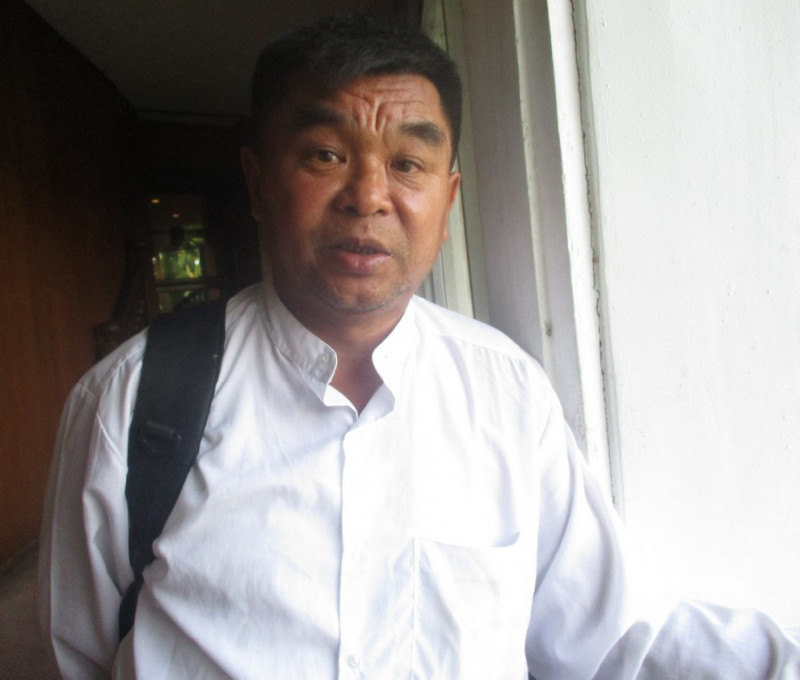
At a recent launch event here, community leader San Htun said the members of four villages joining the scheme threw full support to the project implemented by ActionAid Myanmar and Journey Adventure Travel Co.
Lack of rain made it nearly impossible to grow plants. Some young women had to seek jobs in cities, with some girls working at beer shops.
A talk with an ActionAid officer three years ago resulted in this project. With help from Journey Adventure Travel, the first 150 visitors arrived in January, contributing US$10 (Bt356) per head to the community development fund. Villagers also look to earn more through the sale of handicrafts, fresh fruits, traditional wear, souvenirs and local food.
The project expects 1,500 visitors this year, generating some $15,000 to improve infrastructure and social welfare. A small power project is planned for later this year.
“We do not have many things to show. We aim to show our friendliness, hospitability, our way of life and how we earn our living. So we mainly aim for receiving foreign visitors,” he said.
During a one-night stay, visitors experience traditional meals, typical food, local businesses and souvenir shops, biking, planting trees and entertainment programmes including traditional dances and musical instruments.
San Htun was glad that young women have returned home to help.
Lee Sheridan, general manager of Journey Adventure Travel, said the firm had received a lot of positive feedback from its customers, so it spent in excess of $55,000 for the project this year.
The second project will involve villages in Bagan, which welcomed more than 300,000 visitors in 2014.
“If a tourist merely spends $30 for food while in Bagan, it will be $9 million per year. Even if one in nine goes to local food producers, it will generate $1 million income for villagers,” said ActionAid country director Shihab Uddin Ahamad.
Tourism has been the organisation’s focus to generate income for women and youth.
Khin Than Win, Hotels and Tourism Ministry’s director for tourism promotion, said Myanmar plans to work on seven such projects in four states and two regions this year to create new destinations.
“We have many interesting places and culture heritages, particularly in Bagan and Mandalay. We aim to promote cultural tourism. Some tourists prefer enjoying their own experience in the countryside, observing the culture and ways of life of rural people,” she said.
Other projects involve tours to see the Ayeyarwaddy dolphins in Mandalay, with help from the Wildlife Conservation Society.
Others will be implemented in ethnic areas – Pa-O village in Shan state to be implemented by Germany’s GIZ, Indawgyi Lake in Kachin state by Fauna & Flora International, Than Taunggyi in Kayin state by the Hanns Seidel Foundation and PeaceNexus Foundation, and Kayah state by the International Trade Centre.
Khin Than Win hopes the projects will play a vital role in poverty reduction in rural areas by creating job opportunities and increasing the locals’ income. This development can be replicated in several more places, like Hpa-an of Kayin state, Kalaw of Shan state and Rakhine state, she said.
Last year, Myanmar attracted 4.7 million visitors.
Tourism Minister Htay Aung said the projects are one of the priorities in the tourism master plan, since the country boasts beautiful scenery and friendly people. “The partnership of 3P – public sector, private sector and people – is really important,” he said.
“The local community has to be involved in the planning process of [tourism] destinations as well as in decision-making. Otherwise, the projects will be incomplete. In case things go wrong, the people of the community will be the victims.”
ActionAid’s Ahamad said it is very important to empower the community before starting CBT to ensure the residents are capable enough to protect themselves from any potential harm.
It is crucial to identify what good culture can be promoted, such as not smoking in public, not drinking alcohol in front of children, planting trees, caring about the environment, respecting women and respecting local culture such as joining meditation.
“The community should not be the subject of the tourism business, rather the actor and co-owner of the business. Achieving human rights depends on the power of the people,” he said.
Partnering with the private sector is crucial to ensure quality services and continuation of the business, and support from the authorities is necessary.
The CBT should encourage agricultural production. The government needs to build linkages with agriculture, fishing, food processing, handicrafts and other services.
Such linkages provide sustainable market opportunities for local suppliers and strengthen local production while offering tourists an authentic cultural exposure.
