
Myanmar to accept baht for border trade
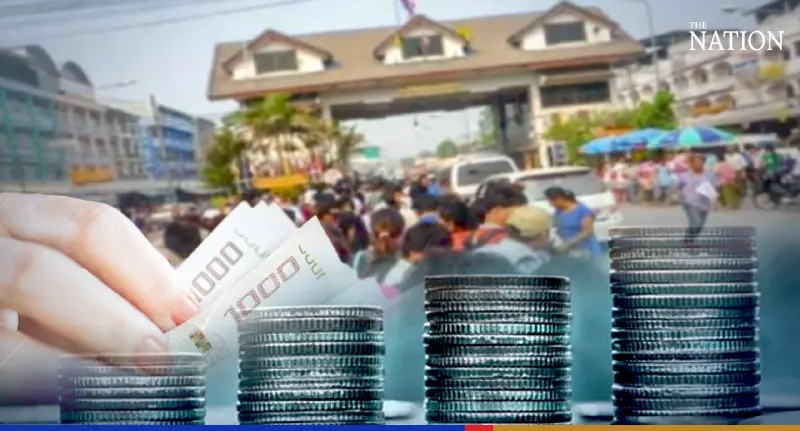


Myanmar will start accepting the Thai baht for border trade transactions, the ministries of information and investment said on Tuesday.
“By reducing dependence on the US dollar, we will mitigate the risk of sudden exchange rate swings due to external geopolitical factors,” the ministries said in a statement, adding the move would help reduce inflation caused by appreciation of the dollar.
The arrangements would also help support economic recovery, the statement said, adding that Myanmar should record “modest” gross domestic product growth in the fiscal year ending October 2022.
Myanmar’s military-controlled government has already said it would accept China’s renminbi as the official currency for trade settlements.
Reuters reported that Myanmar’s economy has slumped since the army overthrew an elected government a year ago and launched a bloody crackdown on opponents, with a struggle to impose order amid widespread civil unrest and armed resistance from pro-democracy militias and ethnic minority rebels.
On March 3, the Central Bank of Myanmar (CBM) announced it would allow the use of the baht and the Myanmar kyat for direct payment at the border in order to “facilitate bilateral trade, the flow of goods, payment and a settlement system and to promote the use of local currency according to the objectives of Asean financial integration”.
The CBM also said importers and exporters who carry out cross-border trade can open bank accounts at designated banks.
These banks must follow guidelines on the process of direct payment in baht/kyat during bilateral trade transactions.
The CBM had issued a similar notification on December 14 last year on the use of the Chinese yuan and the kyat for direct payment at their borders.
Myanmar is also looking to accept the Indian rupee for trade between the two countries.
