
Wave of terror
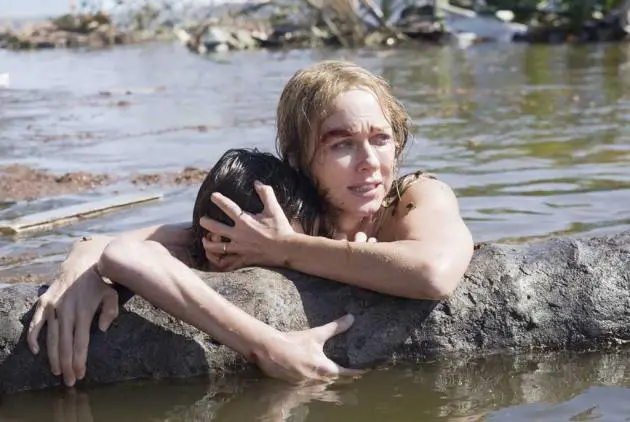


'The Impossible' tells the story of a family caught up in the 2004 tsunami
As families around the world prepare to pay tribute to the loved ones they lost on the eighth anniversary of the devastating tsunami of December 26, 2004 that killed some 240,000 people, Spanish filmmaker Juan Antonio Bayona looks back at the tragedy in the powerful drama “The Impossible”.
Shot mainly in Khao Lak, Phang Nga, over the best part of two years, “The Impossible” premiered at the Toronto Film Festival in September and opened to Spanish audiences on October 11, where it continues to be the top-ranking movie.
Bayona, who made his name with his directorial debut “The Orphanage”, was inspired to make the movie after hearing the story of a Spanish tsunami survivor on the radio during a show marking the third anniversary of the disaster. Maria and her family had been celebrating Christmas in Thailand when the wave hit.
He later contacted the woman and both she and her family have been involved in the project from the very beginning.
Although for “The Impossible” the Spanish family becomes British, their story remains essentially the same. Henry (Ewan MacGregor), Maria (Naomi Watts) and their three sons arrive to celebrate Christmas in Thailand and are relaxing by the hotel pool when the tsunami crashes ashore. Maria, who is seriously injured, is swept along with her eldest son Lucas (Tom Holland ) in one direction, while Henry and the other children are washed away in another. The movie portrays their battles for survival amidst the havoc wreaked by the wave, from devastated hotels to an over-crowded hospital.
“They came to meet me in New York and I felt an affinity with the project from the start. The script is so well written that I felt familiar with the story from page 3. It has a real sense of character, of family,” says Naomi Watts, during a brief press interview between takes at Takua Pa hospital, where hundreds of casualties and dead bodies were sent in the aftermath of the disaster.
MacGregor, who along with Holland, has realistic wounds courtesy of the make-up department, nods in agreement.
“There was something very brutal and simple about the script that appealed to me … the idea of witnessing the horrific event through one family,” he says, as he walks off to shoot another scene.
Mexican production designer Eugenio Caballero, who won an Academy Award for Guillermo del Toro’s fantasy drama “Pan’s Labyrinth”, takes over.
“What happens here in the hospital will portray the quick response of the local people after the tsunami hit. They organised a kind of improvised camp outside the hospital and hundreds of injured people came there,” he explains.
“This is where the story took place at the beginning. We know about the hospital because this is the first place we found when we started doing our research.”
The production designer also shows us round the film set, which includes a debris-covered Bang Sak beach.
Cabellero, who flew to Thailand three times before shooting started, says that local people were very cooperative once they found out “The Impossible” was to be a realistic film.
“This event happened just a few years ago so we had access to a great deal of material. And of course the disaster happened in the digital age, so there are photos and videos that go hand-in-hand with people’s memories. In the beginning, they were a little afraid of showing us the pictures of what happened here because obviously they are visually very shocking,” he says.
Watts and MacGregor agree that shooting in the exact place the wave hit helped them realise the enormity of the disaster and heightened their sensitivity towards survivors who still live in the area.
“I’ve tried very hard not to use the tsunami as a kind of cinematic backdrop. I think we’ve all been very conscious of that. We’ve continued our research even during filming and it’s amazing the amount of new information that has come in every day,” says the director.
While the movie does show an immense wall of water crashing into the couple’s resort, the director has chosen not to use CGI for the fight to survive underwater. Instead, he put Watts and Holland in a giant water tank on the Spanish production set.
“Working in the water was seriously scary, I honestly didn’t feel like acting was involved. I was terrified. That was when I realised how hard it must have been for the people that lived through it,” says the actress.
STORY OF SURVIVAL
“The Impossible” (“2004 Tsunami Phuket”) opens in cinemas on Thursday.
