
The shape of taste
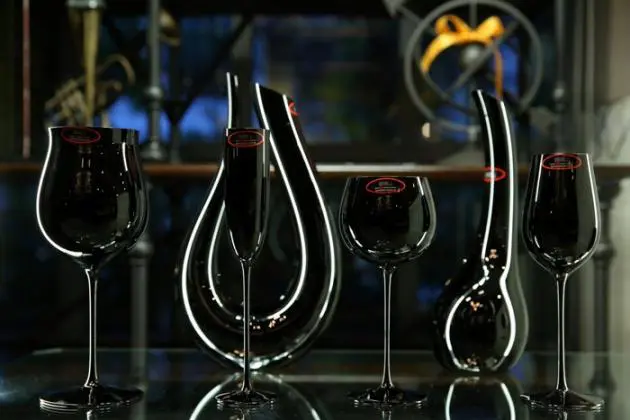


In the right Riedel glass, wine is sublime, as God intended
There are connoisseurs who insist that no one ever enjoyed the real taste of wine until the late 1950s, when Austrian Claus J Riedel developed wineglasses specifically for each grape variety. Until then, wine was invariably sipped – at least in high society – from glasses with thick bottoms, often jewelled.
It was Riedel broke with tradition and introduced sleeker, thinner, crystal-clear glasses. The aim was not just to enhance the experience visually, he proclaimed, at risk of sounding crazy, but to allow the wine’s full aroma, taste, texture and finish to emerge. The shape of the glass “improved” the wine, he said.
And it wasn’t just a marketing ploy, experts and even scientists agree. Wine displays completely different characteristics depending on the glass in which it’s served. The differences can be so great that even connoisseurs can be tricked into believing they’re tasting different wines when in fact there’s only one.
The genius in Riedel’s grape-varietal-specific stemware – finely “tuned” glasses of various sizes, shapes and rim diameters – is in translating wine’s four major “messages” so that our senses can read them perfectly, letting us fully experience the bouquet, texture, flavour and finish. Every kind of grape has its own unmistakable flavour profile and wines can have anywhere from one to four “flavour contributors”, depending on the fermentation process.
So there was keen interest earlier this month when the firm Riedel Crystal in Asia hosted a “wineglass tasting” at the Cellar 11 Wine Bar & Bistro on Sukhumvit Soi 11. Frantz Dumey, a vice president at Riedel, the parent firm in Europe, explained the three types of glasses in its Vitis collection – for pinot noir, cabernet and syrah.
Participants tasted all three in each glass to see for themselves how much difference the glass can make.
The pinot noir, normally acidic, fruit-forward in aroma and low in tannins – seemed to lose its scent and taste more astringent in two of the glasses. The right glass for pinot noir has a slightly bigger bowl to allow the nose to fully appreciate the bouquet, and a flare in diameter so the wine can enter the mouth and coat the palate evenly, hence bringing out the lively acidity.
The Vitis Syrah glass highlights the intense nose, bold flavours and sweet finish of Shiraz wines. It’s narrower that the pinot noir glass, ideal for 90 per cent of an estimated 1,000 different red-grape varieties, including Amarone, Blau Frankisch, Chateauneuf-du-Pape, Hermitage Rouge, Malbec and Pinotage.
In any other glass the Shiraz becomes surprisingly undrinkable, actually unpleasant. Funnily enough, it tastes better from a plastic cup (so now you know what to pour at a picnic when the plastic cups are passed around).
The Vitis Cabernet Sauvignon is perfect for Bordeaux. The large bowl allows both young and older wines to breathe, delivering the full spectrum of aromas and bringing out the depth, not just of cabernet sauvignon but also Merlot and Cabernet Franc. On the palate, the soft, silky texture is intensified and the finish prolonged, gently blending acidity with smooth, sweet tannins.
The Vistis collection includes glasses for red, white and Champagne as well as martinis. All are made in Bavaria, Germany, of lead crystal, machine-blown with a pulled stem.
Find out more at www.Riedel.com.
