
Matcha Mania and Spicy Cravings: Thailand's Food Delivery Trends Reveal Nation's Evolving Palate


From affordable luxury drinks to fiery som tam, LINE MAN data shows Thais embracing both wellness and bold flavours in 2025
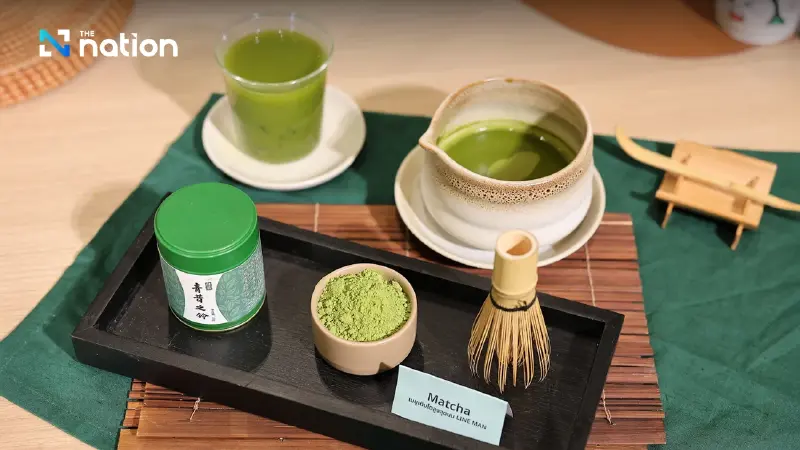
- Matcha has surged in popularity with a 300% increase in orders, establishing it as an "affordable luxury" and a key wellness beverage trend.
- Traditional spicy flavors remain dominant, with spicy papaya salad with pickled crab (tum pu pla ra) becoming the nation's most-ordered dish, surpassing fried chicken.
- The trends reveal a dual consumer preference for both premium, health-conscious items like matcha and traditional, affordable comfort foods like rice and curry.
- A broader shift towards tea-based drinks is evident, with iced green milk tea overtaking black coffee as the platform's most-ordered beverage.
From affordable luxury drinks to fiery som tam, LINE MAN data shows Thais embracing both wellness and bold flavours in 2025.
Matcha has officially conquered Thailand's beverage scene in 2025, with orders surging 300% to reach 6.5 million cups on LINE MAN's platform, whilst spicy papaya salad with pickled crab (tum pu pla ra) claimed the crown as the nation's most-ordered dish with over 8 million servings.
The dramatic rise of matcha reflects a growing appetite for what industry insiders are calling "affordable luxury" – premium products that feel indulgent without breaking the bank.
Despite individual cups often costing upwards of 100 baht, and some specialty versions reaching 250 baht, Thai consumers have embraced the Japanese green tea powder as more than just a trend.

"Matcha has become this year's new 'affordable luxury' drink," said Yod Chinsupakul, CEO of LINE MAN Wongnai. "It's positioned itself as both a healthy choice and a lifestyle statement that's accessible to a wide range of consumers."
The matcha boom has created a ripple effect across the beverage category, with iced green milk tea – a more wallet-friendly alternative at around 60-70 baht – overtaking black coffee as the platform's most-ordered drink.
This shift signals a broader movement towards tea-forward beverages amongst urban Thais.

The Enduring Love Affair with Spice
While drinks trends may shift, Thailand's passion for bold, fiery flavours remains unwavering.
Tum pu pla ra's victory over the perennial favourite fried chicken marks a decisive win for traditional Thai taste preferences, with searches for spicy dishes including "som tam," "yum," and "mala" surpassing 16 million queries in 2025.
"After years of competing closely with fried chicken, tum pu pla ra secured a decisive win this year, reaffirming that bold, spicy flavours remain at the heart of Thai food culture," the company noted in its annual trends report.
Other trending items paint a picture of Thailand's diverse culinary landscape.

Shio pan (salted butter bread) proved so popular that over 2,000 new shops opened on the platform within a year.

Meanwhile, gai jor (deep-fried crab meat rolls) emerged as an unexpected breakout hit, valued for its versatility as either a quick snack or a proper meal when paired with rice.

Rice and Curry: Thailand's Fast Food
Perhaps most tellingly, rice and curry shops – often overlooked in favour of flashier international chains – have cemented their position as Thailand's true fast food, with orders surpassing 65 million annually, up 8% from last year.
These vendors now account for more than 10% of all restaurants on LINE MAN.

The most popular dishes tell a story of comfort and affordability: fried pork and fried pork patties led the charge, followed by boiled eggs in sweet brown soup, red curry, stir-fried curry paste, and green curry.
"Its continued dominance comes from the category's core strengths: convenience, speed, and affordability, making it a reliable everyday meal for consumers, especially during times of tightened spending," the report stated.

Premium Thai Tea Gets an Upgrade
Traditional Thai tea has also undergone an evolution, with brands focusing on single-origin tea leaves and more distinctive flavour profiles.
This shift has moved mainstream consumers towards higher-quality Thai tea throughout the year, creating a new premium segment within a traditionally affordable category.
The trends reveal a Thai consumer base that's simultaneously health-conscious and tradition-loving, willing to splurge on perceived wellness products like matcha whilst maintaining an unshakeable devotion to the bold, complex flavours that define Thai cuisine.
LINE MAN Wongnai continues to leverage its data from over 10 million users and 700,000 restaurants nationwide to understand and serve Thailand's evolving food landscape, offering insights into not just what Thais are eating, but how the nation's culinary identity is adapting to global influences whilst staying rooted in local tastes.
