
Walking the indie road


Play
Two recording artists find their way by setting up their own labels
With major music labels the world over struggling to make a profit as they and their artists compete with free downloads, it may seen surprising that an increasing number of artists are setting up their own labels.
In some ways though, to makes sense, as it allows them greater control over their own releases and if they can lure other artists to their stables, they might even turn a modest profit.
But the essence of going indie is the freedom to put your creative thumbprint on the world.
“I got tired of producers and marketing types telling me I needed to soften my heavy sound after presenting my albums to several Thai and international labels. Listeners seemed to disagree with that credo too, as our band was recognised by the Season awards as best rock duo/group and our song ‘Sib Song Sat’ picked up best rock song. That proved we were on the right track,” says Wassakorn “Ed” Dechsutham, the founder of underground nu metal band Kluaythai and owner of Banana Record.
Banana Record was formed in 2002 by Wassakorn and Therdsak Chanpan and to support Kluaythai’s EP “Handmade Music” after a rule was introduced under the controversial “social order” policy banning artists without a label from releasing CDs.
But Banana isn’t just about nu metal. In addition to Kluaythai’s three albums, it also handles recordings by Charoen, In Vain, Annalynn, Sudden Face Down, Break the Kids, Ugoslabier, Eskimo Project, Cowboy and the Apple Girls Band.
“We work together like brothers without contracts or anything binding. I ask bands to produce a demo before coming to me. If I find their work interesting, we’ll talk about changes that make it more appealing to a wider audience. I’m in charge of production, preparing the recording schedule and promotion through the media, especially magazines and cable TV. I’m also responsible for directing the music video. I set a budget of Bt10,000 for a band to produce a music video either by itself or by bringing someone else on board,” says Wassakorn, who’s known by his nickname Ed Kluaythai.
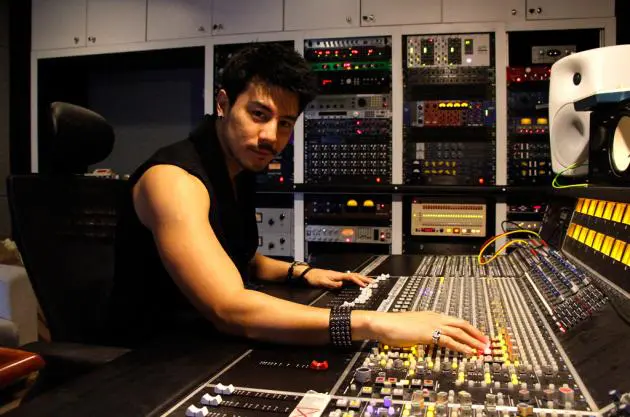
“I’ve always wanted to set up a music label that responds to those really love music and are determined to produce their own work,” says singer and actor Dome Pakorn Lum, who owns the Iconic label.
“I came up with the idea of founding a recording studio while I was still with RS. Thanks to my close association with producers and musicians, I had a good understanding of the production process.”
The idea for his recording studio began to take shape after Dome came back from San Francisco where he learned all about sound engineering. Iconic started small, handling only Dome’s electronic rock band, Nologo only later spreading its wings to include other bands such as Mummy Daddy, If Me Not and Cross Baby. It has also spawned a sub label, T.E.D. Entertainment – the acronym stands for Thai electronic dance – which focuses on electronic dance music.
“Word has spread and my studio is now well known. Several big names including Big Ass, Potato, ETC and 25 Hours have recorded here. They’ve offered suggestions on public relations and online promotion,” says Dome, adding that the name was inspired by a superstar fancy dress party.
“Being independent gives us more freedom in our music but we recognise we also need more artists with creative ideas about the production process. We aren’t a major label that boasts artist development.”
In terms of getting the music heard and out to the market, both Ed Kluaythai and Dome have ditched the traditional distribution networks in favour of Twitter, Facebook, iTunes and YouTube. This allows them to build the profile of their labels as well as market their releases.
“If the music’s good, the customers will come to you,” Dome says, adding though that with collapsing album sales and piracy, artists are only generating income from live shows and digital downloads.
Two years ago Iconic partnered with YouTube in conducting online auditions for new talent and drew more than 600 responses. Banana Record is also very much in demand, receiving hundreds of demos through Facebook and Ed’s e-mail.
Ed pays more than Bt8,000 annually for UPC, the Universal Product Code, which allows him to sell songs on iTunes. But neither he nor Dome is getting rich.
“It is the same chronic problem here as in other countries: people don’t pay for music but opt for free downloads. Songs have become devalued. So, we have to look for other ways to make the new generation pay for songs or for a concert. If you love the artist, surely you’ll be happy to splash out on a T-shirt or cap. If a band has 10,000 fans and each of them pays Bt1,000, that adds up to Bt10 million a year. Our music business will survive and the content will be more interesting,” says Dome.
Ed, meanwhile, is looking to pre-sales.
“My idea is to organise some sort of pre-ordering system. Say we got 200 pre-orders for an album that’s being released in the next months, then we have recouped out capital outlay. If we don’t’ get any pre-orders, then we will print on demand. If, say, just 10 people order the album, I will only make copies for them. Okay, it wouldn’t be an official CD but a special disc with maybe a special package that includes a T-shirt. That’s not to say I will neglect our real fans,” says Ed, who is planning to organise concerts to celebrate 12 years of Kluaythai and Sead as well as the second edition of Banana Mahachon.
Dome has found another way of spreading the Iconic word by producing a food and adventure reality show on free TV. Banana Record is taking another route, promoting its music through digital TV channels.
On the Web:
www.BananaRecord.net
www.Kluaythai.net
Facebook.com/IconicStudio
