
Knowing your spa from your UVA and UBV: the sunscreen that's right for you


Play
Unlike choosing moisturiser where the options tend to vary from dry, normal and oily skin, selecting a daily sunscreen often has us scratching our heads in confusion.
That’s why a little basic knowledge can help decipher the appropriate SPF and the damage caused by UVA and UVB rays and assist us in making a more intelligent choice.
The sun emits rays that are composed of infrared (40 per cent), visible light (50 per cent) and ultraviolet or UV (10 per cent). The UV rays can be further broken down into UVC, UVB and UVA. UVC is mostly absorbed by the ozone layer in the atmosphere while 90 per cent of UVA and 10 per cent of UVB reach to the earth’s surface. Both UVA and UVB contribute damage to your skin, albeit in different ways.
Older sunscreens focused on the skin damage from UVB only, mainly because UVB stimulates tanning and sunburn.
SPF, which stands for sun protection factor, indicates how long it will take for the UVB rays to redden the skin when using a sunscreen, compared to how long it would take without. Thus a product with SPF 50 means that it will take 50 times longer to redden than without sunscreen. The skin darkens after three days and the areas “darkened” by the sun can last for weeks.
UVA rays, on the other hand, can be more lethal and what’s more can damage the skin even if we avoid going outdoors.
The latest research undertaken by Dr Dominique Moyal, a technical regulatory expert in photoprotection attached to L’Oreal’s Applied Research & Development and Innovation centre in, Clichy, France, indicates that the long UVA (UVA 1), which has a wavelength of 340400nm, contributes to premature skin ageing, lack of elasticity and skin cancer. That’s because UVA penetrates the skin to a much greater depth and can reach the dermis.
Asian skin is particularly vulnerable to UVA, which induces brown spots and has a direct impact on hundreds of genes including the gene families that control immunity, skin density, oxidative stress and the synthesis of enzymes responsible for collagen degradation.
Thailand is in the area with the strongest UVA 1 exposure with the rays pushing their way though clouds and windows, meaning that we are exposed even on cloudy days and if we are inside.
It’s therefore important that we look at more that SPF counts and UVB protection when buying sunscreen
The UVA protection factor (UVAPF) can be measured from the sunscreens’ skin darkening protection (persistent pigment darkening (PPD). The higher the PPD, the greater effectiveness the sunscreens offer in protecting against UVA.
The scale of UVA protection can be classified from the PA factor with PA++++ providing the highest protection and PA+ the lowest.
In Thailand, however, the sunscreen scale is selfregulated meaning that the manufacturer can set the SPF and PA level by themselves and, as one might expect, the claims don’t always reflect the reality.
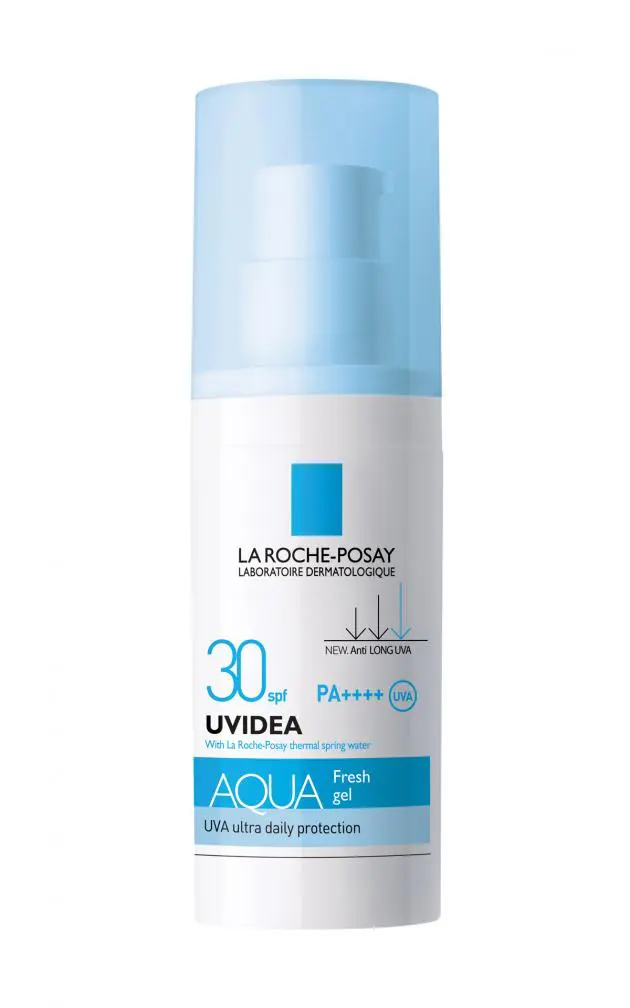
Some makes, like L’Oreal’s La RochePosay, are safe, with the best choice for any skin being a high SPF and PA as well as PA++++.
.
