
Glitter, fatty food, nuts and democracy


Play
Some useful tips for keeping your pets safe and healthy over the festival season
IN MY house, holiday decorations and food require a great deal of careful forethought. Planning is the key.
The animals in my household firmly believe in a weird form of democracy: whatever they own belongs to them, and whatever I own belongs to them too.
Food, glittery objects, anything that swings in the breeze – all these belong to Wan-Wan, my poodle pup, and the cat-herd.
I haven’t been able to put up a Christmas tree for years. The cats always try to climb up or to grab a branch and pull. The result is a big mess, with a cat or two underneath.
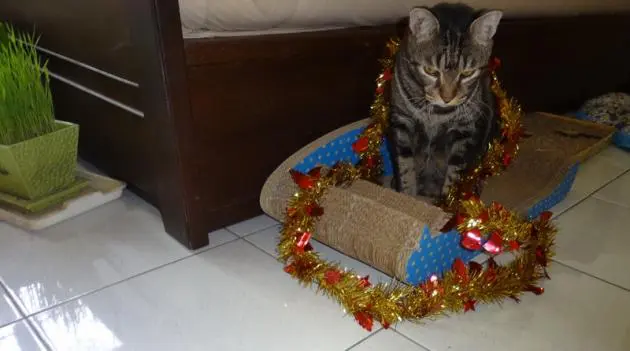
Glittering aluminium decorations are great attention-getters too, and brightly-coloured strings are so difficult to resist. Even a small piece is so easily swallowed and can equally easily cause internal injury even before you realise your pet’s in trouble.
Dogs and cats playing with Christmas balls may seem cute, but, in fact, the animals are one swallow away from tragedy.
So I hang decorations from ceiling lights, being careful, of course, that those decorations are not actually touching the lights.
As for plants, I’ve banned poinsettias from the premises for years. Those beautiful red Christmas-y flowers are toxic to animals who eat them.
There’s a long list of other poisonous plants that you need to keep away from your animals too, and not only during the holidays, such as lilies, aloe vera, daffodils, philodendrons and chrysanthemums. If you really want to bring nature into your home and be sure that your pets are safe, try working with grass. Pet shops have kits with seeds and soil, all very hygienic.
Holiday food is wonderfully rich. It’s important, though, to remember that much of it is off the menu for your animals, any time of the year.
Chocolate and alcoholic drinks of any kind should never be given to your pets. They’re deadly. You might think your dog loves drinking that sweet cocktail, but it’s actually the sugar in the drink that attracts him.
By the way, unbaked bread dough is equally dangerous. If your dog eats it, the fermentation of the yeast in the dough creates a form of alcohol, and your pet can still suffer alcohol poisoning.
Dogs and cats shouldn’t be given sugary stuff anyway. Luckily, few cats are attracted to the sweetness of sugar, but dogs can become addicted to it. As with humans, ingesting sugar can damage your dog’s health, and with the addition of the ingredients in the chocolate or in the alcohol, a dog who’s been given chocolate or alcohol can die.
Nuts (especially Macadamia nuts), grapes and raisins should never be given to dogs, either. Just a few short years ago, researchers discovered that these foods contain natural chemicals that are deadly to your dog.
In my household, luckily, my animals aren’t so attracted to these “treats”. They are, however, attracted to any sort of protein, the fattier the better.
If I leave some turkey complete with skin and bones on a table, within seconds the herd of cats has taken over the table. Wan sits hopefully below, waiting patiently for a cat to drop a piece of turkey or even a bone on the floor.
Turkey is a fine meat to give your pets (without the skin, bones or added salt), but several of my cats have kidney problems and shouldn’t be taking so much protein, since it puts too much strain on the kidneys.
Okay, so they’re happy with their forbidden food, but the next day, most are suffering tummy upsets from all the rich food of the day before.
Any family with young children will understand how much time it takes to keep your home safe, especially during the holidays. I suppose even children have their own weird form of democracy.
