
Nine out to score a 10


Once a chubby child, Naphat "Nine" Siangsomboon, son of actress Pimpaka, has grown into a slim and handsome young man, so much so that he is now the star of several TV commercials for King Power and Nivea For Men among others.
Now he’s going to follow in his mum’s footsteps and make his acting debut, probably in a new action series produced by Chatchai Plengpanich.
According to sources close to Soopsip, Nine will replace “Hormones” star Thanapob “Tor” Leeratanakhajorn, who fell out with Chatchai’s wife and fellow producer Sinjai when she told him he had to change his hairstyle for the part.
Chatchai zeroed in on Nine after seeing him in those TV ads but failed to recognise him. That’s understandable given that the last time the two met, Nine was, as they say, bustin’ his breeches. Sinjai agrees that Nine fits the profile of a young Chinese man but adds that he will need to prove his acting chops before any deal can be signed.
Talking tradition
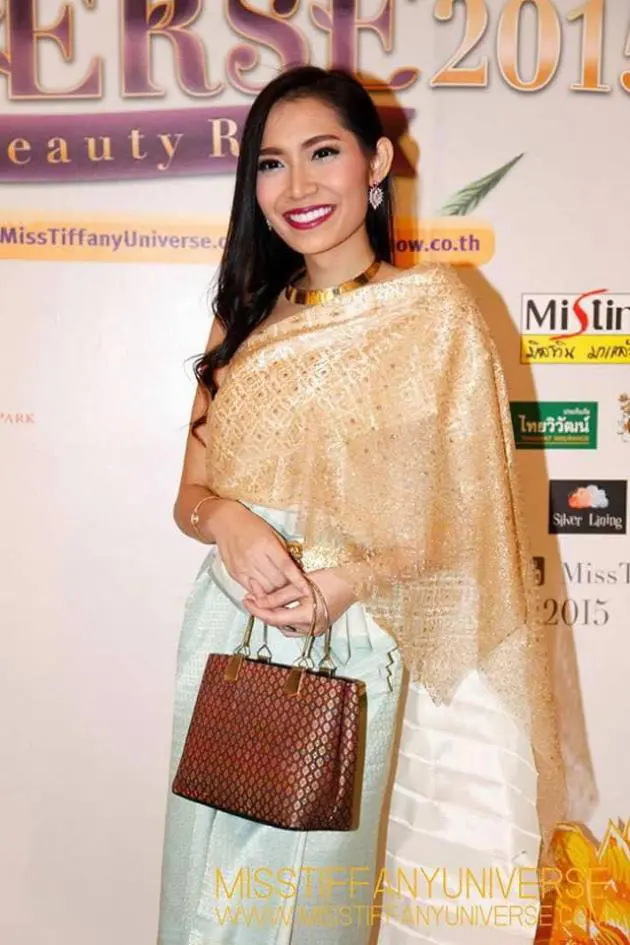
One of the top topics trending on the social networks this week is a beautiful lady who wears traditional Thai attire in her daily life, whether she’s out shopping at CentralWorld or back home in her native Mae Sot.
Thai tabloid Thai Rath interviewed her and TV shows and advertising agencies fell over themselves inviting her to appear as a guest and product presenter.
She opted to make her TV debut on GMM’s talk show “Chae Tae Chao” and promptly caused another sensation. Turn out Mezs is not a lady at all but a transvestite. A student at Assumption University’s Faculty of Business Administration, Mezs says her main passion in history and that she started dressing up after discovering her mother’s stash of old textiles.
Unlike in India or Japan where the saree and kimono are often worn in preference to more casual Western gear, Thai traditional attire is usually only donned for stage performances and wearing it in daily life is considered weird.
Mezs disagrees with this custom, saying she is proud to wear it and loves mixing and matching traditional styles with modern gear. She also hopes that her dressing style will encourage more Thais to follow suit.
And she’s not the only one who thinks this is a good idea. There’s already a campaign to promote the wearing of traditional attire in government offices, schools and colleges. In Chaiyaphum, for example, female students and government staff are asked to wear the phasin (Thai wrap-around skirt) and males the sarong four days a month to mark the Buddhist holy days.
Mezs also told the show that she was planning on entering the Miss Tiffany Universe 2015 beauty pageant, raising a question as to whether she had taken to wearing traditional attire as a way of upping her chances of being selected for the contest.
But she swears the two are not related, saying she’s been doing it for a while and has no idea why it has become such a hot topic.
