
Sacred Thai tattoos: Culture, Power, and Protection in Ink
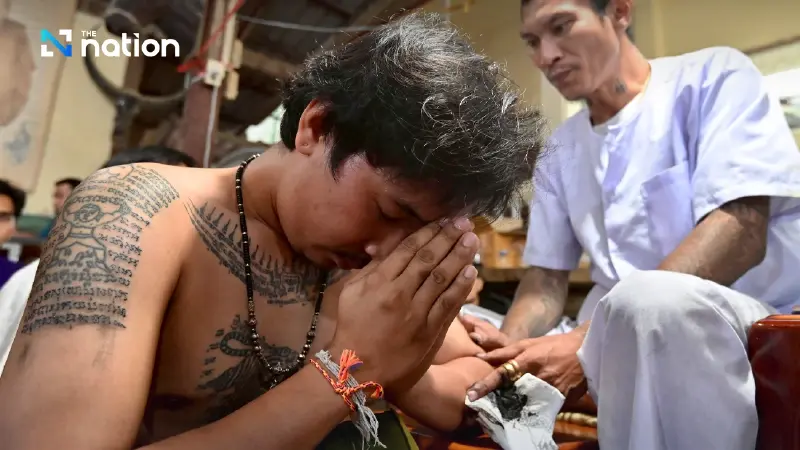


In temples and tattoo studios across Thailand, sacred ink is more than body art; it’s a spiritual armor. Known as sak yant, these ancient Thai tattoos are steeped in tradition.
Rooted in centuries-old Khmer and Thai spiritual practices, sak yant tattoos are typically inscribed by Buddhist monks or ajarns (lay masters) using a sharpened metal rod. Each tattoo contains a geometric or animal-based design filled with ancient script, usually Khmer or Pali, along with sacred blessings known as katha (mantras).
These tattoos are believed to offer a range of supernatural benefits: protection from harm, increased charisma, good fortune, or even invincibility in battle. Historically, sak yant were worn by warriors going to war. Today, they’re sought after by everyone from Muay Thai fighters to businesspeople and even celebrities.

Perhaps the most famous sak yant is the Hah Taew (Five Lines), made globally recognizable by actress Angelina Jolie, who received hers from the revered Ajarn Noo Kanpai. Each line of the tattoo represents a specific blessing, from protection against bad fortune to the strengthening of luck and success.
But these tattoos aren’t just decorative. Receiving a sak yant involves a spiritual process that often includes chanting, meditating, and making offerings. Many believers follow a strict moral code or set of “rules” after receiving one, such as avoiding alcohol, respecting elders, or refraining from immoral acts, as a way of maintaining the tattoo’s power.

In recent years, sak yant has seen a resurgence in popularity, attracting both locals and foreigners intrigued by its spiritual roots. However, this has also sparked debate: some traditionalists worry the sacred meaning is being diluted by commercialization or tourism, especially when tattoos are offered without the accompanying ritual or guidance.
Despite these concerns, for many Thais, sak yant remains a living tradition, a physical link to heritage, belief, and unseen forces. Whether inked for protection or personal transformation, each tattoo tells a story etched not just on skin, but on the soul.
