
The story behind Thailand’s iconic elephant pants trend
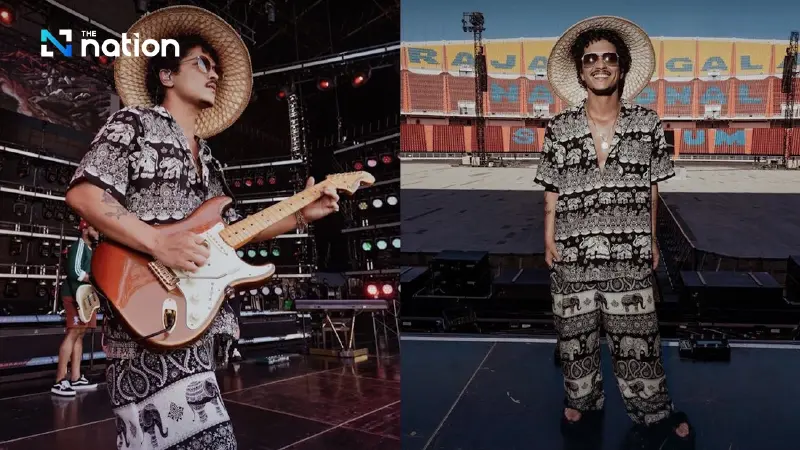


Elephant pants, those loose, colourful trousers adorned with elephant prints, have become a staple of Thai markets and a global fashion phenomenon. Loved for their comfort and cultural flair, these trousers are now more than just travel wear. They are a playful symbol of Thailand’s creativity and soft power.
From harem cousins to tourist favourites
At first glance, elephant pants look like the harem pants of the Middle East and South Asia, with their elastic waistbands, flowing fabric, and roomy legs.
But what makes them distinctly Thai are the instantly recognisable elephant motifs. Available in shades of navy, black, red, and more, they are unisex and versatile, perfect for yoga, travelling, or simply surviving Thailand’s tropical heat.

Made from lightweight cotton or rayon, the trousers are breathable and easy to pack. They are also notoriously delicate.
Many wearers admit to ripping theirs, especially around the crotch, a small price to pay for style and comfort.
A temple-friendly solution
One reason elephant pants surged in popularity among travellers is practicality. At major Thai temples, such as Wat Phra Kaew in Bangkok, shorts are banned.
Elephant pants offer a quick, affordable solution: they cover the legs respectfully while keeping tourists cool in humid weather. Priced between 100-199 baht at markets from Khao San Road to Chiang Mai’s night bazaars, they also double as wearable souvenirs.


K-pop power and celebrity boost
The trend might have stayed a local quirk if not for international exposure. Tourists from Europe, the US, and Australia helped spread the look, but it was Asian fans who made elephant pants fashionable again.
In 2022, global K-pop star Jackson Wang was spotted wearing them at Bangkok airport after a concert. Soon after, fellow idols such as Ten from NCT/WayV and Mark Tuan of GOT7 followed suit, cementing elephant pants as a style statement rather than just a tourist uniform.

Chiang Mai factories and global markets
Behind the scenes, factories in Chiang Mai now produce more than 2,000 pairs a day, exporting to Asia and Europe. The trousers’ rise also caught the attention of entrepreneurs Nathan Coleman and James Brooks, who founded The Elephant Pants brand in 2013. Partnering with Thai producers, they pledged 10% of profits to wildlife conservation. Within two years, the business generated US$7 million in sales before being sold to a Chinese investor.


The success of elephant pants has sparked a wave of playful local spin-offs. Social media has seen the rise of Mae Klong mackerel pants, inspired by the fish that put the coastal town on the map, while Korat cat designs have even made their way into the hit mobile game Free Fire. These regional variations not only celebrate local culture but also create new opportunities for small businesses.

What began as affordable travel gear has evolved into a global trend, a soft power tool, and a creative platform for Thai designers. Elephant pants show that fashion can be both fun and meaningful, an everyday item transformed into a symbol of cultural pride.
