
Secrets behind the Halloween pumpkin: From Irish legend to glowing guardian
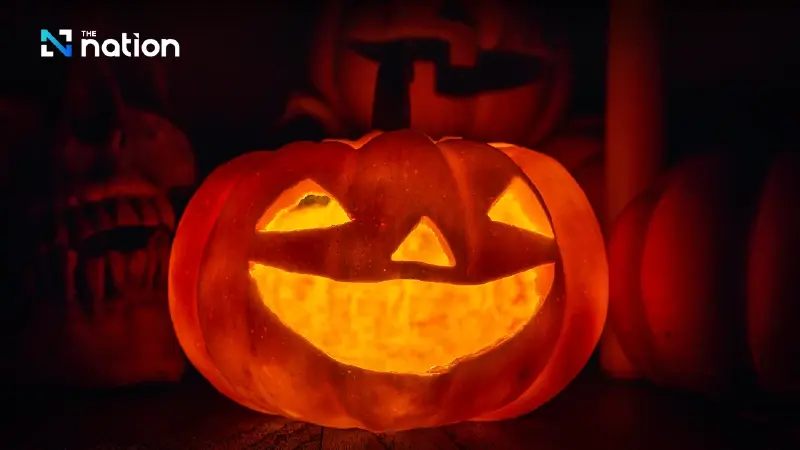


Discover the fascinating tale of the Halloween pumpkin — from Ireland’s legend of Jack O’Lantern to its transformation into a glowing symbol of protection, fun and festivity.
As October draws to a close, the spirit of Halloween begins to spread across the world. Streets turn black and orange, shops hang up fake cobwebs, and the most eye-catching decoration of all appears — the glowing, grinning pumpkin. But have you ever wondered why pumpkins became the symbol of this spooky night?
The story began in Ireland, with a cunning drunkard named Jack, who was known for his trickery and fearlessness — even towards the Devil himself. One night, Jack deceived the Devil into climbing a tree, then carved a cross into the trunk, trapping him there. The Devil had no choice but to promise never to claim Jack’s soul.
When Jack eventually died, Heaven refused him because of his sins, and Hell turned him away because of the promise. Doomed to wander between worlds, he was given a single burning coal by the Devil to light his way.
Jack placed the coal inside a hollowed-out turnip — becoming “Jack O’Lantern”, the wandering spirit trapped between the realms of the living and the dead.
Later, when Irish immigrants moved to America, they found turnips scarce but pumpkins plentiful. They began carving pumpkins instead, placing candles inside and etching ghostly faces on their surface — a tradition that continues to this day.
For many families in Europe and the United States, pumpkins are not just decorative. They serve as protective charms to ward off evil spirits on Halloween night. People place them at their doorways, letting the light of Jack’s lantern drive away malevolent forces.
Today, the pumpkin lantern no longer represents just fright — it embodies celebration, creativity and the joyful merging of the living and the departed.
Pumpkins commonly used for carving are large, firm, and brightly orange varieties such as Jack-O'-Lantern, Fairytale, and Long Island Cheese. Their smooth skin and dense flesh make them ideal for shaping intricate patterns.
Although these pumpkins are technically edible, they are less sweet and fine-textured than culinary varieties. Nonetheless, many families still make soups or pies from the leftover flesh — a delicious way to celebrate the flavours of autumn.
Every October 31, cities fill with laughter and eerie delight. Children go door-to-door shouting “trick or treat!”, adults dress as ghosts and monsters, and glowing pumpkins light up doorsteps everywhere.
The Halloween pumpkin is more than a festive decoration — it is a cultural story passed down through centuries, from an Irish turnip to an American pumpkin, from a drunken wanderer’s legend to the shining light of joy on the most haunting night of the year.
