
Legend of the Great Golden Royal Urn and the Fourteen Ranks of Royal Urns in the Thai Court
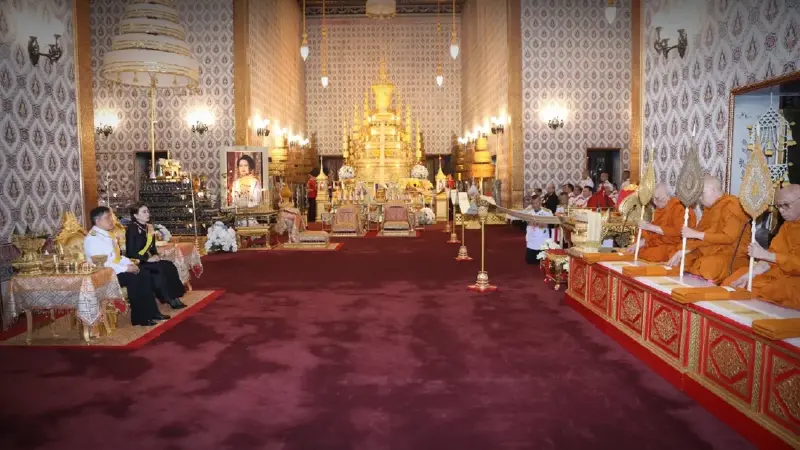


The Great Golden Royal Urn, Thailand’s highest funerary regalia, embodies royal dignity and centuries of tradition through its exquisite gold craftsmanship
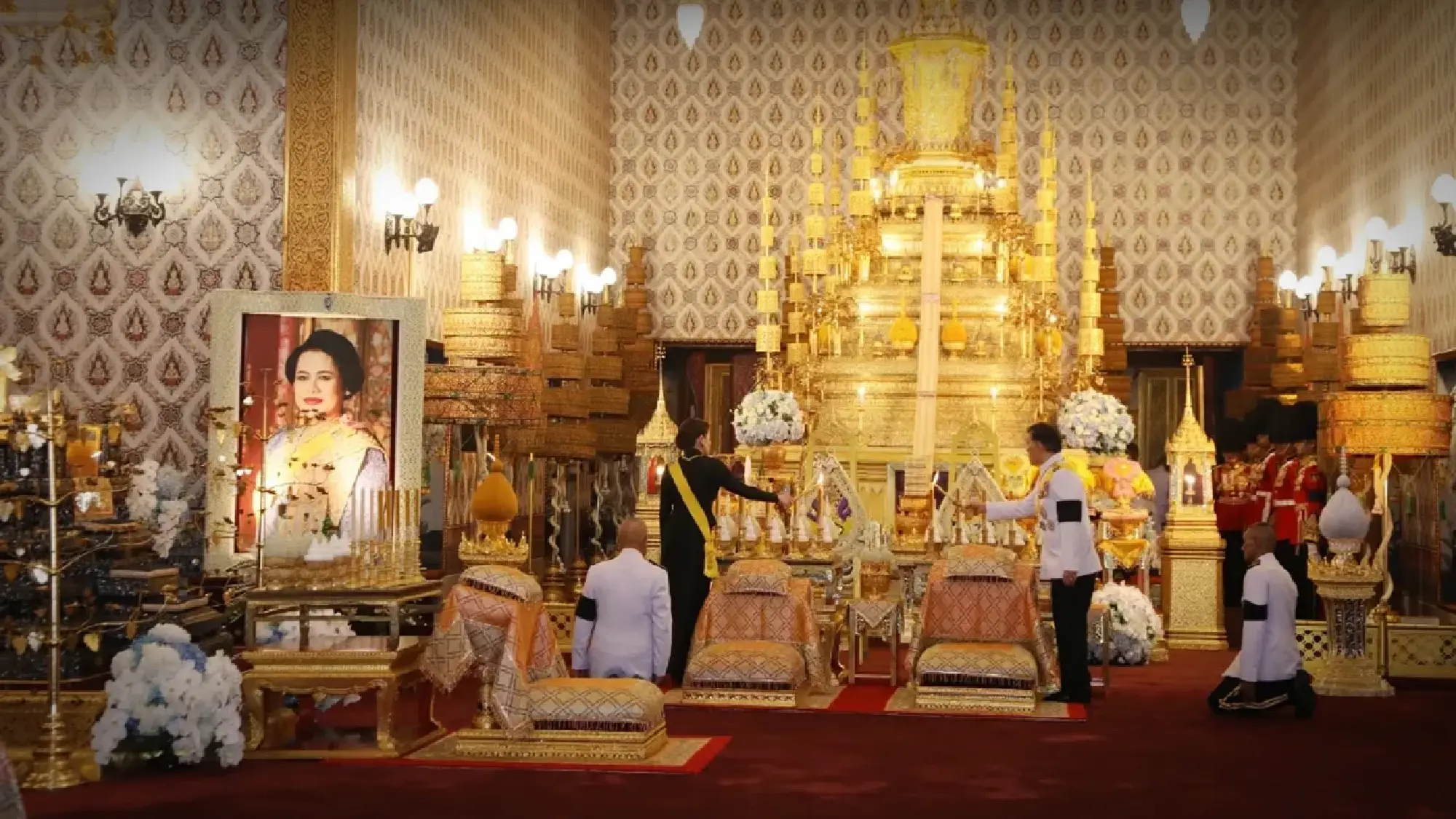

The Great Golden Royal Urn — the highest symbol of royal dignity
The Great Golden Royal Urn (Phra Kos Thong Yai) is the most exalted funerary urn used in the royal court for Kings and senior members of the royal family. Historically, three Great Golden Royal Urns have been created, the most recent during the reign of His Majesty King Bhumibol Adulyadej the Great (Rama IX).
Within the Thai court, fourteen ranks of royal urns exist to distinguish the different degrees of honour and hierarchy among the deceased — from the Great Golden Urn at the highest level to simpler urns for senior officials.
Each urn is regarded as reusable royal regalia, not cremated with the royal remains, but preserved for future ceremonies in accordance with court tradition. This continuity reflects both the sustainability of royal custom and the sacred reverence surrounding royal ceremonial artefacts.
The Royal Ceremony for Her Majesty Queen Sirikit, The Queen Mother
During the Royal Ceremony of Water-Pouring for the late Her Majesty Queen Sirikit, The Queen Mother, held at the Piman Rattaya Throne Hall in the Grand Palace on October 26 2025 at 17:00, Their Majesties the King and Queen presided over the ceremony.
The royal remains were placed in a casket and then enshrined within the Great Golden Urn, set upon a gilded dais beneath the nine-tiered white royal umbrella — the highest emblem of royal status. The urn was positioned behind the Suwan Benjadal Throne, within the western pavilion of the Dusit Maha Prasat Palace, surrounded by high ceremonial regalia such as five-tiered and seven-tiered umbrellas and gold-and-silver trees, representing the supreme honour of the royal household.
Although many Thais beheld this majestic urn once again, few knew the full story behind its significance and evolution through time — indeed, three Great Golden Royal Urns have existed throughout Thai history.
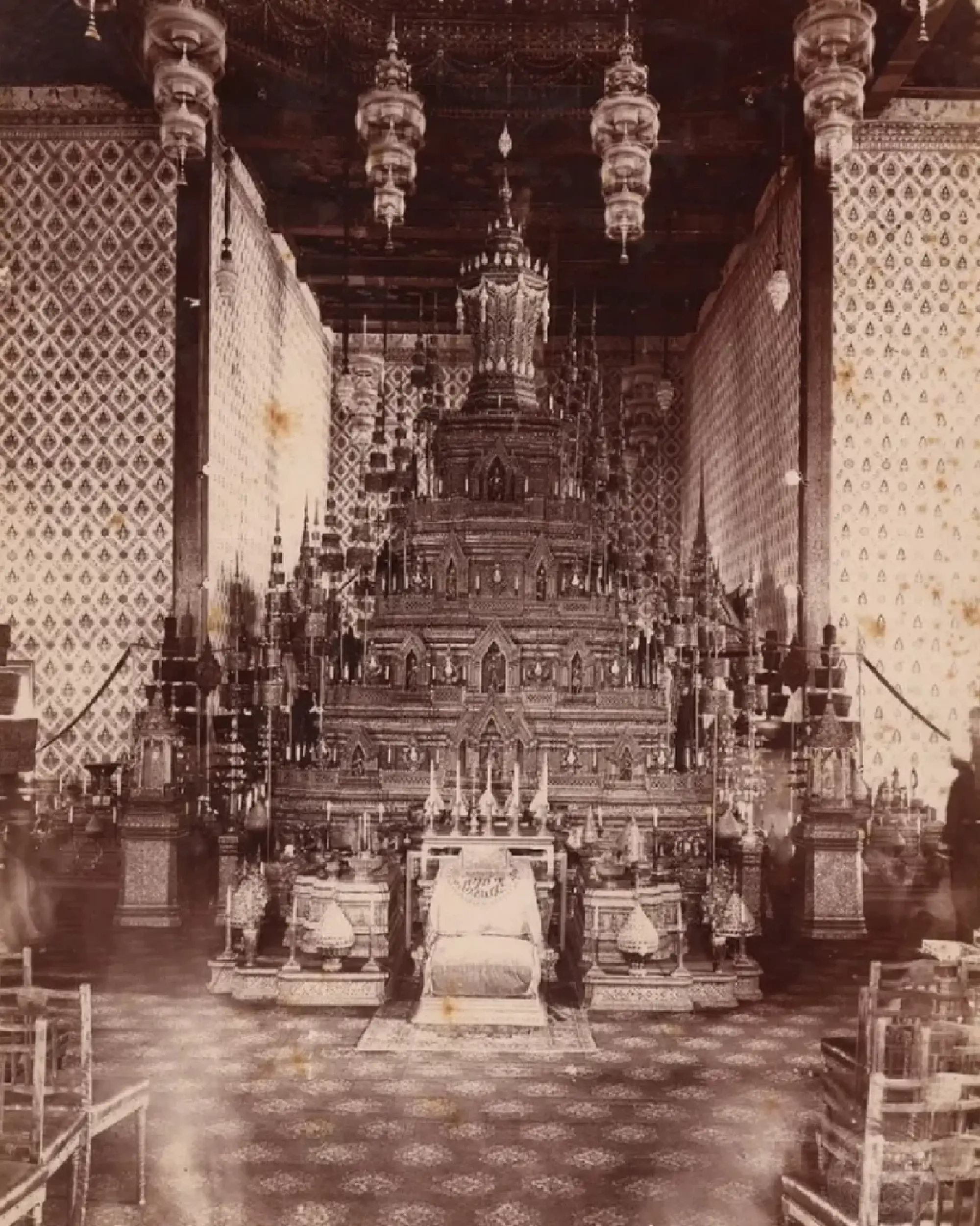

The Great Golden Royal Urn — the highest-ranking funerary urn
The Great Golden Royal Urn is the highest-ranking urn in the royal court, used for containing the remains of Kings and senior royalty.
In the Ayutthaya period, the outer casing of the urn was called a “long”. In the Rattanakosin period, up until the reign of King Prajadhipok (Rama VII), this outer casing was called “kos” before reverting once again to “long.”
The structure of each urn consists of an outer casing, usually made of wood covered with gold, and an inner casing, made from iron, copper or silver gilt. The size and proportions of each urn vary according to the rank of the deceased.

The Three Great Golden Royal Urns
There are currently three principal Great Golden Royal Urns, each reflecting the period and royal intention of its reign.
The first urn was created in the reign of King Rama I (B.E. 2351 / 1808 AD). His Majesty King Buddha Yodfa Chulalok the Great ordered that gold from the Phra Kos Kudun (an urn reserved for the Supreme Patriarch or ecclesiastical dignitaries) be used to create the Great Golden Urn intended for His Majesty’s own royal cremation.
The second urn was made during the reign of King Chulalongkorn the Great (Rama V). His Majesty commissioned His Royal Highness Prince Prabparapak, Krom Muen Prabparapak and the Department of the Ten Crafts (Krom Chang Sip Mu) to construct a new urn, known as the “Phra Long Thong Yai, Rama V”, to replace the earlier one that had deteriorated over time.
The third urn was created during the reign of King Bhumibol Adulyadej the Great (Rama IX) to replace the aged urns of previous reigns. This new Great Golden Urn has since been used in major royal funeral ceremonies.
The latest urn, according to royal artisans, is crafted from gold engraved in a jackfruit-segment motif, with its waist adorned with dangling floral decorations and diamond ornaments. The pinnacle is crowned with a phum khao bin (rice-offering cluster) design, symbolising abundance and blessing. The urn rests upon a wan fa pedestal with a khieng base, both elaborately decorated.
The funeral of Her Royal Highness Princess Galyani Vadhana Krom Luang Naradhiwas Rajanagarindra in 2008 marked the first use of this new Great Golden Urn, by royal command of His Majesty King Bhumibol Adulyadej.

The Nine-tiered Umbrella and the Regalia of Honour
The Great Golden Urn is traditionally surmounted by a nine-tiered white royal umbrella, the supreme emblem of sovereignty and auspicious dignity. Each tier of the umbrella symbolises ascending rank and royal grace.
The urn is further accompanied by five-tiered and seven-tiered umbrellas, gold-and-silver ornamental trees, and jewelled floral clusters, collectively representing sanctity, reverence, and the divine splendour of the monarch or royal personage.
Origins of the Tradition
The use of the Great Golden Urn as the principal royal funerary urn dates back to the reign of King Rama I, following the passing of Princess Sri Sunthon Thep. The King decreed that her remains be placed in the Great Golden Urn, establishing the precedent that has continued to this day for royal funerals of the highest honour.

Current ranking of the 14 types of royal urns and jars used for royal funerals and high-ranking officials
- Great Golden Royal Urn (Phra Kos Thong Yai) – the highest honour, used for Kings and senior royalty.
- Secondary Golden Royal Urn (Phra Kos Thong Rong Song) – considered equivalent to the Great Golden Urn, used for senior princes.
- Small Golden Royal Urn (Phra Kos Thong Lek) – used for senior royal princes (Somdet Chao Fa class).
- Lesser Golden Royal Urn (Phra Kos Thong Noy) – used for princes of lower rank and senior princesses.
- Large Kudun Royal Urn (Phra Kos Kudun Yai) – used for the Supreme Patriarch.
- Small Kudun Royal Urn (Phra Kos Kudun Noy) – used for prince-royals and high-ranking nobility of the military branch.
- Large Mandop Royal Urn (Phra Kos Montop Yai) – used for His/Her Royal Highnesses and senior ministers of noble lineage.
- Small Mandop Royal Urn (Phra Kos Montop Noy) – used for His/Her Royal Highnesses of lower rank.
- Twelve-Wood Royal Urn (Phra Kos Mai Sip Song) – used for princely lineage in the Front Palace, Chao Phraya ministers, and high ecclesiastical dignitaries.
- Royal Urn for Prince (Phra Kos Phra Ong Chao) formerly known as “Kos Lanka” – used for princes of minor rank.
- Royal Clan Urn (Kos Ratchanikun) – used for officials of royal clan status and high noble families.
- Armour Urn (Kos Kroa) – used for large-bodied officials or those who cannot perform standard formal duties.
- Octagonal Urn (Kos Paet Luem) – a special type granted to officials or minor nobility by royal decree.
- Jar Urn (Kos Tho) – another special type for high-ranking officials who are granted an urn by royal favour.

Royal Urns and Their Ceremonial Use
All royal urns are crafted for reuse in successive royal funerals and are never cremated. The same urn may be bestowed for later use according to the rank of the deceased. This practice expresses both the enduring continuity of royal custom and the sanctity of royal regalia.
The Great Golden Royal Urn, for instance, has been used in the royal cremations of Thai Kings and senior royalty, including Her Royal Highness Princess Galyani Vadhana Krom Luang Naradhiwas Rajanagarindra and Her Royal Highness Princess Bejaratana Rajasuda Sirisobhabannavadi.
During the royal cremation ceremonies, the urn containing the royal remains is placed upon the Phra Maha Phichai Ratcharot (Great Victory Royal Chariot) during the procession to the royal cremation ground (Phra Meru).
Following each royal cremation, the urns are carefully preserved within the Royal Palace Treasury Hall (Ho Sombat Phra Ratchawang). Each urn is maintained with meticulous care — its materials, decorative details, and gilding are restored and inspected before reuse in future ceremonies.
Today, the Great Golden Royal Urn remains a sacred symbol of royal honour and dignity, representing the highest ceremonial reverence within Thai royal tradition.
