
Ancient Nang Dan rite keeps Nakhon Si Thammarat’s Songkran spirit alive
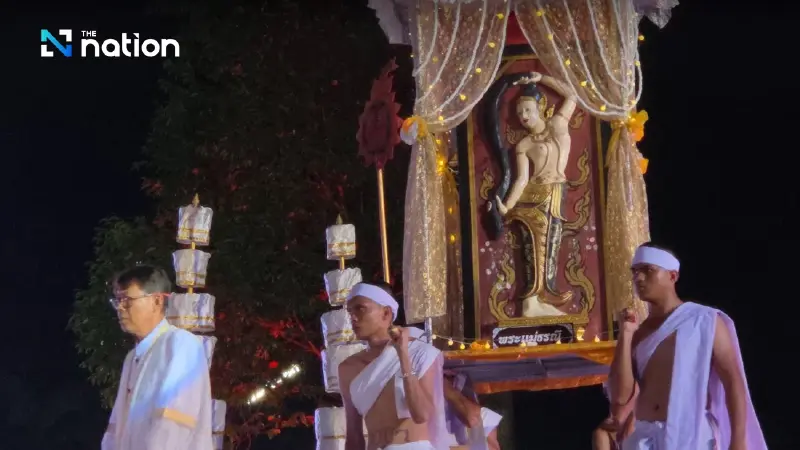


Nakhon Si Thammarat’s 1,200-year-old Nang Dan procession returns as a rare Songkran ritual blending Brahmin heritage, sacred symbolism and local faith.
A surge of devotion and cultural pride has once again swept through Nakhon Si Thammarat during Songkran, as the southern province staged the Nang Dan procession, an ancient Brahmin ritual preserved for more than 1,200 years and regarded as the only surviving tradition of its kind in Thailand.
Held each year on April 14, the ceremony is far more than a festival spectacle. It is a sacred rite rooted in old Brahmin belief, staged to honour attendant deities and welcome the symbolic arrival of Lord Shiva during the Thai New Year.
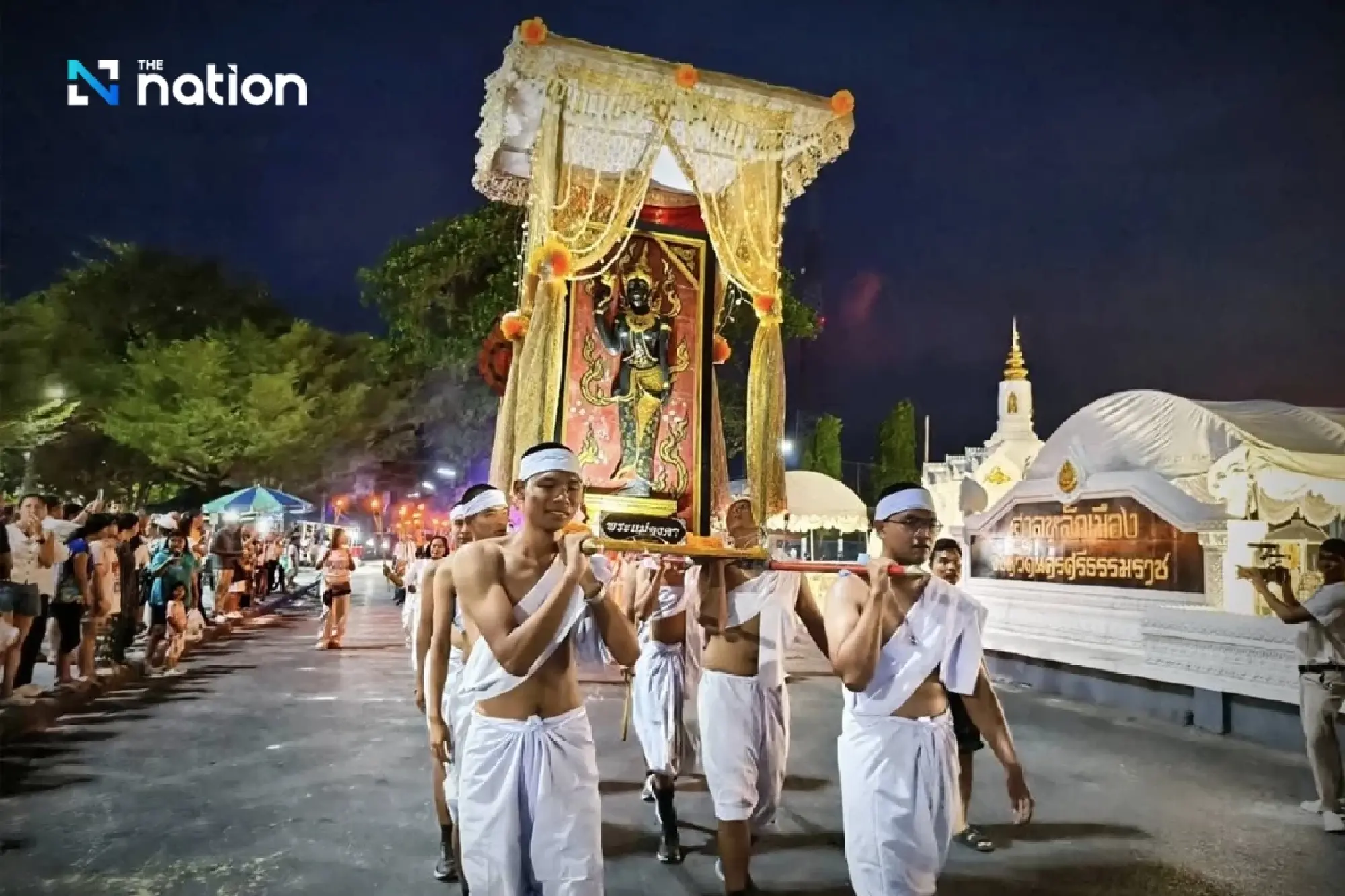

A sacred procession unlike any other in Thailand
What gives the Nang Dan tradition its enduring power is the way it blends ritual solemnity with public celebration. The procession evokes a world of ancient belief still alive in the present, with devotees and visitors gathering to witness a ceremony rarely seen elsewhere in the country.
The ritual is linked to the old Triyampawai tradition, also known as the Giant Swing ceremony, once used to receive Lord Shiva. Over time, the rite was adapted into a public Songkran event and is now staged as one of the most distinctive cultural highlights of Nakhon Si Thammarat.
Three divine panels lead the ritual
At the centre of the procession are three sacred wooden panels, known as Nang Dan, which are carried on palanquins in a grand ceremonial parade.

The panels depict key divine figures associated with cosmic balance and life-giving forces: the Sun and Moon gods, Phra Mae Thorani, or Mother Earth, and Phra Mae Khongkha, the goddess of water. Together, they create a powerful visual expression of reverence, renewal and abundance.
Their presence in the procession reflects more than religious symbolism. It also points to enduring beliefs about rainfall, fertility and new beginnings, themes deeply woven into the meaning of Songkran itself.
Holy water rite deepens faith and symbolism
Another powerful element of the celebration is the holy water consecration ceremony, which draws on six sacred water sources in the province. These include wells at Wat Na Phra Lan, Wat Sema Mueang, Wat Sema Chai and Wat Pratu Khao, as well as the sacred sources at Huai Khao Mahachai and Huai Pak Nakkharat.

Under Brahmin-Hindu belief, the water is regarded as auspicious and is associated with blessing, prosperity and abundance. For many participants, this part of the ritual is as spiritually meaningful as the procession itself.
The original Nang Dan boards once used in the ceremony are now preserved at the Nakhon Si Thammarat National Museum, while newly made panels are used in the modern parade in order to protect the historic artefacts.
That balance between preservation and living tradition is what makes the Nang Dan procession so compelling. It is not only an ancient religious rite, but also a vivid symbol of how local belief, history and identity continue to shape Songkran in Nakhon Si Thammarat.
