
Thai dress takes centre stage as UNESCO chief visits Bangkok


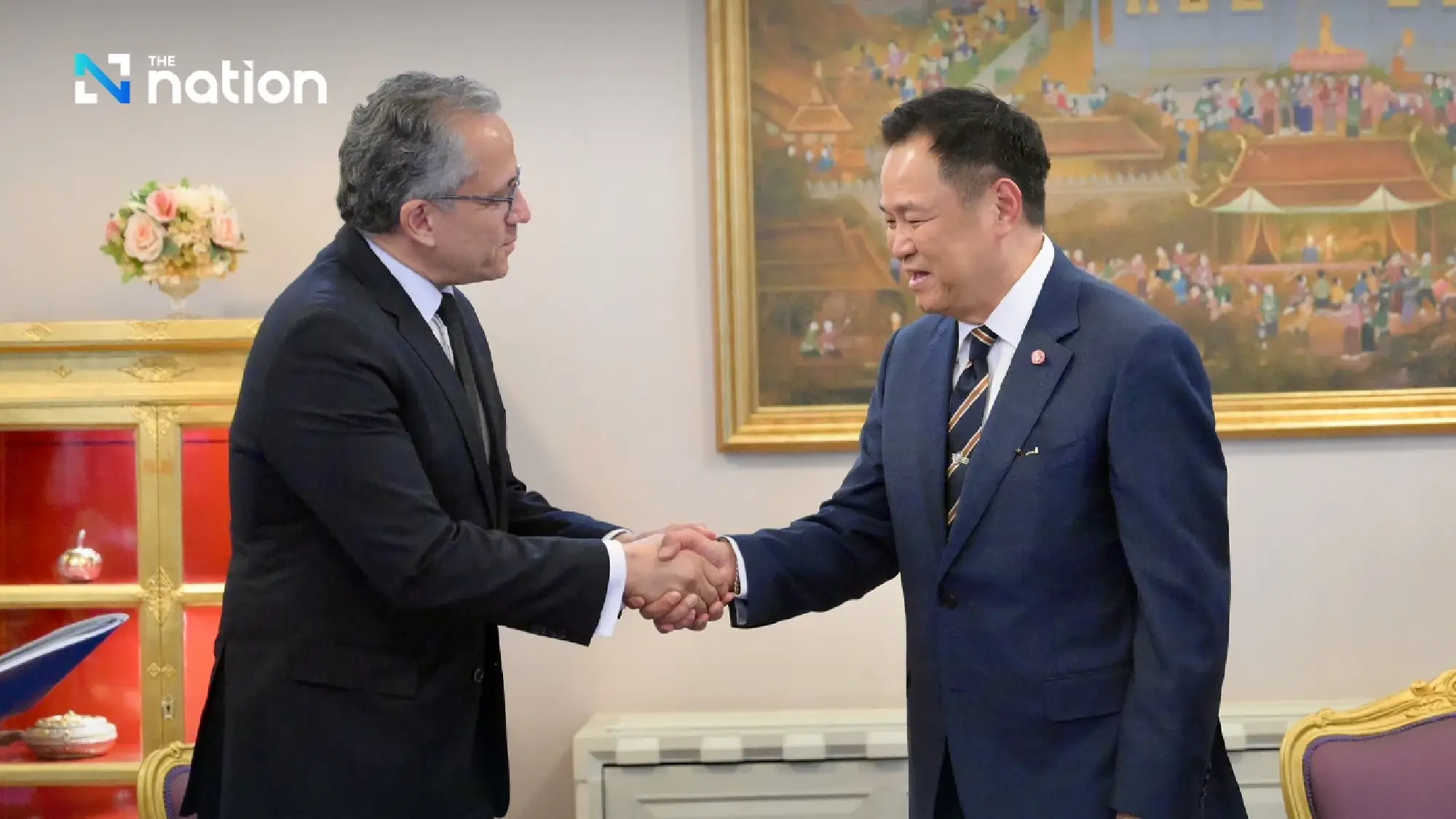
Prime Minister Anutin Charnvirakul has welcomed UNESCO Director-General Khaled Ahmed El-Enany Ali Ezz as Thailand pushes Thai traditional dress, new heritage nominations and AI governance cooperation.
Thailand is stepping up its soft-power drive through closer cooperation with UNESCO, with Prime Minister Anutin Charnvirakul placing Thai traditional dress at the centre of a wider cultural and technology strategy during a visit by UNESCO Director-General Khaled Ahmed El-Enany Ali Ezz.
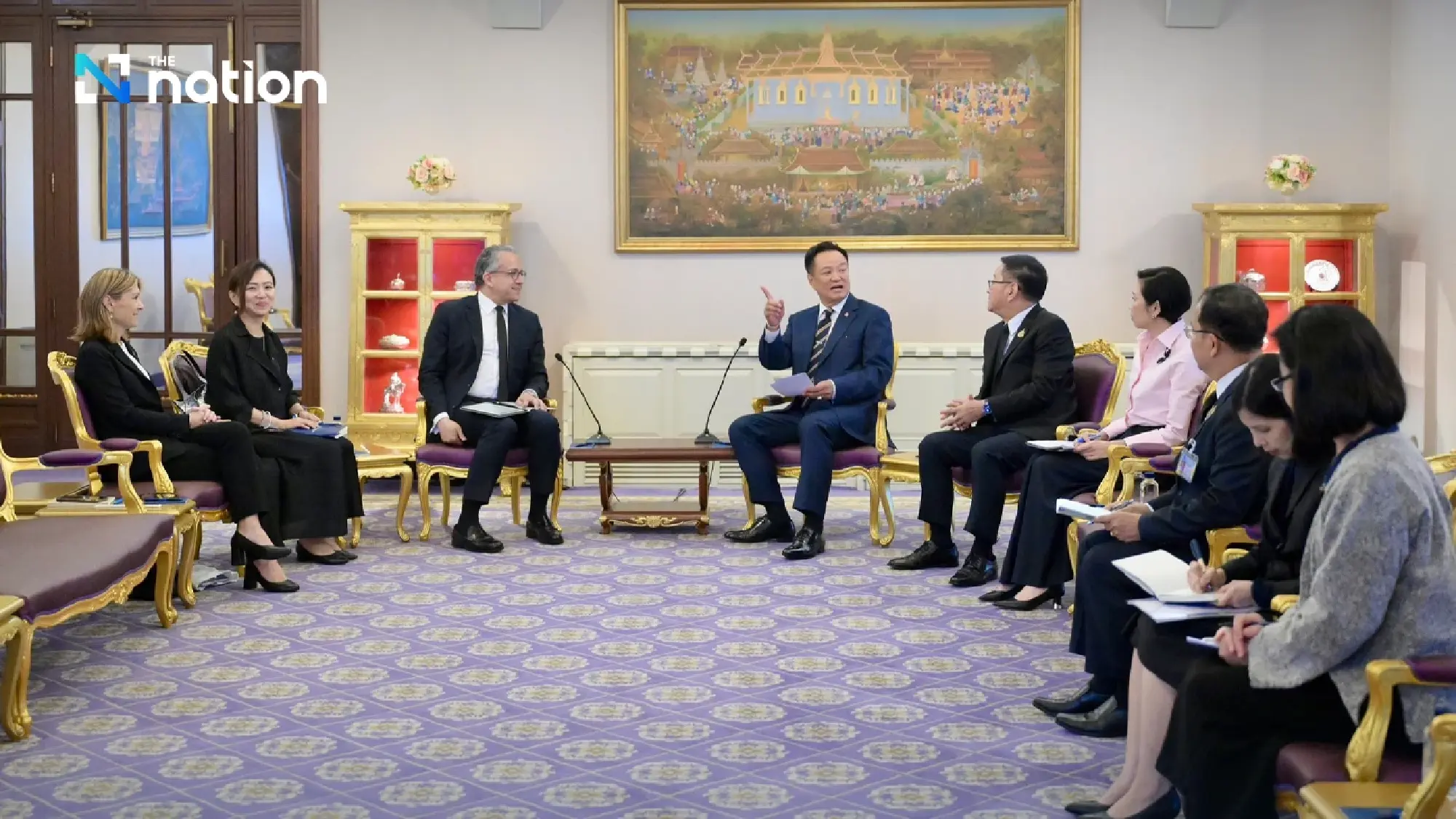
Anutin, who also serves as interior minister, held talks with the UNESCO chief at Government House on May 15 as Thailand sought to advance cooperation in culture, world heritage protection, education and artificial intelligence governance. The Government Public Relations Department said the UNESCO director-general paid a courtesy call on the prime minister during his visit to Thailand.

Thai dress pushed for UNESCO recognition
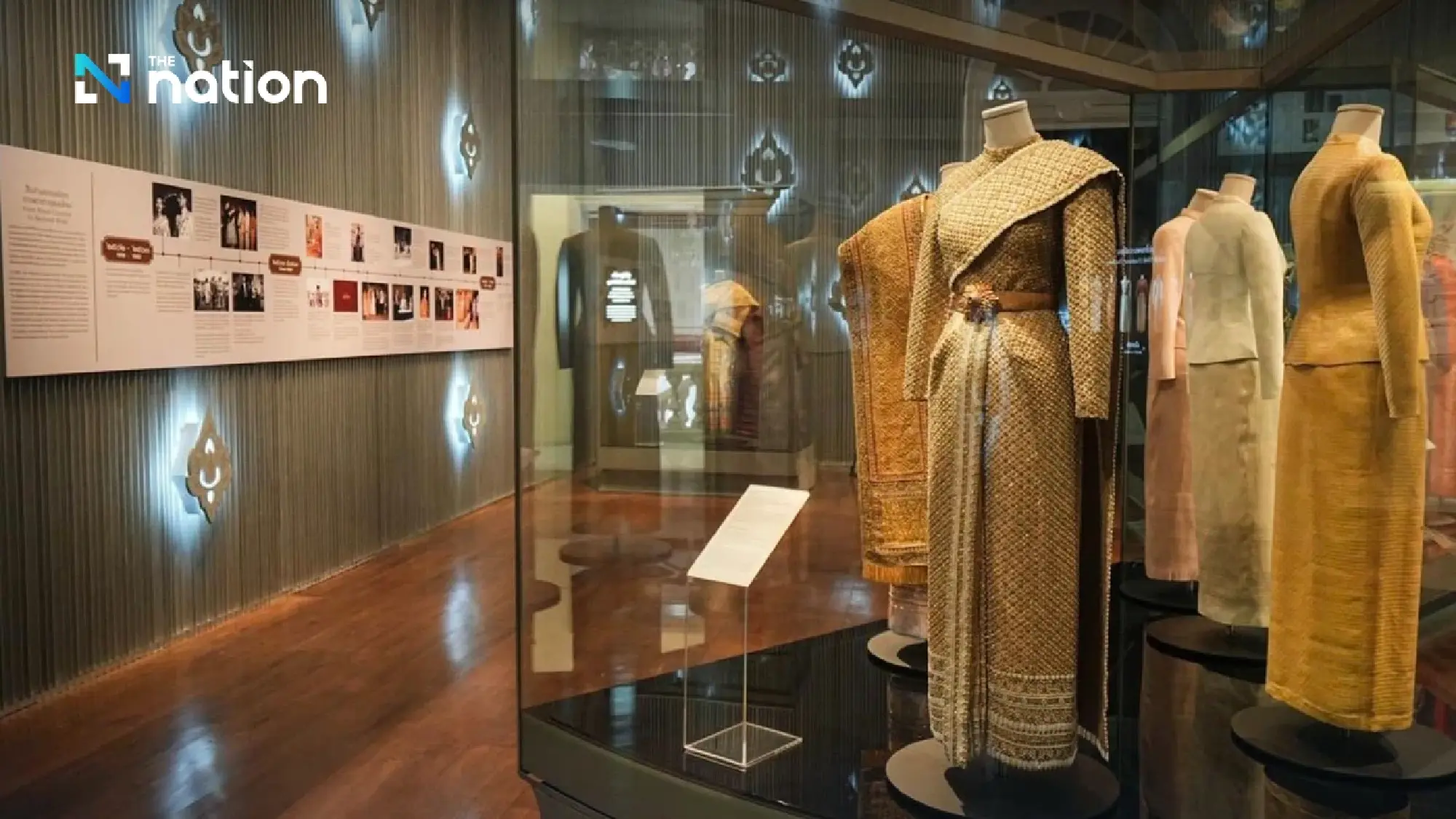
A key part of the talks focused on Thailand’s nomination of “Chud Thai: The Knowledge, Craftsmanship and Practices of the Thai National Costume” for inscription on UNESCO’s Representative List of the Intangible Cultural Heritage of Humanity.
The government sees the move as a way to promote Thai identity internationally while supporting the creative economy, including fashion, textiles, craftsmanship and tourism.
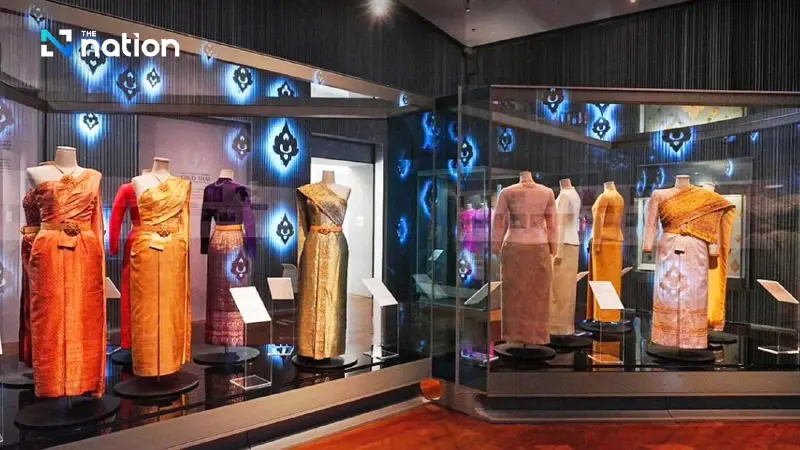
Thailand is also using the major Paris exhibition “La Mode en Majesté – Royal Thai Dress: From Tradition to Modernity” to promote Thai dress on the global stage. The exhibition is being held at the Musée des Arts Décoratifs in Paris from May 13 to November 1, 2026, and features more than 200 pieces, including royal gowns, garments, accessories and works linked to Thai and French design cooperation.
Thai officials have also highlighted a major showcase linked to the exhibition on May 25.

Royal Thai dress showcased in Paris
The exhibition presents royal attire associated with Her Majesty Queen Sirikit The Queen Mother, together with the eight styles of Chud Thai Phra Ratcha Niyom, or royally endorsed Thai national costumes.
It also highlights Thai craftsmanship, textiles and the evolution of royal court dress, while supporting Thailand’s UNESCO nomination for Chud Thai in 2026.
The exhibition is part of celebrations marking Thailand-France relations and has drawn international media attention for presenting Thai dress as both cultural heritage and fashion diplomacy.

UNESCO visit highlights wider heritage push
Thailand also used the UNESCO director-general’s visit to underline its broader push for heritage recognition.
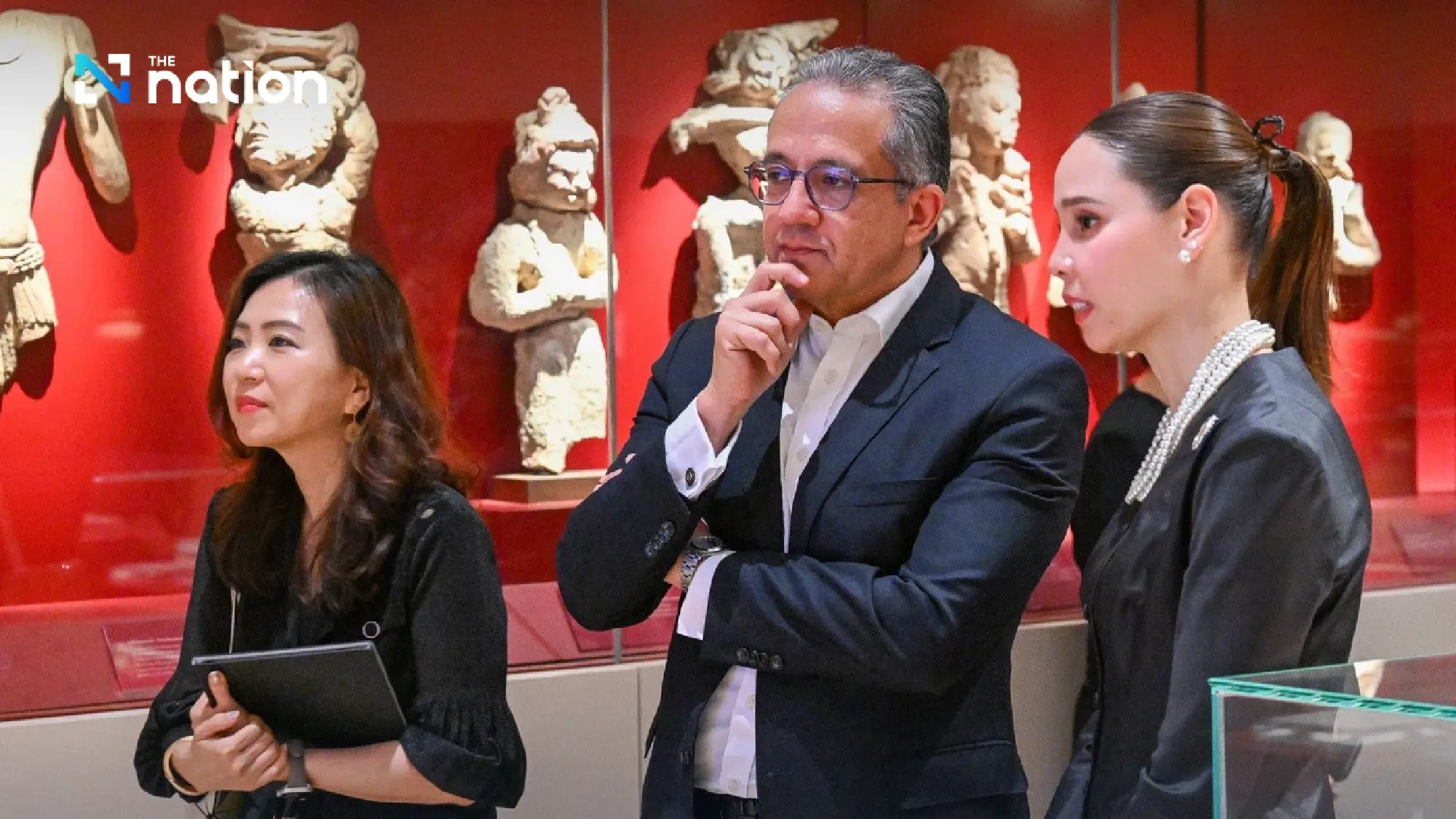
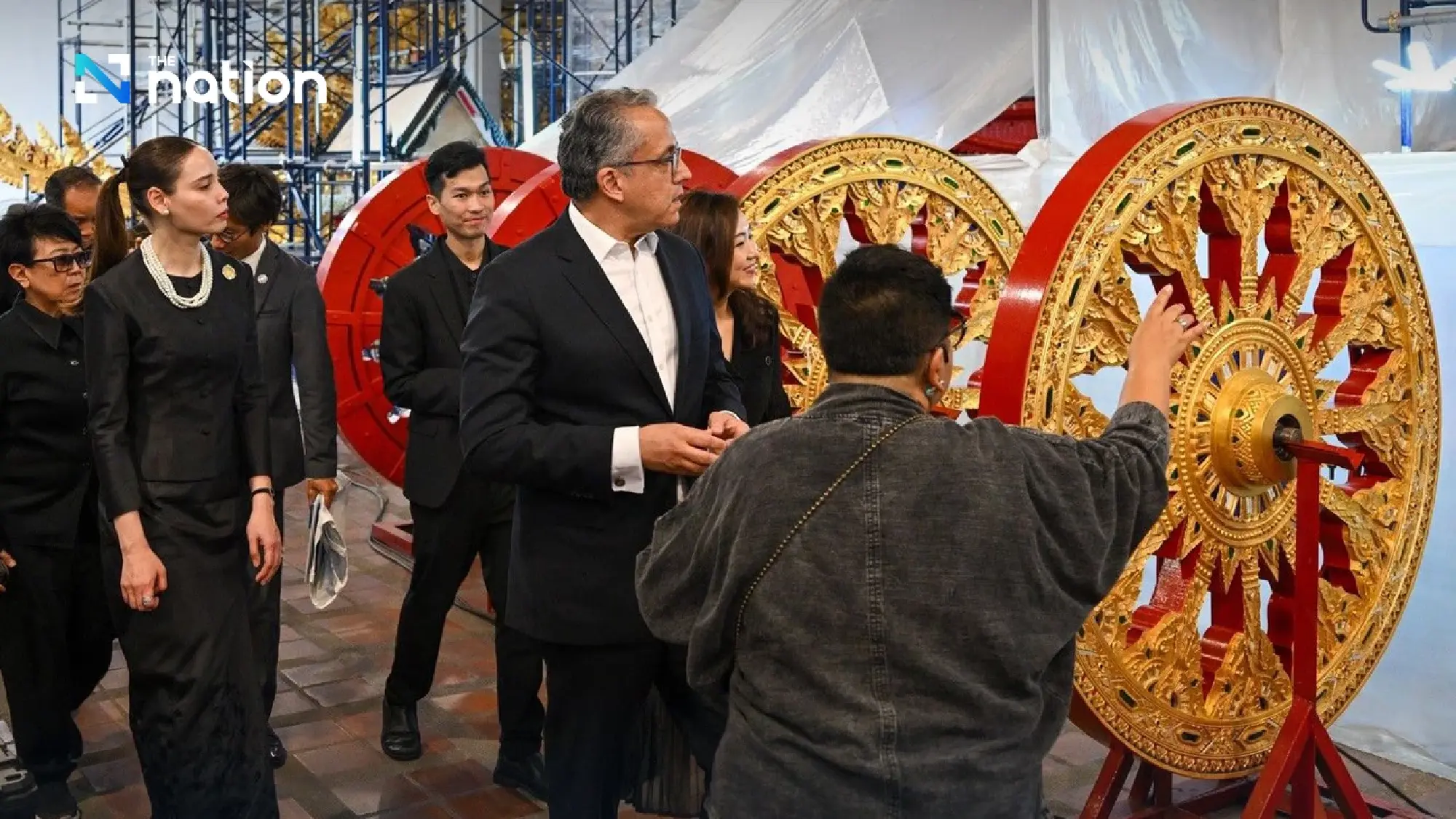
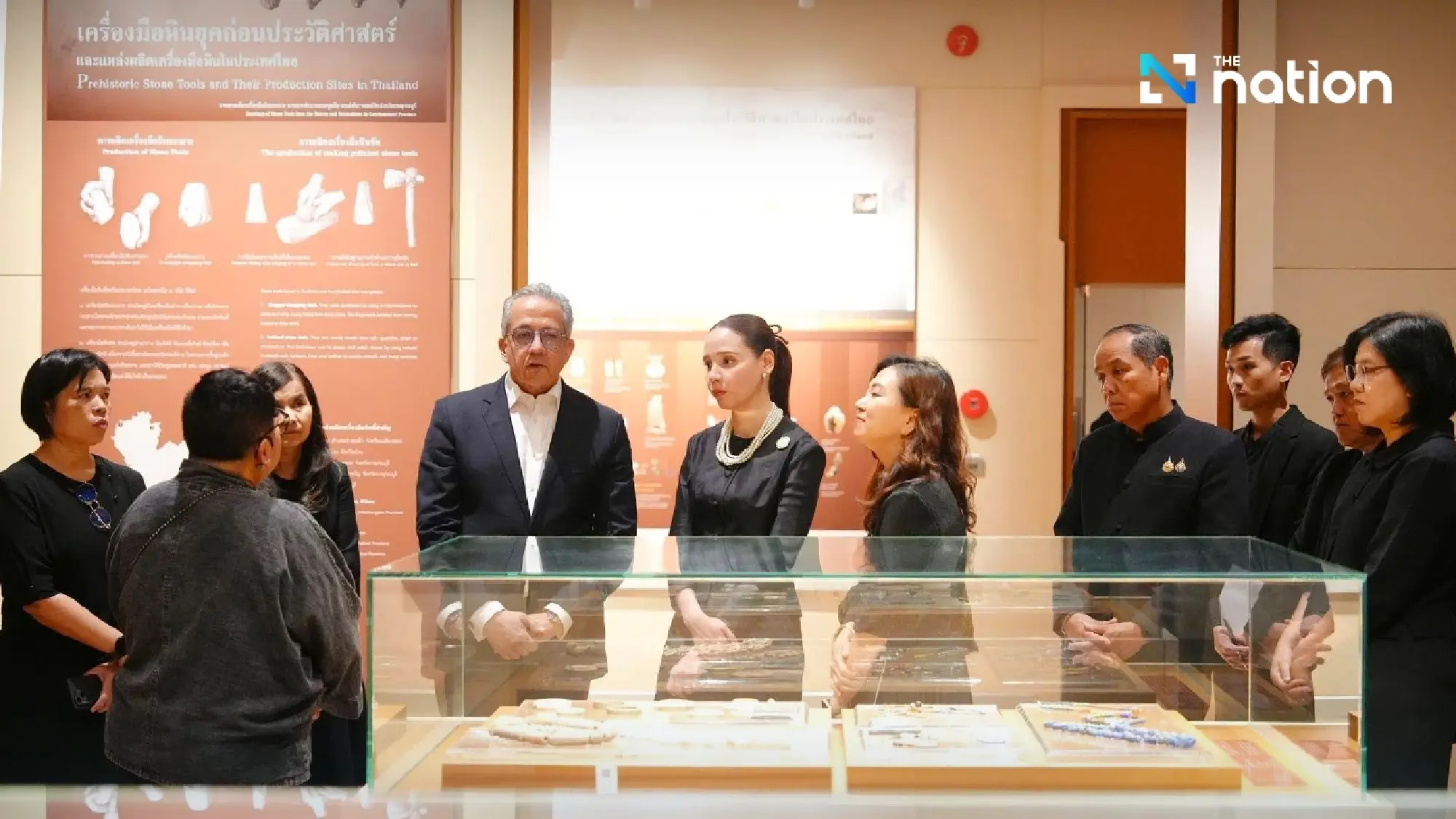
Culture Minister Sabeeda Thaised welcomed Khaled Ahmed El-Enany Ali Ezz at the National Museum Bangkok on May 16 and led him on a visit to view valuable antiquities from Thai cultural heritage sites, including Ban Chiang and Si Thep, as well as the Royal Chariot Hall.
Thailand currently has eight sites inscribed on the UNESCO World Heritage List, including five cultural sites and three natural sites. UNESCO’s tentative list for Thailand includes Wat Phra Mahathat Woramahawihan in Nakhon Si Thammarat and Monuments, Sites and Cultural Landscape of Chiang Mai, Capital of Lanna.
The Cabinet has already approved the nomination of Chiang Mai as a cultural landscape for UNESCO World Heritage consideration, allowing Thailand to move forward with the submission process.

Geoparks and new heritage sites promoted
The government is also seeking support for new Thai heritage and geopark nominations, including efforts to promote Wat Phra Mahathat Woramahawihan and Chiang Mai-Lanna as future World Heritage sites.
In addition, Thailand is pushing to upgrade Khon Kaen Geopark and Ubon Ratchathani Geopark towards UNESCO Global Geopark status, following earlier recognition for Satun and Khorat.
Officials say these efforts are aimed at strengthening cultural tourism, community income and local conservation.

AI governance added to UNESCO cooperation
Beyond culture, Thailand and UNESCO also discussed the country’s plan to establish an AI Governance Centre under the Electronic Transactions Development Agency in cooperation with UNESCO.
The centre is intended to support ethical AI development and regional cooperation in the Asia-Pacific. UNESCO has also proposed that Thailand host a global education meeting in the first quarter of 2027, following Thailand’s role in organising the Global Forum on the Ethics of Artificial Intelligence with UNESCO in 2025.

Thailand links soft power with economy
The government said cooperation with UNESCO would help Thailand create new opportunities in the economy, culture and technology.
If the push for Thai dress, new World Heritage sites and stronger cultural cooperation succeeds, officials expect it to support tourism, creative industries, local communities and Thai craftsmanship.
The UNESCO director-general’s visit is therefore being framed as more than a diplomatic courtesy call. It is being used as a platform for Thailand to promote soft power, heritage and technology as part of a wider international strategy.

