
Thai Heritage Threads and Flavours Head to World Stage
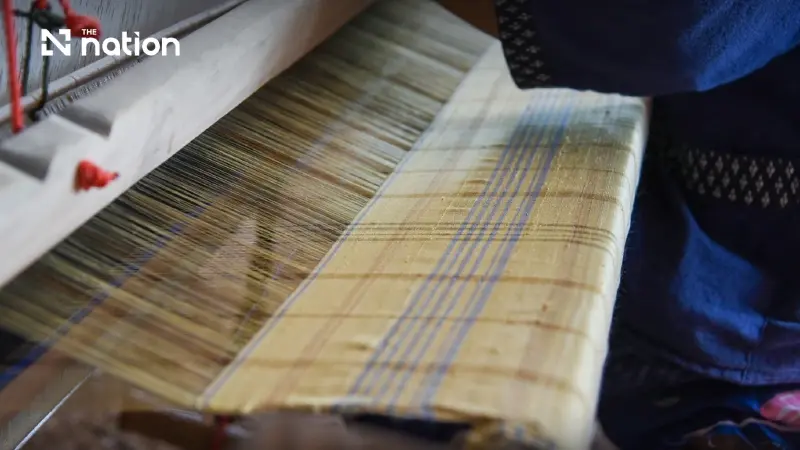


From Pattani batik to Doi Tung vanilla, Thailand's textiles and GI ingredients take centre stage at the 2026 IMF-World Bank meetings
- Thailand will showcase its heritage textiles and Geographical Indication (GI) food products at the 2026 IMF-World Bank annual meetings in Bangkok.
- The event will feature 37 unique handwoven textile patterns from across the country, such as Pattani batik, which will be integrated into the venue's decor.
- A curated culinary program will serve dishes made with regional GI ingredients like Doi Tung vanilla, Ban Pho tilapia, and specialty rice to international delegates.
- The initiative is a deliberate exercise in "soft power" designed to promote the value of Thai craftsmanship and agricultural abundance to a global audience.
From Pattani batik to Doi Tung vanilla, Thailand's textiles and GI ingredients take centre stage at the 2026 IMF-World Bank meetings.
When 15,000 delegates from 191 countries gather in Bangkok this October for the 2026 Annual Meetings of the International Monetary Fund (IMF) and the World Bank Group, they will find more than economic policy on display.
Woven into the walls of the venue and served across every coffee break, luncheon and gala dinner will be a curated showcase of Thailand's regional craftsmanship and culinary heritage — a deliberate exercise in soft power designed to leave a lasting impression on the world's financial elite.
The meetings, often described as the "Olympics of Finance", will run from 12 to 18 October at the Queen Sirikit National Convention Centre (QSNCC) in Bangkok.
Alongside the policy agenda, organisers have built a parallel showcase of handwoven textiles and Geographical Indication (GI) ingredients, intended to demonstrate what they describe as the value of Thai artistic wisdom and agricultural abundance to an international audience.

Thirty-Seven Patterns, One Nation
At the heart of the display are handwoven textiles curated from 21 provinces and 26 communities across the country, amounting to 37 unique heritage patterns in total.
Rather than being confined to display cases, the textiles have been worked into the fabric of the venue itself, used as acoustic panelling and decorative elements throughout the meeting rooms.
Among the pieces selected is the hand-painted "Buppha Borom Rachineenart" (Queen Mother Floral Batik), produced by Batik de Nara in Pattani province, in Thailand's south.

The design combines graceful vine motifs with royally named flowers, including golden-yellow roses symbolising nobility and pale orchids representing pure love.
The group behind the batik also runs skills programmes for local youth, connecting traditional craftsmanship with contemporary design to generate income for artisans and their households.
"We are deeply honoured that our textile was selected for display at a World Bank event," the group said, adding that seeing the royal-inspired batik presented to an international audience filled the community with pride.
From the north, the Tai Lue Weaving Group of Sri Don Chai, in Chiang Rai's Chiang Khong district, has contributed a textile bearing the "Koh Yod and Maeng Mum" (Spire and Spider) pattern.
The Koh Yod motif, an ancient design exclusive to Tai Lue weavers, takes the form of geometric spires resembling banana shoots reaching towards the sky — a symbol, in Tai Lue tradition, of new beginnings, abundance and prosperity.

Woven alongside it, the Maeng Mum motif draws on the ordered symmetry of a spider's web to represent the tight-knit bonds of family and community life.
The central region is represented by the Ban Hat Siao Weaving Group of Sukhothai Province, whose Pakaoma cloth features the "Chang Ban Hat Siao" (Hat Siao Elephant) pattern.
For the Tai Phuan community there, the Pakaoma is a fixture of daily life from birth to old age, and the group won national recognition in 2017 for its transformed Pakaoma designs.
The elephant motif, distinguished by a howdah on its back, recalls a Sukhothai-era saying about riding elephants to trade — a nod to a time when the animals were symbols of power and vital means of trade and travel.

The design was developed in collaboration with students from Dhurakij Pundit University.
"It has also inspired younger generations to continue this cultural heritage, because they can now see that what their grandparents created by hand is something the world stops to admire," said Sujin Phothiwichit of the Ban Hat Siao Weaving Group.

A Taste of the Regions
The culinary programme has been built around Thailand's Geographical Indication products, ingredients whose quality and character are tied to their place of origin.
Tilapia served at the summit is sourced from Ban Pho district in Chachoengsao province, where an integrated breeding and cultivation hub, supported by favourable water conditions, produces fish prized for its firm texture and clean taste.
Cocoa comes from Tha Sala district in Nakhon Si Thammarat, where beans grown through integrated farming — intercropped with rubber and fruit orchards — have earned international recognition for their distinctive aroma and flavour.
Vanilla and macadamia, meanwhile, trace their origins to the Doi Tung Development Project in Chiang Rai, established under a royal initiative of Princess Srinagarindra, the Princess Mother, to tackle poverty, narcotics and environmental degradation in the area.
Guided by a principle of reforesting the land and restoring livelihoods, the project has since transformed degraded hillsides into productive farmland, producing vanilla and macadamia of internationally recognised quality alongside sustainable livelihoods for hill-tribe communities.
These ingredients will appear alongside regional staples such as Phayao Jasmine Rice and Sangyod Muang Phatthalung Rice across the full range of hospitality offerings, from executive coffee breaks to formal dinners.
Organisers describe the menu as a deliberate effort to champion Thailand's culinary soft power, weaving regional storytelling and sustainability standards into every dish served. More than 70 per cent of ingredients used throughout the event, they say, are sourced locally from grassroots communities.

From Farm to Formal Dinner
The chefs behind the menu describe their task as balancing authenticity with the practical demands of catering for delegates from across the globe, who require dishes that are quick, convenient and easy to eat between sessions. Several dishes have been designed specifically to carry regional narratives onto the plate.
"Khao Yam Huajai Thai" (The Heart of Thailand Rice Salad) weaves GI rice and ingredients from across the country into a single dish intended to reflect the spirit of Thai farmers.
"Torched Dry-Aged Tilapia with Khao Yai Miso Sauce" takes what organisers call "The Father's Fish" — a reference to the freshwater tilapia introduced to Thailand under royal patronage — and elevates it through dry-ageing techniques and a fermented miso sauce.
Mango sticky rice, meanwhile, makes an appearance in a modern presentation that retains its familiar, well-loved flavours, alongside a curated Thai fruit cart offering seasonal GI fruits and a coffee break selection of snacks infused with local ingredients.

Taken together, the textiles and ingredients form a second track to the summit's economic agenda — one aimed less at policymakers than at the senses. For the weaving groups and farming communities involved, the exercise carries its own significance: a chance for crafts passed down through generations and ingredients grown in specific corners of the country to be seen and tasted by a global audience gathered, however briefly, in Bangkok.
