
Why The Devil Wears Prada still rules, 20 years on
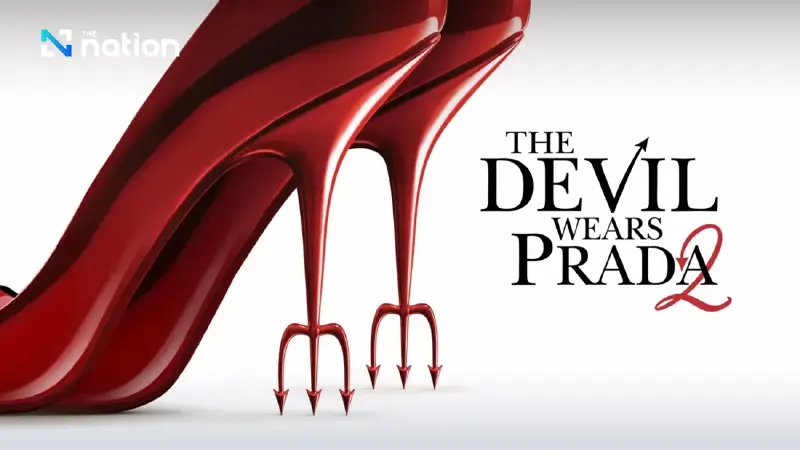


As The Devil Wears Prada 2 heads for an April 30, 2026 release, the original film remains a fashion-world classic with lasting cultural bite
When The Devil Wears Prada opened in 2006, it arrived as a glossy, witty film set inside the rarefied world of fashion publishing. But over the years, it has grown into something far more lasting. Nearly two decades on, it remains one of those rare films that fashion insiders and mainstream audiences continue to love in equal measure.

Its staying power is now back in the spotlight as The Devil Wears Prada 2 prepares for release on April 30, 2026, with David Frankel returning to direct and Aline Brosh McKenna back on script duties. The sequel also brings back Meryl Streep, Anne Hathaway, Emily Blunt and Stanley Tucci, while expanding the cast with Kenneth Branagh, Lucy Liu, Justin Theroux, B.J. Novak and Pauline Chalamet.
The original film told the story of Andrea “Andy” Sachs, played by Hathaway, a smart young graduate who wants to become a journalist. She lands what is supposed to be a career-making opportunity: a job as assistant to Miranda Priestly, the fearsome editor-in-chief of Runway, played with icy brilliance by Streep. Andy enters that office with no real understanding of fashion, no instinct for its codes and no sense of how brutal the environment around Miranda can be.

That is what made the film work from the start. Andy is not introduced as someone glamorous or naturally suited to that world. She is intelligent, ambitious and capable, but she is also visibly out of place. Because of that, viewers are pulled into Runway through the eyes of an outsider. The audience learns the rules as Andy learns them, and feels the pressure as it closes in around her.
Miranda, of course, is at the centre of that pressure. She is demanding, cold, brilliant and impossible to please. Everything in the office bends around her moods and expectations. Emily Charlton, played by Blunt, only sharpens the tension. She is cutting, impatient and already shaped by the same punishing system Andy is only beginning to understand. Nigel, played by Tucci, offers one of the few more nuanced presences in the room, but even he belongs fully to that world in a way Andy does not.

As Andy adapts, the film becomes much more than a comedy about a nightmare boss. It turns into a story about transformation and compromise. To survive, Andy learns how to dress the part, speak the language and anticipate the impossible demands being placed on her. But the more effective she becomes, the more the cost begins to show. Her time disappears. Her relationships fray. Her sense of self starts to shift under the weight of professional success.

That emotional tension is one of the main reasons the film has lasted. The Devil Wears Prada is stylish and quotable, but what keeps it alive is that it understands something real about early adulthood. It captures the moment when work stops being abstract and starts reshaping your life. It understands the seduction of recognition, the thrill of being chosen and the danger of becoming someone you no longer recognise in return.
In the end, Andy earns something she had spent the whole film chasing: Miranda’s approval. She proves she can thrive in that world. Yet the film’s most important choice is that she walks away. She decides that success on those terms is not success she wants. That decision gave the film a deeper emotional afterlife. It was never just a fantasy about getting inside fashion’s inner circle; it was also about holding on to your values when ambition begins to rewrite them.

The film’s fascination with the fashion industry also helped turn it into a cultural landmark. For many viewers, it offered a thrilling look behind the curtain. It showed the machinery behind a major fashion magazine: the endless clothing pulls, model decisions, concept-building, prestige, panic and performance that go into the making of an image. It made that world look dazzling, but also exhausting and merciless.
It also carried an added layer of intrigue because Miranda Priestly was long seen as being inspired by Vogue’s Anna Wintour, one of the most powerful real-life figures in fashion media. That connection helped blur the line between fiction and reality, making the film feel like both entertainment and a sly insider portrait of a world many people were curious about. Variety has continued to frame the sequel’s appeal in terms of that same fashion-media legacy.
Now the sequel arrives in a very different landscape. According to Variety and Deadline, the new film is expected to revolve around the decline of print publishing, forcing Miranda to navigate an industry that no longer revolves around the same old centres of power. Emily, once her overworked assistant, is now positioned much higher up the ladder and may control the kind of luxury advertising money Miranda needs. That reversal alone gives the sequel a strong dramatic hook.
That is what makes The Devil Wears Prada 2 more than a nostalgia exercise. The first film belonged to the age of glossy magazine dominance. The sequel steps into a world remade by digital media, influencer culture, brand power and the erosion of traditional editorial authority. Fashion is still obsessed with image, but the people who shape it now wield influence in very different ways.
So why is The Devil Wears Prada still a legend after 20 years? Because beneath the couture, the satire and the memorable one-liners, it understood ambition with unusual clarity. It knew that glamour could be intoxicating, that work could become identity, and that success could come with a personal cost. It offered audiences style, but it also gave them a story about pressure, reinvention and self-respect that still feels recognisable now.
That is why the film endures. And that is why, after all this time, people are still ready to step back into Miranda Priestly’s world.
