
Thai GI coffee sales top THB1.49bn in 2025: IP Dept
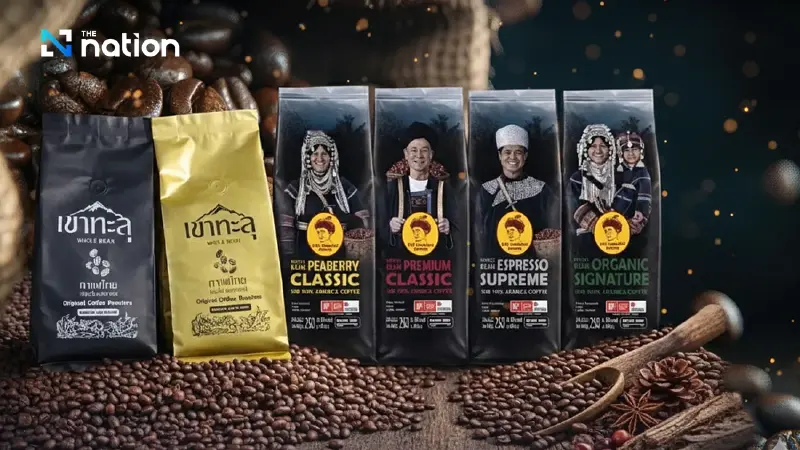


Thai GI coffee sales reached THB1.497bn in 2025, led by Nan’s Doi Suan Ya Luang; Ranong and Chumphon coffees also ranked in the top five
Thailand’s GI-registered coffee products generated total sales of 1.497 billion baht in 2025 (B.E. 2568), with the top five items alone accounting for 1.318 billion baht, according to the Department of Intellectual Property.
Director-General Oramon Sapthaweetham said Thailand currently has 11 GI coffee registrations across eight provinces: Doi Tung (Chiang Rai), Doi Chang (Chiang Rai), Thep Sadet (Chiang Mai), Doi Suan Ya Luang Nan, Doi Muser Tak, Wang Nam Khiao (Nakhon Ratchasima), Dong Mafai (Nakhon Ratchasima), Ranong, Khao Thalu (Chumphon), Tham Sing Chumphon and Krabi Town coffee.
She said each GI coffee has distinctive characteristics linked to its production area — including altitude, rainfall, temperature, soil composition, and local farming know-how — which shape flavour, aroma and other unique qualities, creating strong economic value and consumer recognition.
Top five Thai GI coffees by market value (2025)

1) Doi Suan Ya Luang Nan coffee
The highest-value Thai GI coffee, with sales of more than 526 million baht from output of 2,257 tonnes. Average retail price is about 500 baht per kilogramme, up 1.78 times from 280 baht/kg before GI status. The arabica is grown in Doi Suan Ya Luang, Tha Wang Pha district, Nan, at 1,000–1,500 metres above sea level, producing a profile described as chocolate, nut and fruit aromas with a rounded, intense taste and a distinctive herbal spiciness.

2) Ranong coffee
Sales of more than 262 million baht from output of 947 tonnes. Average retail price is about 600 baht/kg, up 7.5 times from 80 baht/kg pre-GI. A robusta variety with a history of introductions from Penang more than a century ago, Ranong is described as the largest robusta producer in Thailand’s Andaman-side South and the country’s second-largest overall, with bold flavour and a distinctive aroma.

3) Khao Thalu coffee (Chumphon)
Sales of more than 234 million baht from output of 390 tonnes. Average retail price is about 450 baht/kg, up 1.95 times from 230 baht/kg pre-GI. A robusta grown in Khao Thalu subdistrict, Sawi district, at about 200–300 metres above sea level, with mineral-rich soils and organic matter — including bat guano — contributing to a strong, full-bodied profile.

4) Doi Chang coffee (Chiang Rai)
Sales of more than 160 million baht from output of 75 tonnes. Average retail price is about 1,600 baht/kg, up 1.43 times from 1,120 baht/kg pre-GI. An arabica grown at 1,000–1,700 metres, noted for balanced flavour, light freshness and a hint of sweetness. The department noted it is also GI-registered in the EU and Japan.

5) Tham Sing Chumphon coffee
Sales of more than 136 million baht from output of 120 tonnes. Average retail price is about 850 baht/kg, up 1.7 times from 500 baht/kg pre-GI. A robusta grown on limestone foothill plains at 85–120 metres above sea level, processed using a specific fermentation and sorting method, producing a rich, smooth taste with fruity aromas likened to cherry.
Oramon said the department will continue upgrading Thai GI coffee by adding value to products with strong local identity, controlling quality, and expanding domestic and international market opportunities, with the aim of improving Thai coffee competitiveness globally and strengthening sustainable incomes for farmers, aligned with the Commerce Ministry’s “Quick Big Win” policy.
