
Govt introduces economic measures to curb agricultural burning and reduce PM2.5 pollution
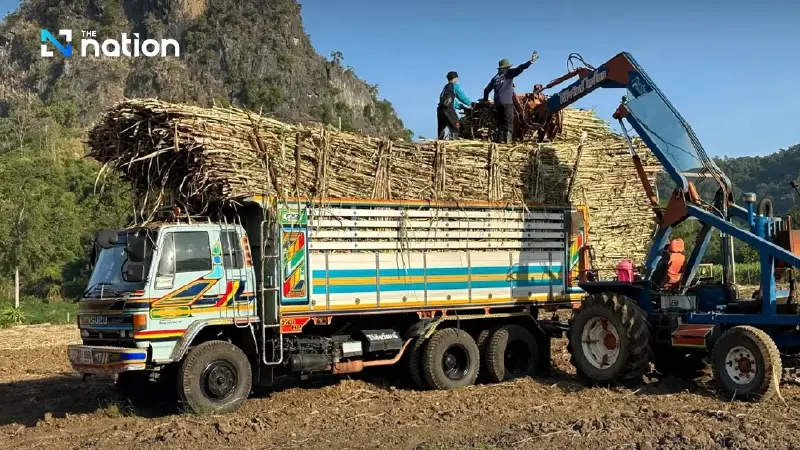


Thailand rolls out economic measures to reduce agricultural burning, with incentives for using agricultural waste as fuel, to combat PM2.5 pollution.
Surin Worakijthamrong, Director General of the Pollution Control Department, announced that on October 15, 2025, the National Environmental Board approved new measures to tackle the annual challenges of wildfires, haze, and PM2.5 pollution. The measures focus on the agricultural sector, particularly the burning of agricultural waste, and utilise economic mechanisms to incentivise the reduction of fires.

The Ministry of Natural Resources and Environment (MNRE), alongside the Ministry of Industry, and other relevant agencies, has already begun discussions to implement these measures effectively. The Ministry of Industry has set a target for burnt sugarcane (a major cause of agricultural burning) to make up no more than 15% of total sugarcane production throughout the season.
Surin added that authorities also proposed customs duty exemptions for importing sugarcane harvesting equipment and offered government financial support to encourage farmers to harvest fresh sugarcane and sell sugarcane leaves and tops to biomass power plants. A "war room" has been set up to track the real-time flow of sugarcane into mills.

Surin confirmed that the MNRE, together with the Ministry of Industry and the Ministry of Energy, will promote biomass power plants that use sugarcane leaves and tops as fuel. The government has also signed Power Purchase Agreements (PPAs) for electricity at appropriate rates. The Greenhouse Gas Management Organisation and the Board of Investment will support the use of carbon credits to incentivise non-burning sugar production, in line with the Ministry of Industry’s initiative to promote "Green Sugar" — sugar produced without burning.

The meeting also proposed that the Board of Investment enhance the sugarcane industry and encourage power plants and industrial factories to buy sugarcane leaves as fuel, aiming for a 20-30% share. Additionally, the Ministry of Finance was urged to provide tax incentives for factories purchasing sugarcane leaves as fuel to address PM2.5 pollution caused by agricultural burning in a sustainable way.
Surin concluded by stating that these efforts would help mitigate the PM2.5 crisis, reduce the impact of agricultural burning, and create long-term solutions for Thailand's environmental challenges.
