
Anutin: No head-to-head talk with Hun Manet in Kuala Lumpur
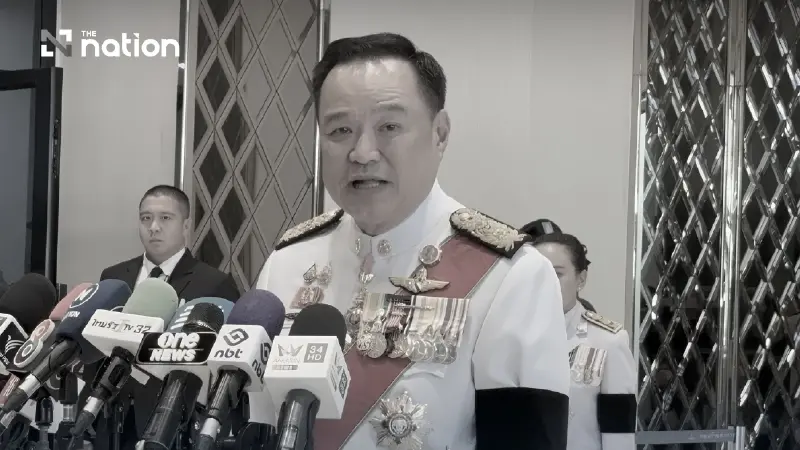


Anutin clarifies no one-on-one talk with Hun Manet as Thailand and Cambodia sign the Kuala Lumpur Peace Accord to rebuild trust and end border tensions.
- Prime Minister Anutin Charnvirakul confirmed he did not hold a one-on-one, bilateral meeting with his Cambodian counterpart, Hun Manet, while in Kuala Lumpur.
- Both leaders were in the city to sign a joint declaration on rebuilding peace and ending border hostilities between their two nations.
- Despite the lack of a direct meeting, Anutin stated he expects to have future discussions with Hun Manet to ensure the implementation of the newly signed agreement.
Anutin clarifies no bilateral meeting with Cambodian PM
Prime Minister Anutin Charnvirakul said he did not hold a one-on-one discussion with his Cambodian counterpart, Hun Manet, during his visit to Kuala Lumpur for the signing of a joint declaration on peace rebuilding.
Speaking to reporters upon returning from Kuala Lumpur at 3 p.m. on Sunday, Anutin said he had an opportunity to speak with US President Donald Trump, whom he asked to support Thailand in matters of trade and reciprocal tariffs.
He added that he had invited President Trump to make an official visit to Thailand, noting that no US president had visited the Kingdom for a decade. Trump, he said, agreed to consider the invitation.
Thailand and Cambodia begin peace-building process
Anutin said Thailand and Cambodia would immediately begin the process of rebuilding peace and trust between the two countries following the signing of the joint declaration on the outcomes of the prime ministers’ meeting in Kuala Lumpur.
He said the armed forces of both countries were coordinating to implement the measures outlined in the declaration.
Although he did not hold a bilateral meeting with Hun Manet, Anutin said he expected to engage in further discussions with his Cambodian counterpart to ensure the agreement’s implementation.
“Each country must work to implement the conditions in the joint declaration as soon as possible so that the situation can progress towards peace,” Anutin said.
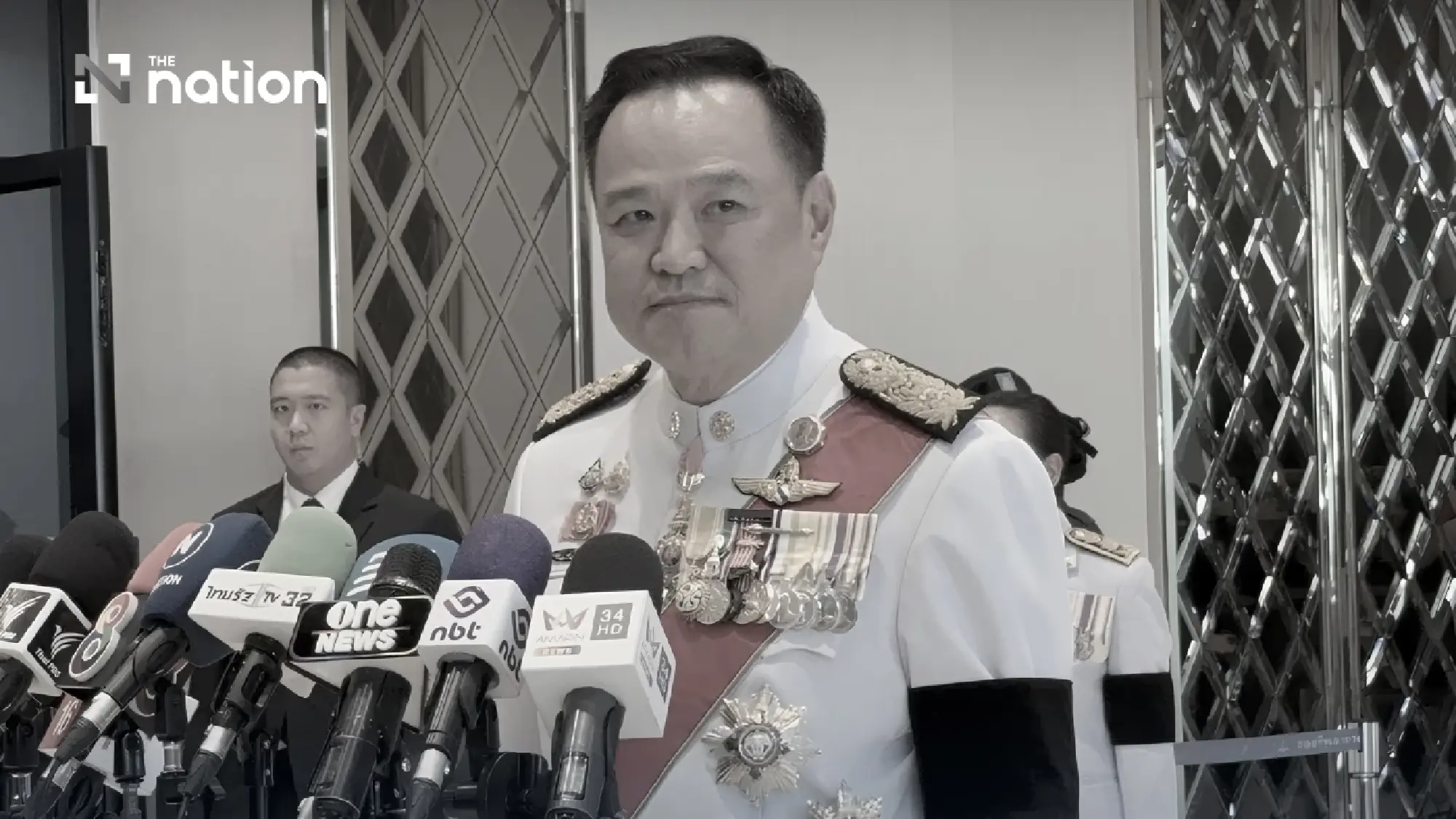

Implementation before improved ties
When asked whether this marked the beginning of renewed friendly ties, Anutin said there were still several steps to take before relations could improve. Cambodia, he stressed, must first fulfil the agreed conditions, after which Thailand would evaluate the progress before moving to the next stage.
Asked whether the border conflict had officially ended, Anutin replied that the terms of the joint statement must first be fulfilled.
He added that the signing was witnessed by ASEAN leaders and President Trump, ensuring that the agreement and its conditions were recognised by the international community.
Kuala Lumpur Peace Accord aims to end border hostilities
The Joint Declaration by the Prime Minister of the Kingdom of Cambodia and the Prime Minister of the Kingdom of Thailand on the Outcomes of Their Meeting in Kuala Lumpur, Malaysia aims to end months of border hostilities and follows the initial ceasefire agreement reached in July.
Key provisions of the joint declaration
Cessation of hostilities and principles
- Reaffirms the commitment to refrain from the threat or use of force, promote peaceful dispute resolution, and respect international law.
- Recognises the cessation of active hostilities upon effective implementation of agreed measures.
Military de-escalation and confidence-building
- Release of prisoners of war: Thailand commits to promptly releasing 18 detained Cambodian soldiers as a confidence-building measure.
- Withdrawal of weapons: Both sides pledge to remove heavy and destructive weaponry from the border zones under a phased plan.
- Joint de-mining: Commits to humanitarian mine-clearance operations in border areas to protect civilian lives.
- Refraining from harmful rhetoric: Both governments agree to avoid false information, accusations, and inflammatory statements.
Monitoring and verification
- ASEAN Observer Team (AOT): Establishes and formalises the Terms of Reference (TOR) for a regional monitoring team to ensure compliance.
- Working groups: Each side will designate teams to draft a practical step-by-step plan for troop withdrawal and implementation.
Long-term resolution
- Reaffirms commitment to border settlement and demarcation through peaceful means and in accordance with international law.
- Recognises existing bilateral mechanisms — including the Regional Border Committee, General Border Committee, and Joint Boundary Commission (JBC) — as the key channels for addressing border issues.
