
Japan hit hard as China imposes tourism sanctions amid diplomatic tensions
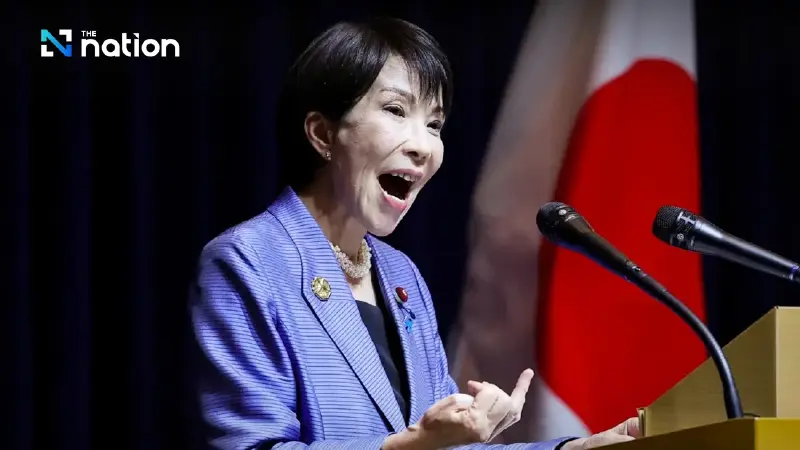


China’s travel sanctions following diplomatic tensions with Japan have triggered mass flight cancellations, severe tourism losses and a projected ¥2.2tn annual economic impact
- Diplomatic tensions have escalated after Japan’s prime minister made remarks regarding Taiwan, prompting China to issue a travel warning and impose tourism restrictions.
- Japan’s tourism sector has been hit immediately, with some tour operators losing over 80% of bookings and more than 500,000 flight tickets already cancelled.
- Analysts estimate the economic impact could reach 2.2 trillion yen per year.

A small Tokyo-based tour company, East Japan International Travel Service, which relies heavily on Chinese tourists, reported an 80% collapse in bookings for the remainder of the year—an abrupt blow that arrived within days of China announcing sanctions.
The company is among the first to feel the direct hit of a tourism boycott that threatens to inflict significant damage on the world’s fourth-largest economy.
Beijing’s travel alert stems from comments made by Japanese Prime Minister Sanae Takaichi about Taiwan, which China claims as its territory.
The fallout triggered a wave of flight cancellations and sent Japan’s tourism-related stocks tumbling.
Yu Jinxin, the company’s deputy president, described the situation as “extremely severe” for small operators like theirs.
Tourism accounts for around 7% of Japan’s GDP, according to the World Travel & Tourism Council. Mainland Chinese and Hong Kong visitors make up about one-fifth of total arrivals.
Nomura Research Institute estimates the sanctions could cause as much as 2.2 trillion yen (US$14.23 billion) in annual economic losses. Tourism stocks have continued to slide since China issued its warning last Friday.
More than 10 Chinese airlines are now offering full refunds for flights to Japan until December 31, with one aviation analyst estimating that over 500,000 tickets have already been cancelled.
No sign of easing tensions
The dispute intensified after Prime Minister Takaichi told Parliament that Japan could consider a military response if China uses force against Taiwan in a manner that threatens Japanese security.
Her remarks sparked strong backlash from Chinese diplomats and state media, prompting Japan to caution its citizens in China to exercise vigilance and avoid crowded areas.
Beijing demanded that Takaichi retract her statement, but Tokyo has maintained that her remarks align with Japan’s official stance — signalling that a short-term diplomatic thaw remains unlikely.
In addition to the travel warning, China has suspended screenings of new Japanese films, while several Japanese celebrities active in China have taken public positions to avoid backlash.
For example, Japanese singer MARiA declared on Weibo:
“China is like my second home, and I have always supported the One China principle.”

Tour operators brace for prolonged crisis
Tour operator Yu recalled facing a similar downturn during the 2012 Senkaku/Diaoyu Islands dispute, which triggered mass protests in China.
However, she warned that the current situation could be far more damaging if it drags on.
“If this lasts for one or two months, we can still endure it.
But if conditions continue to worsen, the impact on our business will inevitably become devastating.”
