
Border steadies after ceasefire, but risks remain: Second Army Area
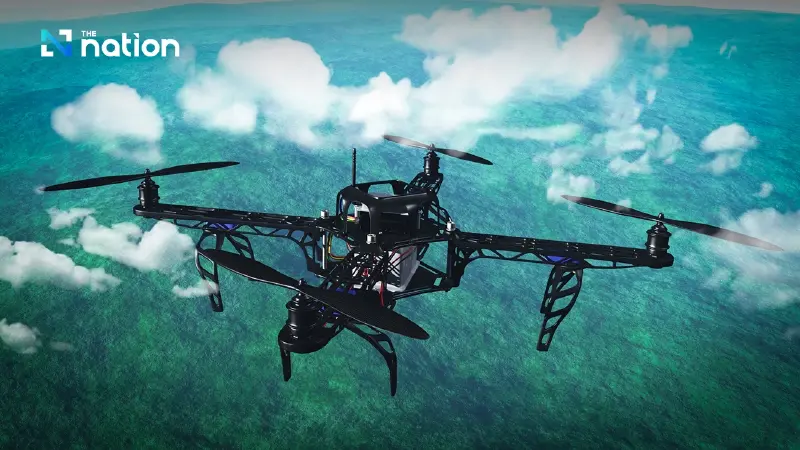


The Second Army Area said the ceasefire’s first day saw no clashes or open fire, but warned landmines and drone surveillance remain threats, demanding vigilance on the border.
- The ceasefire is holding, with the first day passing without the use of heavy weapons or open exchanges of fire.
- Risks persist as Cambodian forces have reportedly shifted to lower-intensity activities, including UAV surveillance, suspected mine-laying, and moving troops through civilian areas.
- Thai forces are maintaining their positions on high alert, increasing precautions against these covert threats while assessing the situation as "tactically calm but territorially tense".
The Second Army Area gave an overview at 10am on Monday (December 29) of conditions along the Thai–Cambodian border on the first day after the ceasefire took effect on December 28.
It said the first full day of the truce passed without any use of heavy weapons or open, reciprocal exchanges of fire.
While tensions have eased, the situation remains fragile and requires close, ongoing monitoring.
The assessment said Cambodian forces appeared to have scaled back clearly identifiable heavy weapons such as artillery and BM-21 multiple rocket launchers, shifting instead to lower-intensity activity.
This included using unmanned aerial vehicles (UAVs) for surveillance and moving troops and supplies via routes running through civilian areas.
Thai forces, meanwhile, have maintained their existing positions, continued surveillance and kept personnel at a high state of readiness.
The report added that both military movements and aerial activity have dropped to a “controlled” level, with no changes in defensive lines or attempts to advance positions.
Thailand is considered to be maintaining overall control of the situation, but has stepped up precautions against less visible threats such as landmines and UAV reconnaissance.
In assessing the other side’s behaviour, the Second Army Area said the pattern pointed to a “political ceasefire” alongside continued low-level military activity.
It said suspected mine-laying, UAV surveillance and the use of civilian areas as routes or staging points appeared aimed at preserving a territorial and intelligence advantage, while reducing the risk of being accused of an obvious ceasefire breach, factors that could pose longer-term security risks for Thai forces.
While Thai troops have maintained orderly control and held their ground, mine-related incidents underscore that asymmetric threats remain high.
The report said patrols, area checks and clearance operations must be tightened, alongside stronger measures to protect personnel during the post-ceasefire period.
In the short term, it forecast the situation would remain “tactically calm but territorially tense”, with the other side more likely to rely on reconnaissance, limited manoeuvres and covert actions than any renewed heavy-weapons confrontation.
Thailand, it said, will need to keep watch over vulnerable areas to prevent escalation or future ceasefire violations.
