
Cambodia hit by LPG shock as major supplier halts sales from April 1
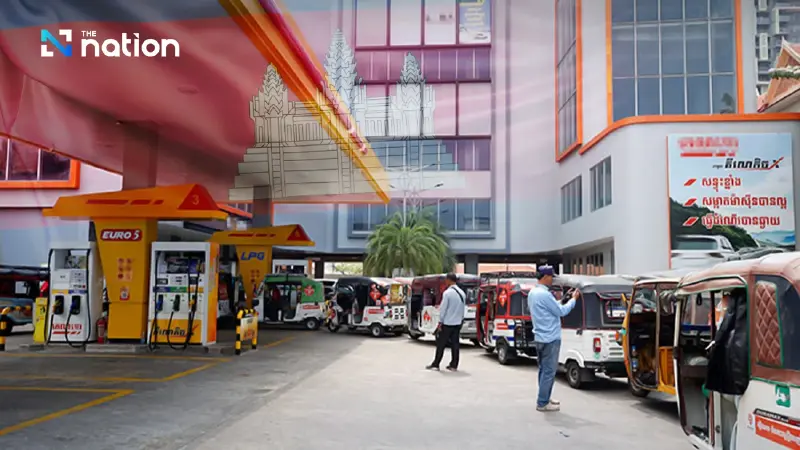


Cambodia faces mounting LPG disruption after Sokimex suspends sales from April 1, deepening fuel pressure on households and public transport
Cambodia is facing fresh energy turmoil after Sokimex, one of the country’s largest fuel suppliers, announced that it would temporarily suspend LPG sales from April 1 after failing to import the fuel since the beginning of March, citing transport disruption linked to the conflict in the Middle East. Sokimex operates about 500 service stations nationwide, making the move a significant blow to fuel confidence in a country that depends almost entirely on imports for its energy needs.
The disruption marks a new phase in Cambodia’s energy crisis. After sharp increases in petrol and diesel prices, pressure is now spreading to LPG, a fuel widely used for cooking in urban households and for vehicles such as tuk-tuks and taxis. According to the source text, LPG prices have already jumped by 60% since March 4, adding to the burden on consumers and transport operators.
Japanese media cited in the source text said the Sokimex announcement triggered a rush among tuk-tuk and taxi drivers to refill gas, while distributors of cooking gas were hit by a surge in orders despite existing shortages. That has intensified fears over fuel availability, particularly for lower-income groups who depend on LPG in daily life.
Cambodia’s Energy Minister, Keo Rottanak, moved quickly to calm public concern, saying Sokimex accounts for only around 3% of the country’s LPG market and insisting there is no nationwide shortage. He said other LPG suppliers were still importing and distributing fuel, and that new deliveries were expected during March and April. He also urged households to reduce LPG use where possible and switch to electric rice cookers and electric stoves in order to preserve supply for public transport drivers.
Even so, conditions on the ground point to growing strain. One LPG dealer in Phnom Penh said his supply of gas for vehicles had run out over the weekend, while cooking gas sold out by Monday afternoon. He said he did not know when fresh stock would arrive, particularly after Sokimex’s decision to stop sales.
The price of a 15-kilogram cooking gas cylinder has surged from US$17 to US$30, while many households using smaller cylinders are being forced to replace them several times a week.
The shock is hitting Cambodia at a difficult moment. Energy prices have risen sharply since the United States and Israel attacked Iran on February 28, prompting the Cambodian government to cut excise tax and value-added tax on petrol and diesel in an effort to ease the burden on consumers. Prime Minister Hun Manet has also announced subsidies on gasoline and diesel and additional relief if international oil prices rise beyond set thresholds.
The worsening fuel crisis is adding pressure to an economy that was already fragile. Cambodia’s 2025 growth came in below expectations amid rising bad loans in the banking and financial sectors, border clashes with Thailand and the impact of US tariff measures. Labour representatives warned that many tuk-tuk and taxi drivers are already seeing income fall while continuing to shoulder heavy monthly debt repayments, with about 85% of drivers said to be in debt.
Analysts say the government may need to move beyond tax relief and consider urgent intervention, including shorter school weeks, wider work-from-home arrangements in the public sector and direct support for vulnerable groups similar to measures used during the Covid-19 period. They also warned of broader risks to Cambodia’s export sector if the regional conflict worsens and disrupts vital shipping lanes, which could raise costs and delay deliveries of garments and footwear bound for Europe and the US East Coast.
The latest LPG disruption underlines how exposed Cambodia remains to external energy shocks. Even if the government succeeds in preventing a full-scale shortage, the suspension by a major supplier has already rattled the market and deepened concern that a prolonged Middle East crisis could inflict wider damage on household budgets, transport costs and the broader economy.
