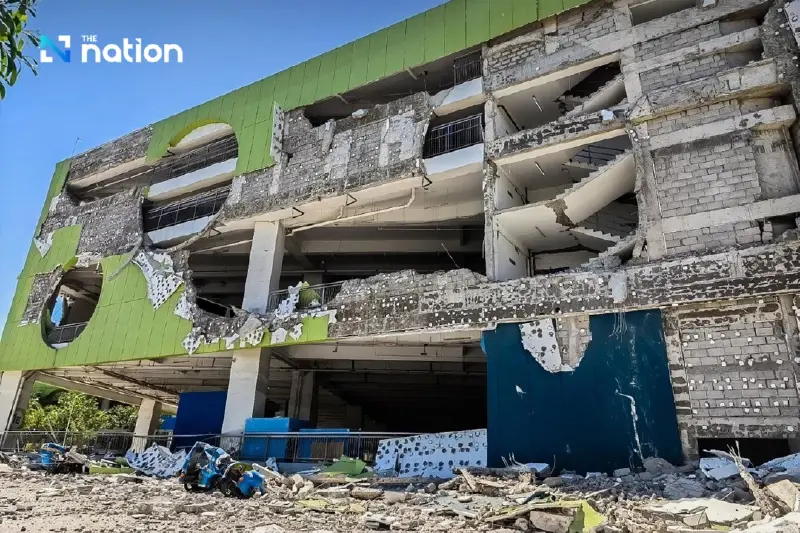
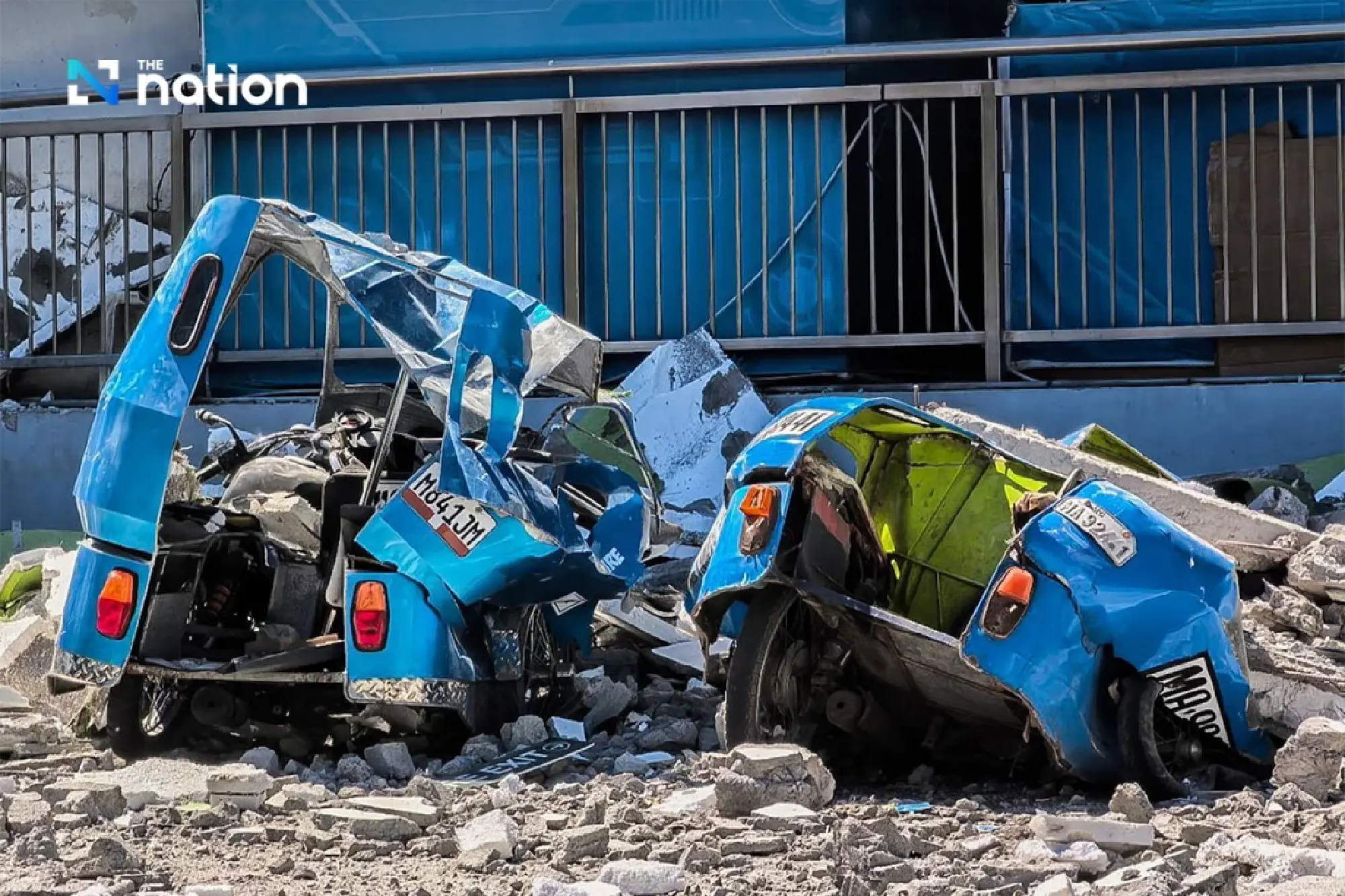
A Mindanao earthquake has renewed scrutiny of induction furnace steel in the Philippines, where 91% of substandard steel is linked to IF production
A recent earthquake in Mindanao has intensified concerns in the Philippines over the safety of construction steel produced using Induction Furnace (IF) technology.
Experts argue IF technology is unsuitable for construction as it fails to properly remove impurities, resulting in brittle steel that is less resistant to earthquakes; a study found 91% of substandard steel in the country came from IF plants.
The issue is a regional concern, highlighted by China's 2017 ban on IF for construction steel following the Sichuan earthquake and a warning from the ASEAN Iron and Steel Council.
Thailand is also addressing similar safety risks, with proposals to create separate standards for IF steel and restrict its use in high-rise buildings and earthquake-prone areas.
A recent earthquake in Mindanao has shaken more than the southern Philippines. It has also brought renewed attention to the country’s construction steel standards, as industry figures and policymakers look more closely at how reinforcing steel is being produced.
The debate centres on the growing use of induction furnace, or IF, technology in steel production. The method has become widely used in the Philippines for producing construction steel bars, but concerns have intensified over whether it is suitable for materials used in buildings and infrastructure.
Bilyonaryo News Channel reported that the Mindanao earthquake had prompted greater scrutiny from both the construction sector and policymakers, with attention focused on domestic steel production standards.
Pek Hoong Chong, executive vice-president and co-chief operating officer of SteelAsia, said more than 30 plants using induction furnaces were now operating across the Philippines.
He cited research by the Philippine Iron and Steel Institute showing that 91% of substandard steel circulating in the country came from induction furnace production.
Chong said IF technology could be effective for producing machine parts, but argued that it should not be used for construction steel. The key problem, he said, is that the system cannot properly remove impurities from the steel.
That limitation can make construction materials more brittle and reduce the ability of structures to withstand disasters, particularly in earthquake-prone areas.
The issue has already led to tougher action elsewhere in Asia. China formally banned the use of induction furnace technology for construction steel production in 2017.
Beijing’s crackdown followed lessons from the devastating Sichuan earthquake, which killed nearly 90,000 people. Investigators later found large amounts of steel produced from induction furnaces among the debris of collapsed buildings.
The findings led Chinese authorities to dismantle IF steel plants with combined production capacity of more than 100 million tonnes, removing them from the country’s industrial system.
Regional concern has also grown in Southeast Asia.
In 2018, the ASEAN Iron and Steel Council warned that the technology posed both economic and safety risks.
The council called on ASEAN governments to block and ban the import of IF equipment, arguing that stronger state action was needed to close regulatory gaps and prevent future losses across the region.
The renewed debate in the Philippines now places steel quality, construction safety and disaster resilience back at the centre of policy attention, especially in countries exposed to earthquakes and rapid urban development.
Thailand has faced similar concerns over IF steel, particularly after the collapse of the State Audit Office building in Bangkok following the March 2025 earthquake. The issue pushed construction steel quality into the national spotlight after inspections found some steel bar samples linked to the collapsed structure failed to meet required standards.
The Industry Ministry later moved to review certification standards for steel made with induction furnace technology, citing both quality-control problems and environmental concerns.
Industry Minister Akanat Promphan said IF furnaces had difficulty removing impurities from molten steel and could not consistently ensure product quality, while electric furnaces were considered more effective in controlling impurities and pollution.
The debate has continued into 2026. The Thailand Structural Engineers Association recently urged the Thai Industrial Standards Institute to create a separate standard for IF steel rather than grouping it with general standard steel. The association also proposed limiting IF steel to small buildings and keeping it out of high-rise projects, major bridges and earthquake-risk zones.
Thai steel groups have also pressed the government to tighten checks before allowing suspended IF plants to resume production. Their proposals include tougher testing, closer scrutiny by the Thai Industrial Standards Institute and the Department of Industrial Works, and a requirement for plants seeking to restart operations to install a ladle furnace as a basic condition.