
Samut Prakan at high risk of permanent flooding, urgent flood prevention plans needed
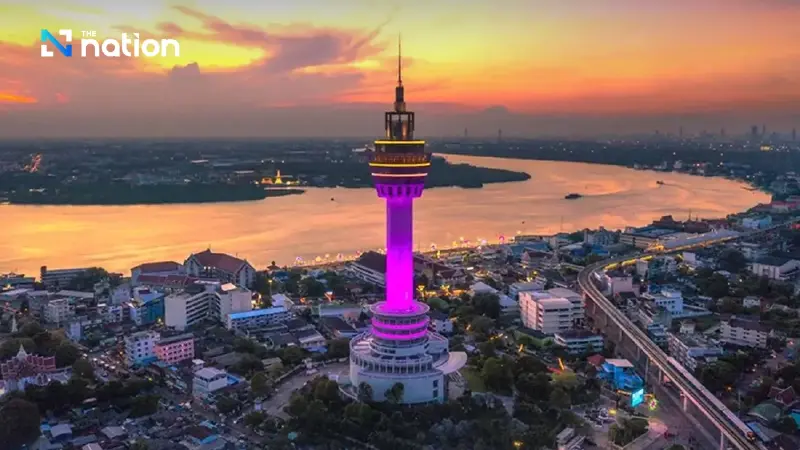


Samut Prakan faces rising risks of permanent flooding due to climate change, with flood modelling showing 30% of the area could be submerged by 2050.
Samut Prakan, a coastal province in central Thailand, is facing increasing risks of permanent flooding due to climate change, with the Thai Meteorological Department warning that sea levels are rising and the region is vulnerable to severe flooding in the future. The area’s proximity to Bangkok makes it a critical point in the region's water management strategy.
Assoc Prof Dr Seri Suprathit, Director of Rangsit University’s Climate Change and Disaster Centre and IPCC expert, highlighted that flooding from upstream water flows, coastal flooding, and flooding due to heavy rainfall will continue to threaten Samut Prakan if long-term planning and preventative measures are not implemented.
He explained that even though upstream water flows may not be the primary cause of flooding in 2025, the sea level rise already affects the Chao Phraya River and its surrounding canals, increasing the risk of flooding. On September 7, 2025, Samut Prakan experienced flooding despite the rainfall not exceeding 70mm, especially in Srinakarin Road, Phraksa Road, and Sukhumvit Road, areas likely to see worsening flooding in the future.

The flood modelling team, led by Dr Seri, in collaboration with ESRI, assessed the potential impacts of flooding in future communities, including Bang Phli, Bang Sao Thong, and Bang Bua districts. Using a model simulating 150mm rainfall over six hours, they found that many areas have a high risk of being submerged, highlighting the need for careful consideration when purchasing property in these regions.
The most concerning prediction is that if sea levels rise by 0.30-0.70 metres by 2050, as projected by the IPCC, 30% of Samut Prakan will be permanently submerged, which would have a direct impact on Bangkok, as Samut Prakan acts as the first line of defence against rising sea levels.
Dr Seri warned, "By the time this happens, it will be too late to fix." He stressed that urgent and serious land-use planning, along with measures to mitigate flooding, are critical for the survival of Samut Prakan residents and the future sustainability of the city.

Local warning systems are key to addressing this issue. While the government has large-scale warning systems like Cell Broadcast and T-Alert, Dr Seri emphasised the importance of localised risk assessments, communication, and preparedness to prevent loss of life and property. Drawing from Japan’s use of J-Alert and L-Alert, which enables swift local responses to disasters, Thailand could benefit from these approaches to create a sustainable and resilient coastal city ready to face future impacts of global warming and flooding.
