
Cabinet approves five tourism stimulus measures to boost spending ahead of high season
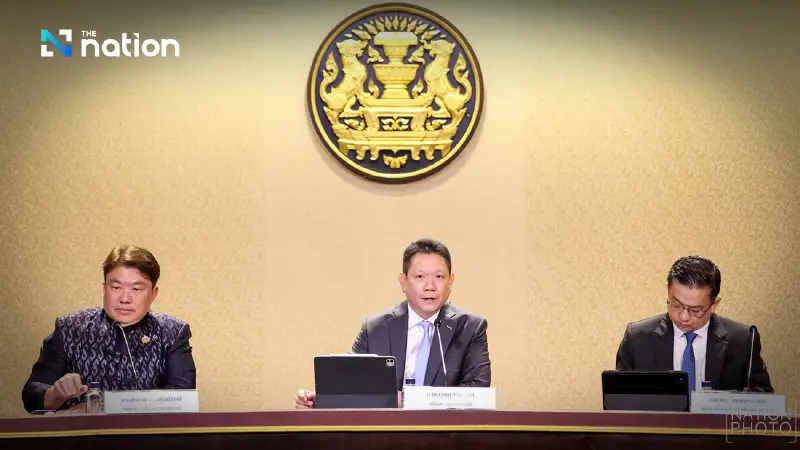


Thailand’s Cabinet approves five domestic tourism measures to lift Q4 GDP by 0.04%, aiming to spur year-end spending and support economic recovery

Lavaron Sangsnit, Permanent Secretary for Finance, announced on October 21 that the Cabinet, chaired by Prime Minister and Interior Minister Anutin Charnvirakul, approved five domestic tourism stimulus measures proposed by the Ministry of Finance.
The package aims to boost the economy during the final quarter of 2025, with an expected 0.04% increase in GDP and an estimated 5 billion baht in forgone tax revenue.
Lavaron said the measures are designed to stimulate spending ahead of the tourism high season, adding that “while the monetary scale isn’t large, the positive atmosphere and spending momentum will help sustain the economy.”
The five approved measures
1. Personal income tax deduction for domestic tourism
Individuals will be eligible for a tax deduction of up to 20,000 baht for travel expenses within Thailand. The first 10,000 baht applies to both paper and e-tax invoices, while the second 10,000 baht must be supported by e-tax invoices only.
Travel in major tourist provinces qualifies for a single deduction, while trips to secondary cities receive a 1.5-times deduction.
The scheme runs from October 29 to December 15, 2025, and can be combined with the government’s Let’s Go Halves Plus co-payment programme.
2. Corporate tax deductions for domestic seminars and training
Registered companies and partnerships can deduct double expenses for costs related to seminars and training within Thailand, including accommodation, transport, and tour services.
If held in secondary tourism provinces, expenses can be deducted 1.5 times the actual amount. Payments must be made to VAT-registered businesses with full e-tax invoices, except for transport costs, which can be paid to non-VAT operators with e-receipts. The scheme applies from October 29 to December 15, 2025.
3. Accelerated disbursement of government training and seminar budgets
Government agencies, state enterprises, and local administrative organisations must disburse at least 60% of their 2026 fiscal training and seminar budgets between October 2025 and January 31, 2026.
Priority should be given to secondary tourism provinces to encourage local travel.
4. Tax incentives for hotel renovation
Hotels operated by companies or partnerships can deduct double the actual cost of improvements, extensions, or upgrades to hotel-related assets (excluding regular repairs).
The first deduction covers depreciation as usual, and the second can be amortised evenly over 20 accounting periods.
The eligible period runs from October 29, 2025 to March 31, 2026, and applies to permanent buildings and fixed furnishings used in hotel operations.
5. Extension of excise tax reduction for entertainment venues
The excise tax on entertainment and leisure businesses (category 17.01) such as nightclubs, discotheques, pubs, bars, and cocktail lounges will remain reduced from 10% to 5% for another year, effective January 1 to December 31, 2026.
The Excise Department, in coordination with the Department of Provincial Administration, will continue registering entertainment businesses to broaden the excise tax base.
Lavaron added that these measures will not only stimulate spending during the upcoming festive season but also support tourism recovery, hospitality investment, and domestic travel, helping sustain overall economic momentum into 2026.
